
Restoration checker without a spare socket
You check restored recordings through an existing headphone output and don’t want headphones that you need to charge. Check the connection and whether your source delivers enough volume.


If you have few spare sockets, passive wired headphones are a sensible option, provided your audio source has a suitable headphone output and delivers enough volume. Choose an open-back model for a quiet room, or a closed-back model if background noise gets in the way of your listening. The models mentioned have not been specifically validated for archive restoration, so check your source, connection and fit before making a choice.
You check restored recordings through an existing headphone output and don’t want headphones that you need to charge. Check the connection and whether your source delivers enough volume.
You compare edits or recordings and can accept some sound leakage from an open-back model. Even so, it’s important to make sure the headphones work well with your audio source.
You mainly want to hear less background noise, and you also consider fit during longer sessions. A closed-back model may suit your needs, but how well it blocks sound also depends on how it fits your ears.
Start with the headphone output and your listening space. Then decide whether noise isolation, critical comparison or wearing comfort matters most to you.
| What to consider | What should you check? | Who is this important for? |
|---|---|---|
| No extra power supply | Check the plug, any adapter and the volume on your own source. The headphones may be passively wired, while the source itself still needs power. | If I don’t have a spare socket, I want to use my existing audio output without having to charge the headphones. Around 37% of consumers prioritise a solution that needs no extra power supply. |
| Making critical comparisons | Compare familiar excerpts using the same source and listening level. The Sennheiser HD 560S has a stated impedance of 120 Ω; Sonarworks warns that some laptop outputs may not deliver enough volume, particularly when using calibration software. | When I compare different versions of a restoration, I want to assess the differences carefully and not treat manufacturers’ claims as test results. Around 27% of consumers put critical comparison first. |
| Background noise | Check whether the exact version is closed-back and try on the earcups. Passive isolation is not the same as active noise cancellation. | If noise from a shared space interferes with my listening, I want to try a closed-back model and see how well it fits. Around 18% of consumers prioritise blocking out background noise. |
| Wearing comfort and parts | Try the model during a representative listening session and check which parts can be replaced on the exact version. The manufacturer lists replaceable ear pads for the DT 770 PRO and detachable cables for models including the ATH-M50x and DT 770 PRO X. | If I have longer checking sessions, I want to know whether the fit works for me and which wear-and-tear parts I can replace. Around 18% of consumers make wearing comfort and maintenance their top priority. |
The Sennheiser HD 560S has a stated impedance of 120 Ω. Sonarworks reports limited volume from some laptop outputs, particularly when used with calibration software; adding an amplifier may mean you still need a separately powered device.
Test the exact headphones with your own source and usual set-up before relying on them to deliver enough volume.
A brand description doesn’t prove that a model is suitable for critically assessing every restored recording. Independent listening reviews may also give a different impression from the use you have in mind.
Compare familiar excerpts yourself, and keep manufacturers’ claims, independent reviews and your own listening goals separate.
An open-back model lets in background noise; the closed-back models reviewed are intended for a different balance when it comes to noise in the room. Fit can also affect how well a closed-back model seals around your ears.
Choose based on your listening space, then check compatibility with your source and the fit.
The open-back, passively wired HD 560S is an option to compare in a quiet room.
The closed-back DT 770 PRO and DT 770 PRO X have different versions and features.
The closed-back, foldable K371 is a passively wired option for anyone looking to combine noise isolation with portability.
The closed-back ATH-M50x is a wired option with interchangeable cables.
According to Sony, the foldable MDR-7506 is designed for uses including studio and broadcast work.
The Joybuy products below include wired headsets and earbuds. They are not confirmed studio headphones for archive restoration, so check the type, connection and fit for your needs.
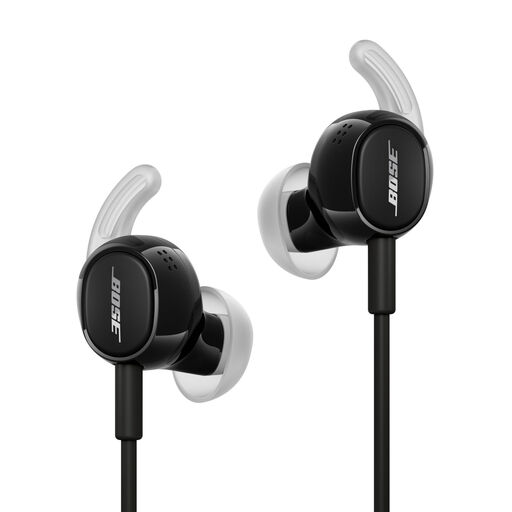 No image available
Wired USB-C earbuds; the product description says they don’t need charging.
The description mentions several ear tip sizes and stability wings. These are earbuds, not over-ear headphones.
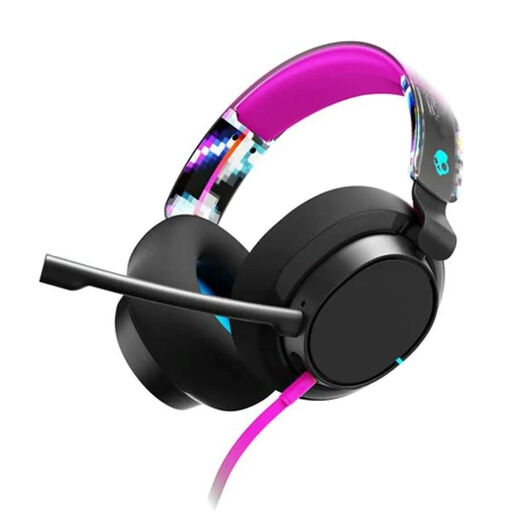 No image available
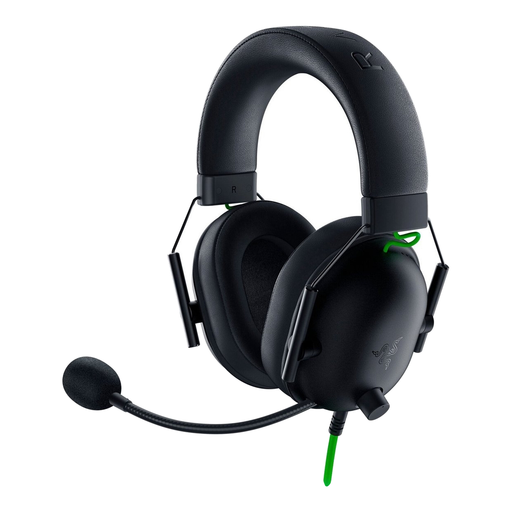
A wired over-ear gaming headset to consider if you’re looking for a headset-style option for listening.
The product description mentions USB-C and 3.5 mm connections, memory foam ear cushions, and volume and microphone controls.
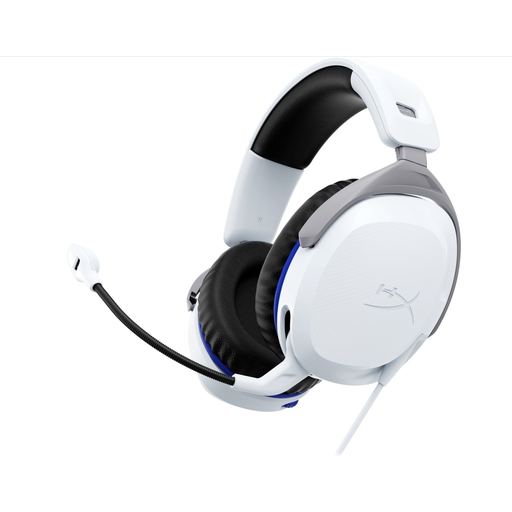 No image available
This wired headset may be worth considering if your audio source has a 3.5 mm connection.
The product description mentions closed-back earcups, memory foam ear cushions and a weight of 275 g.
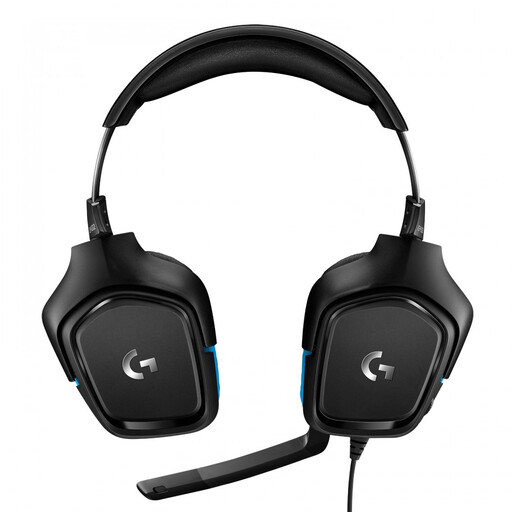 No image available
A wired headset with both a 3.5 mm connection and a USB DAC, according to the product description; check which connection suits your source.
The description mentions rotating earcups and ear cushions.
 No image available
The product description mentions an analogue 3.5 mm connection and passive noise isolation.
It also mentions memory foam ear cushions and a weight of 240 g.
Not for the headphones themselves, as long as you have a suitable headphone output. The audio source may still need power; also check that it delivers enough volume.
Check the fit during a representative listening session and see which parts can be replaced on the exact model. The manufacturer lists replaceable ear pads for the DT 770 PRO and a detachable mini-XLR cable for the DT 770 PRO X.
For a consumer purchase in the Netherlands, the product must meet the expectations you’re entitled to have of it; if there’s a fault, you should contact the seller. The Dutch government states that there is no fixed statutory warranty period in the Netherlands. For distance purchases from a business, you also have a 14-day cooling-off period in many cases; terms and exceptions may apply.
No, that doesn’t follow from the ‘studio’ label or a closed-back design. Arboportaal states that employers must provide hearing protection when daily noise exposure exceeds 80 dB(A). That limit doesn’t tell you what the noise exposure is in your listening space.