
Archive editor at a shared desk
Listens back to restorations with colleagues nearby and values a good seal and limited sound leakage. Focusrite describes closed-back headphones as useful for reducing sound leakage.


If you listen at a shared desk, start with a well-fitting, wired pair of closed-back studio headphones. They can help reduce background noise and sound leakage, but they won’t make everything completely silent or guarantee neutral sound. An open-back model is better suited to an additional check in a quiet, separate room. Assess restorations using familiar clips, and keep the volume in mind.
Listens back to restorations with colleagues nearby and values a good seal and limited sound leakage. Focusrite describes closed-back headphones as useful for reducing sound leakage.
Compares the original with the edited recording, listening for any remaining clicks, hum, hiss and unwanted processing artefacts. iZotope describes investigating audio problems using tools such as waveforms and spectrograms.
Reviews lots of clips in succession and considers fit, connectivity and replaceable wear parts. Check the exact model and how it feels during a representative listening session.
For a shared office, a well-fitting pair of closed-back headphones is a sensible place to start. Choose an open-back model mainly when you can listen in a quiet room without disturbing others.
Choose these if: you usually listen at a shared desk and want to reduce noise for yourself and your colleagues.
Bear in mind: fit and ear pads affect the seal; closed-back doesn’t mean complete silence.
Choose these if: you want to assess stereo width or ambience in a separate, quiet room.
Bear in mind: open-back models let sound through and do little to block office noise, according to RTINGS and Focusrite.
Choose this if: background noise bothers you while you listen.
Bear in mind: noise cancellation alone doesn’t prove that headphones reproduce restoration artefacts or tonal balance accurately.
| What to consider | What to check before buying | Who is this important for? |
|---|---|---|
| Seal and sound leakage | Try the ear cups with your usual glasses on; check the seal and, if possible, ask someone sitting next to you to listen. | If I work alongside colleagues, I want fewer distractions and as little audible leakage as possible; around 36% of consumers prioritise a good seal in the office. |
| Assessing artefacts | Compare familiar clips before and after editing at the same moderate volume; listen out for speech and quiet passages. | When listening back, I want to distinguish any remaining clicks, hum and unwanted processing artefacts; around 29% of consumers give checking for artefacts top priority. |
| Comfort during long sessions | Try the exact model during a representative listening session and check whether the ear pads can be replaced. | If I listen to lots of clips in succession, I want to avoid pressure points and an uncomfortable fit; around 21% of consumers prioritise comfort during extended wear. |
| Connectivity and maintenance | Check your device’s output, the plug or adapter you need, and the replacement parts available for the exact model. | When using my computer or audio interface, I want the right connection and replaceable parts; around 14% of consumers prioritise connectivity and maintenance. |
Impedance alone doesn’t determine whether headphones will reach a useful volume with your device. The output, recording and listening environment also matter. Focusrite explains these factors when choosing headphones.
Sound leakage and how much office noise you notice depend partly on fit and volume. The product name alone doesn’t tell you how well a model seals around your ears at your desk.
Check the fit and listen at a moderate volume. If possible, ask a colleague nearby whether they can hear what you’re listening to.
A specification or manufacturer claim alone won’t tell you how well you’ll be able to pick out subtle faults or unwanted processing artefacts in a recording.
Compare familiar clips before and after editing, and use the waveform and spectrogram where appropriate.
Whether you’re buying for personal use or mainly for business can affect the consumer protection you can rely on. ACM ConsuWijzer explains the distinction.
Before placing an order, check who you’re buying on behalf of and which terms apply to the purchase.
The closed-back HD 480 PRO is a wired option for shared workspaces, while the open-back HD 490 PRO is better suited to quieter listening rooms.
The closed-back, foldable K371 is designed for wired listening and comes with three detachable cables.
According to the manufacturer, the closed-back DT 770 PRO X has a detachable mini-XLR cable and a nominal impedance of 48 ohms.
The closed-back ATH-M50x is foldable, with swivelling ear cups and three interchangeable cables.
The closed-back SRH840A is designed for wired studio listening and has a locking, detachable cable.
This Joybuy selection features over-ear headphones with active noise cancellation for listening in shared spaces. Noise cancellation can reduce background noise, but it’s no substitute for assessing restorations using familiar clips.
 No image available
Could suit anyone looking for active noise cancellation and the option to listen using a wired connection.
The product description lists a supplied 3,5mm cable, passive use without a battery and EQ settings in an app.
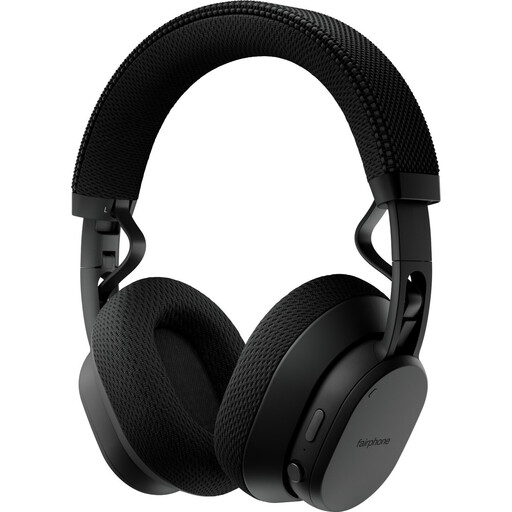 No image available
Could suit anyone looking for a closed-back over-ear design with hybrid active noise cancellation for a shared space.
The product description lists nine replaceable parts, including the battery, ear pads and speaker units. Parts can be replaced using a screwdriver.
 No image available
Could suit anyone looking for closed-back over-ear headphones with active noise cancellation and a wired listening option.
The product description lists Bluetooth 5.3 and a supplied audio cable.
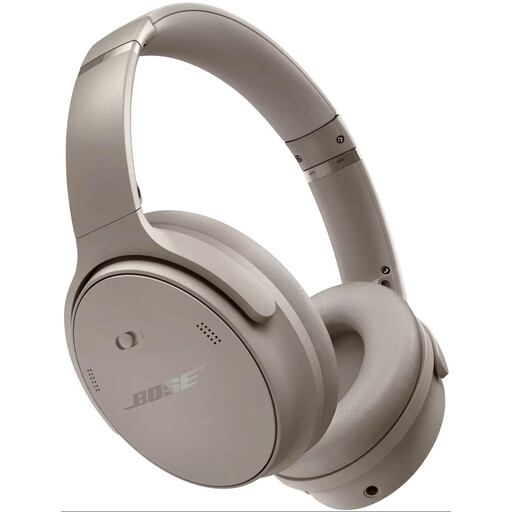 No image available
Could suit anyone who wants to switch between active noise cancellation and transparency mode while listening.
The product description lists Bluetooth and controls for noise-cancelling and transparency modes.
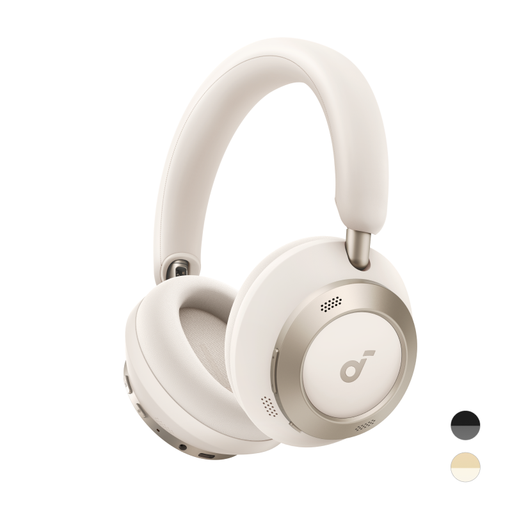 No image available
Could suit anyone looking for adaptive active noise cancellation for listening in a shared workspace.
The product description lists six microphones, LDAC, a foldable design and memory foam ear cups.
Yes, if you can listen in a quiet room where sound leakage won’t disturb anyone. For a shared desk, a well-fitting closed-back model is usually more practical.
No. Check the output and the plug or supplied adapter for the exact model. Whether the combination reaches a useful volume also depends on the interface, recording and listening environment; impedance alone won’t give you a definitive answer.
Check whether suitable replacement parts are available for your exact model. AKG lists replaceable ear pads for the K371, and beyerdynamic lists a detachable cable for the DT 770 PRO X. After replacing parts, check the fit and seal again.
Online consumer purchases generally come with a 14-day cooling-off period after delivery, although exceptions may apply, according to ACM ConsuWijzer. You’re also entitled to a legal guarantee if a product doesn’t do what you could reasonably expect when used normally. If you’re buying mainly or exclusively for business, don’t assume the same consumer protections automatically apply.
CE marking is only required when the applicable harmonised EU rules specify it for that particular product; the product type alone doesn’t tell you whether a specific model needs it. Dutch workplace noise rules relate to assessed daily exposure: above a daily dose of 80 dB(A), the employer must make hearing protection available, according to Arboportaal. That doesn’t automatically make ordinary studio headphones hearing protection.