If you mainly edit existing guitar recordings in a quiet room, open-back studio headphones may suit critical listening. If you record with a microphone or want to block out more background noise, start with a closed-back model. Semi-open headphones are another option to compare, but they don’t guarantee that sound won’t leak into a microphone recording. Also check the connection and whether your computer or audio interface can drive the headphones properly.
Who is this guide for?
Guitarist who also records
You edit takes and sometimes listen along while a microphone records your acoustic guitar. It’s worth considering whether sound from your headphones could end up in the recording; Focusrite identifies closed-back headphones as a useful option for this.
Student who mainly edits
You mostly work on existing tracks and can choose headphones for critical listening and comfort in a quiet room. An open-back design may be worth considering in this situation, as long as sound leakage isn’t a problem.
Student in a shared room
You need to take background noise into account, as well as other people being able to hear what you’re listening to. So consider both the design and how the earcups fit; a closed-back design won’t necessarily seal well for every wearer.
What should you look for?
First decide whether you’ll listen along while recording with a microphone or only edit existing tracks. This will help you choose between a closed-back, open-back or semi-open design.
Closed-back
Best for: recording with a microphone in the same room, or listening when there’s background noise.
Bear in mind: fit and seal; isolation depends partly on how the earcups fit.
Open-back
Best for: mainly editing existing takes in a quiet room, when sound leakage isn’t an issue.
Bear in mind: open-back earcups let sound through, so they aren’t an obvious choice for microphone recording.
Semi-open
Best for: mainly editing, if you want to compare a semi-open design with closed-back and open-back models.
Bear in mind: semi-open doesn’t mean there’ll be no microphone leakage; consider your recording and listening setup.
| What to consider |
What should you look for? |
Who is this important for? |
| Sound leakage when recording |
Choose a closed-back design if you listen along while recording with a microphone; also check how the earcups fit. |
When I listen along during a take with a microphone, I want to avoid headphone sound getting into the guitar recording. Around 33% of consumers say preventing recording leakage is their top priority. |
| Assessing detail |
Open-back headphones are an option for editing in a quiet room, but they let sound through. If needed, compare what you hear with a familiar second listening system. |
When editing existing takes, I want to assess small details without treating a marketing description as a guarantee of quality. Around 27% of consumers prioritise critical editing. |
| Listening in a shared room |
Compare closed-back models and check the fit; don’t automatically turn up the volume to drown out background noise. |
If there are other people in the room or background noise distracts me, I want to find a suitable way to listen without constantly turning up the volume. Around 20% of consumers say room isolation is their top priority. |
| Fit and connection |
Check the plug, any adapter you may need, cable routing and replaceable parts. Impedance alone doesn’t determine how loud your equipment can play. |
For longer editing sessions, I want headphones that feel comfortable and connect to my computer or interface. Around 20% of consumers prioritise long-term comfort and connectivity. |
Common buying mistakes
-
Choosing open-back headphones for both editing and microphone recording
Open-back headphones let sound through. During a recording, the microphone may pick it up.
Before you buy, decide whether you’ll only edit existing tracks or also record with a microphone.
If headphone sound gets into a take, you may need to record it again.
-
Assuming impedance alone determines compatibility
Whether headphones reach your preferred volume also depends on their sensitivity, the output and the source material.
Compare the exact model variant and plug with your computer or audio interface specifications. Check whether you need a suitable adapter.
-
Confusing the manufacturer’s warranty with all your statutory rights
According to ACM ConsuWijzer, your statutory guarantee is separate from any retailer’s or manufacturer’s warranty.
Keep your proof of purchase and contact the retailer if a product breaks too soon under normal use.
Brands to compare
beyerdynamic
The DT 770 PRO 80 ohm is a closed-back model for recording and monitoring; the open-back DT 900 PRO X is designed for those who mainly mix or listen critically.
- According to the official product specifications, the DT 770 PRO 80 ohm has replaceable ear pads.
- The open-back DT 900 PRO X isn’t automatically suitable for listening along next to a guitar microphone. These features don’t necessarily apply to other impedance versions or the brand’s entire range.
Audio-Technica
Audio-Technica positions the closed-back ATH-M40x for studio tracking and mixing.
- The official specifications list detachable cables, an around-ear design and an impedance of 35 ohms.
- ‘Flat tuning’ is the manufacturer’s description, not an independent guarantee that a guitar mix will translate well without further checks.
AKG
The K240 Studio is a semi-open option to consider if you mainly edit.
- AKG lists a detachable cable, replaceable ear pads and an impedance of 55 ohms.
- A semi-open design doesn’t guarantee that there’ll be no microphone leakage.
Sennheiser
The open-back HD 490 PRO is designed for production and mixing when sound leakage is acceptable.
- According to Sennheiser, two interchangeable sets of ear pads are included, designed for producing or mixing.
- Descriptions of precision and comfort are manufacturer claims. An open-back model isn’t automatically suitable for microphone recording.
Sony
Sony positions the MDR-7506 for recording and studio use.
- The Dutch product information lists a 3-metre cable and a weight of 230 grams.
- Whether the cable length is practical in a small workspace depends on your setup. Sony’s description of reference quality isn’t an independent comparison with the other models.
Headphones at Joybuy
These Joybuy product picks are headphones for listening to guitar tracks. For each model, check that wired use, the design and the connection suit your recording and editing setup; being listed here doesn’t automatically make a pair of headphones a studio monitor model.
 No image available
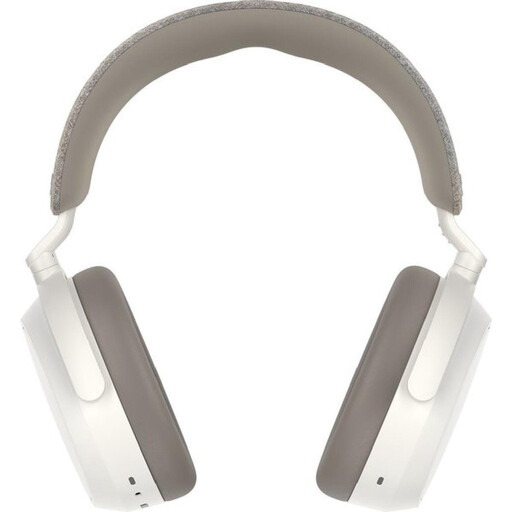
Sennheiser MOMENTUM 4 Wireless, white
The product description mentions wired listening via a 3.5mm audio cable and passive use—features worth checking if you want to listen to guitar tracks through a cable.
The product information also mentions noise cancellation and an app with EQ settings.
View at Joybuy
 No image available
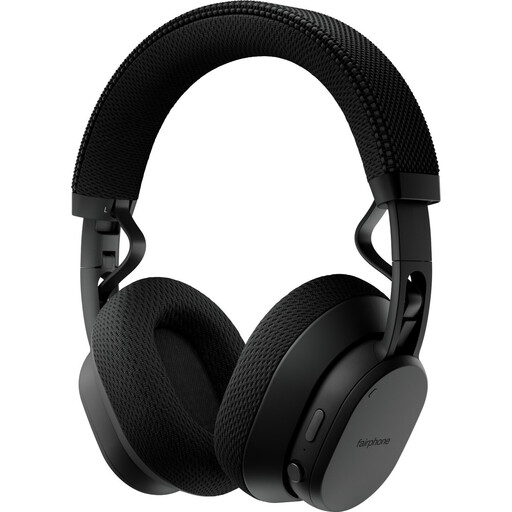
Fairphone Fairbuds XL 2025, black
The product description mentions a closed-back design, which is worth considering if you want to use the headphones while recording guitar with a microphone.
The description mentions replaceable parts, including the ear pads. Check that the model and connection are compatible with your equipment.
View at Joybuy
 No image available
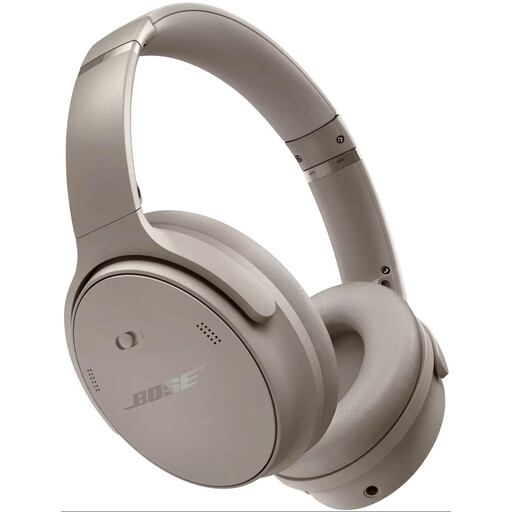
Bose QuietComfort Headphones, Sandstone
The product information mentions an over-ear design and active noise cancellation. This may be useful if background noise distracts you; also check the connection for your recording equipment.
View at Joybuy
 No image available
Bose QuietComfort Ultra Headphones, second generation, black
The product information mentions active noise cancellation and a detachable cable with a 3.5mm connection. Check that the connection is compatible with your computer or audio interface.
The product description mentions magnets and advises consulting a doctor if you have a medical implant.
View at Joybuy
Frequently asked questions
Can I use open-back headphones while recording acoustic guitar with a microphone?
If you’re listening along next to a microphone, closed-back headphones may help reduce leakage into the recording. Open-back models are better suited to editing existing takes in a quiet room, when sound leakage isn’t an issue.
Will any studio headphones work with my laptop or audio interface?
No. First check the plug and whether a suitable adapter is included. According to Focusrite, the volume you can achieve and suitability depend on more than impedance alone; sensitivity and source material also play a part.
How can I make longer editing sessions comfortable and safe?
Check the fit and see whether the ear pads or cable can be replaced. Keep the volume at a sensible level and take breaks; according to the World Health Organization, the risks of loud sound depend on its volume and the duration and frequency of exposure.
Do online purchases in the Netherlands come with a cooling-off period and a guarantee?
According to ACM ConsuWijzer, online purchases generally come with a statutory cooling-off period of up to 14 days after delivery; check which exceptions and returns terms apply to your purchase. You’re also entitled to a product that meets the standard you could reasonably expect under normal use: the statutory guarantee isn’t automatically limited to the duration of a manufacturer’s warranty.


