
Editor at a shared desk
Edits guitar tracks close to other people and wants to reduce both background noise and sound leakage.


For editing acoustic guitar tracks at a shared desk, closed-back over-ear headphones are usually the best first option. Consider both sound leaking out and background noise masking quieter passages. Choose a wired model that works with your equipment, and check how it fits in your own workspace. Open-back headphones are best used as an additional reference when you’re working in a quiet room where sound leakage won’t be a problem.
Edits guitar tracks close to other people and wants to reduce both background noise and sound leakage.
Checks tone and stereo placement carefully, and can use a quiet, private room when an open-back reference is needed.
Moves headphones between a desk and a recording space, so fit, cable and connection all matter.
Choose this option: if you work close to other people, want to reduce background noise or record while monitoring through a microphone.
Bear in mind: the seal varies depending on the fit. Check it in your workspace and, where possible, assess important mix decisions on a second listening system too.
Choose this option: if you want to listen critically to your mix in a quiet room where sound leakage won’t disturb anyone else.
Bear in mind: an open-back design lets sound in and out more easily. That may not be suitable at a shared desk or when recording with a microphone.
| What to consider | What should you check? | Who should pay extra attention? |
|---|---|---|
| Isolation and sound leakage | Check the design and fit. At a sensible volume, listen to a quiet passage in your workspace and, if possible, ask someone next to you whether they can hear the playback. | If colleagues sit nearby, you’ll want to hear quiet guitar passages without turning up the volume, while keeping playback from leaking out. Around 36% of consumers give reducing background noise and sound leakage their highest priority. |
| Checking your guitar edits | Listen to quiet passages and edit points using your own material. If possible, compare important mix decisions on a second listening system. | If you want to assess subtle differences in a guitar track, it helps to listen in a suitable room and consider how the design affects sound leakage. Around 29% of consumers prioritise checking their edits. |
| Comfort | Consider the space around your ears, pressure from the headband, warmth and whether suitable replacement ear pads are available. | If you have longer editing sessions, you’ll want the ear pads and headband to feel comfortable. Comfort is the top priority for around 21% of consumers. |
| Cables and connections | Check your device’s output, the cable routing and which cables or adapters come with the exact version. | If you work in different places, you’ll want the cable to reach your audio output without getting in the way. Around 14% of consumers give connection flexibility their highest priority. |
An open-back design lets sound out more easily and background noise in more easily. Both can be significant drawbacks at a shared desk.
First, think about where you’ll actually be listening. Choose an open-back model only if the room and the people around you make it suitable.
The specifications for the beyerdynamic DT 770 PRO 80 Ohms apply to that specific impedance version. Check the full model name before assessing whether it will work with your headphone output.
Compare the stated impedance of the version on offer with the output you plan to use.
A cable may get in the way at a shared desk or may not reach the connection you use.
Plan the cable route from your audio output and check which cables and adapters come with the exact version.
The closed-back DT 770 PRO 80 Ohms is a specific option for monitoring at a shared desk. Make sure you choose the correct impedance version.
The closed-back ATH-M50x may be worth considering if you want to swap cables between different workspaces.
The closed-back, foldable K371 is an option to look at if you move your headphones between workspaces.
The open-back HD 490 PRO is an additional option for critical listening to a mix away from a busy shared desk.
These Joybuy headphones are relevant to listening at a shared desk. For each model, check that its wired connection and intended use suit your audio output and your approach to editing guitar tracks.
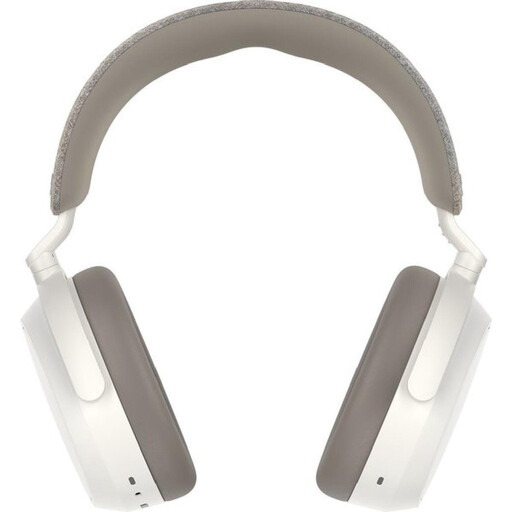 No image available
May suit anyone looking for both wireless and wired listening. Check that the connection works with your audio output.
Over-ear; noise cancelling; 60-hour battery life; 4 microphones.
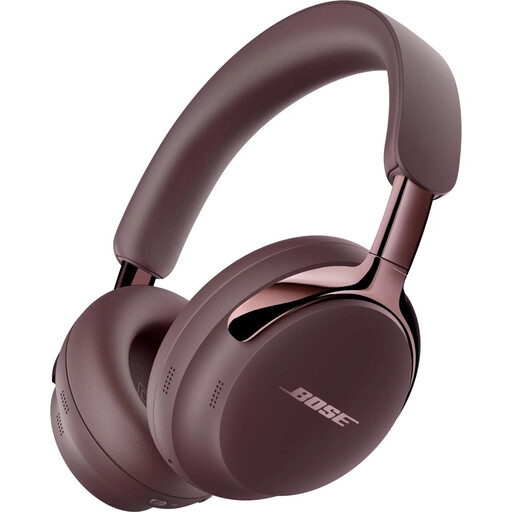 No image available
If you’re considering this model for editing guitar tracks, check that the wired connection and controls suit your audio output and workflow.
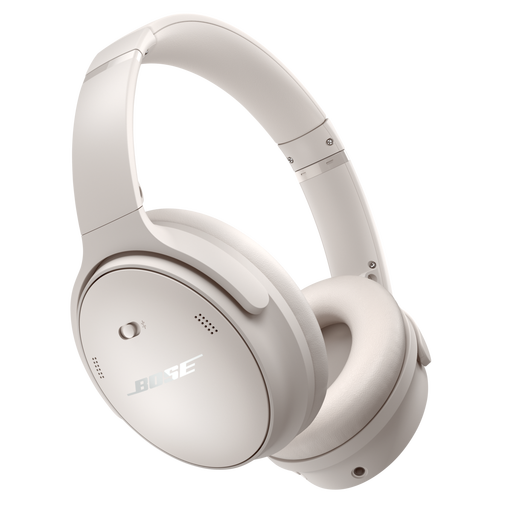 No image available
May suit anyone looking for closed-back over-ear headphones with a wired listening option. Check that the connections work with your equipment.
Wireless Bluetooth headphones; noise cancelling.
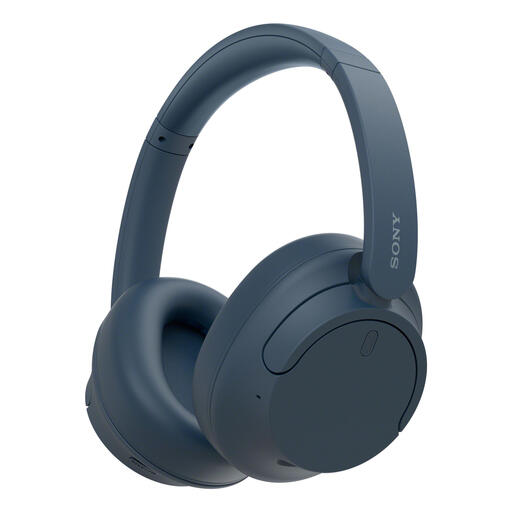 No image available
If you’re considering noise cancelling for a shared desk, check the fit too, and make sure the headphones can be used with your audio output via a wired connection.
Wireless Bluetooth headphones; noise cancelling; up to 35 hours of battery life.
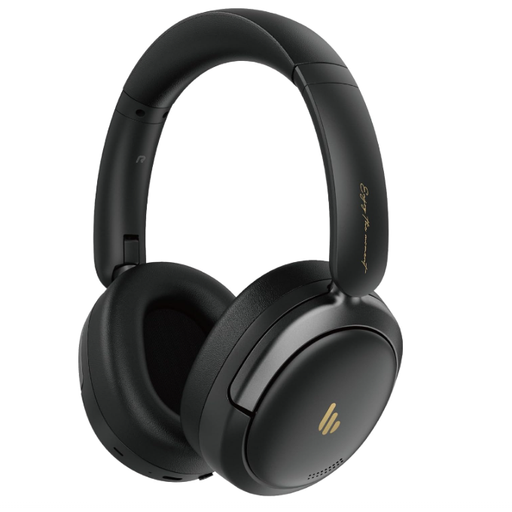 No image available
May be worth considering if you’re looking for foldable over-ear headphones. Check that the wired USB-C connection works with your audio interface.
Hybrid active noise cancelling; Hi-Res Audio; Bluetooth 5.4; 45-hour playback time.
Yes, if the room is quiet enough and sound leakage won’t disturb anyone else. Otherwise, a closed-back design is a more sensible choice. Check the fit and how much sound leaks in your own workspace.
First, check your device’s output and the cables supplied with the exact version. Audio-Technica lists three detachable cables and a 6.3mm adapter for the ATH-M50x; AKG also lists three detachable cables for the K371.
According to the Dutch government, online distance purchases from a business usually come with a 14-day cooling-off period. This does not automatically apply to purchases from a private seller. The cooling-off period is separate from your rights if a product is faulty, and a seller’s voluntary returns policy is not the same as a legal right. Before ordering, check which terms and any exceptions apply to your purchase.
Don’t assume they do. Arboportaal warns that excessive sound levels in the ear canal can cause hearing damage, even if the sound seems pleasant. Keep the listening volume at a sensible level.