
Student who uses fresh herbs
You want to keep opened herbs and everyday groceries chilled. A practical layout and control over the fridge temperature are important.


Start by measuring the space available, then choose a fridge where you can store herbs and other perishable groceries conveniently. Check the actual temperature with a thermometer and set the fridge to 4 °C. A model with a freezer compartment is most useful if you want to freeze herbs or other food, but check whether the compartment can reach the temperature you need. Also compare fridge capacity, annual energy consumption and the stated noise level.
You want to keep opened herbs and everyday groceries chilled. A practical layout and control over the fridge temperature are important.
You need a fridge that fits in a small kitchen or room, so you compare its external dimensions, usable capacity and stated noise level.
You may want to freeze leftover herbs, so you need to consider whether the built-in freezer compartment has enough space for what you want to store.
First, measure the space available and decide how much chilled food you want to store. Then consider whether you need a freezer compartment. For models that fit, compare energy consumption and noise levels too.
| What to consider | What to look for | Who should consider this? |
|---|---|---|
| Herbs and perishable groceries | Check the temperature with a fridge thermometer and see whether you can store herbs appropriately. The Netherlands Nutrition Centre recommends setting your fridge to 4 °C and provides storage advice for individual herbs. | I want to keep herbs and everyday groceries properly chilled and easy to find; around 33% of consumers prioritise refrigeration and herb storage. |
| Size and fridge space | Measure the space and allow room for the door to open. Compare the external dimensions and usable fridge capacity, not just the total capacity. | I have limited space but want room for everyday groceries as well as herbs; around 27% of consumers prioritise a suitable size and usable fridge space. |
| With or without a freezer compartment | Consider whether you already have access to a freezer. Check the freezer capacity and whether the compartment can reach the storage temperature you need. | I want to be able to freeze herbs or other food without a separate freezer; around 20% of consumers prioritise freezer space. |
| Energy consumption and noise | Compare the annual consumption in kWh and stated noise level of models in a suitable size. Your own electricity rate will help you compare running costs. | I want to take electricity consumption into account and consider noise if the fridge will be near where I live or sleep; around 20% of consumers prioritise running costs and noise. |
A drawer and storage advice address different needs. The right temperature and storage method for each herb still matter. A manufacturer's claim about a freshness feature is not an independent comparison of how long herbs keep.
Check the fridge temperature and follow the storage advice for the specific herb. The Netherlands Nutrition Centre recommends setting your fridge to 4 °C.
Not every built-in freezer compartment can be set to the recommended −18 °C. A freezer compartment also takes up space that could otherwise be used for chilled groceries.
Check the compartment specifications and consider whether you really need a freezer in this appliance. According to the Netherlands Nutrition Centre, freezer compartments with one or two stars cannot be set to −18 °C.
The rating on its own does not tell you how much electricity a specific model uses each year. A fridge that is the wrong size for your needs is not a useful basis for comparison either.
Compare suitable models by their annual consumption in kWh and use your own electricity rate to estimate the cost. The European Union uses an A to G label scale for fridges.
Inventum offers table-top models with and without a freezer compartment, including the KK550.
Tomado offers compact table-top models with a freezer compartment, including the TRT4702B.
The KTR15NWEB is a table-top model without a built-in freezer compartment.
Liebherr offers table-top models such as the Rci 1620 Plus, featuring a drawer the manufacturer calls EasyFresh.
The TS190340N is a table-top model with a stated width of 47,5 cm according to Beko.
These models offer compact fridge space for fresh herbs and everyday groceries, with options ranging from a fridge without a freezer compartment to a table-top model with one.
 No image available
A compact fridge for herbs and everyday groceries, with a salad drawer.
88 litres of fridge space; three adjustable glass shelves and three door compartments. No freezer compartment.
 No image available
A table-top model for anyone who wants chilled groceries and a freezer compartment in one appliance.
95 litres of fridge space with a salad drawer and 14 litres of freezer space. Stated annual consumption: 89 kWh.
 No image available
A table-top model with a salad drawer for storing herbs and everyday groceries in the fridge.
129 litres of capacity; two glass shelves and adjustable temperature control. Stated dimensions: 54 × 54 × 88 cm.
 No image available
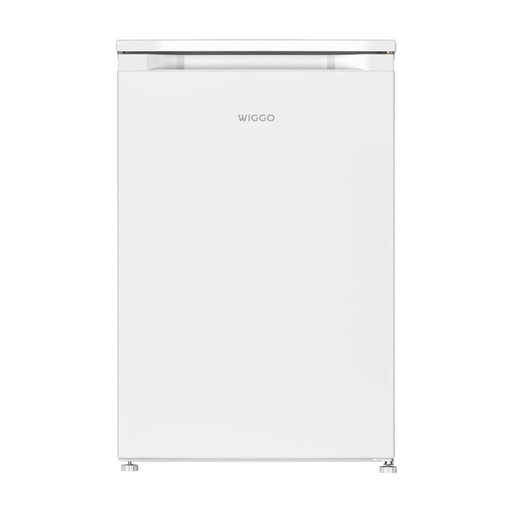
A table-top model with a salad drawer for fresh herbs and other chilled groceries.
107 litres of capacity and a reversible door. Stated dimensions: 54,9 × 54,9 × 84,5 cm.
 No image available
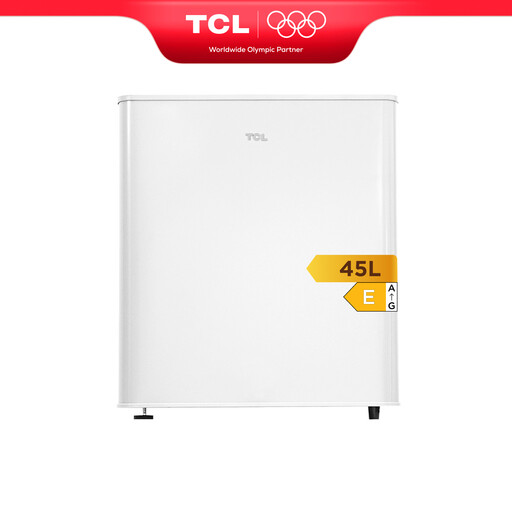
A compact option for small amounts of herbs and groceries; check that its limited fridge space suits your needs.
42 litres of fridge space within a total capacity of 45 litres, with a separate freezer compartment. The stated temperature range for the freezer compartment is 5 to −5 °C; this is not suitable for the −18 °C recommended by the Netherlands Nutrition Centre.
Stated dimensions: 449 × 485 × 512 mm.
The Netherlands Nutrition Centre recommends a fridge temperature of 4 °C. Place a fridge thermometer in the middle of the bottom shelf and check the temperature after leaving it there for half a day or overnight. Adjust the fridge if needed.
The Netherlands Nutrition Centre recommends wrapping leftover herbs in damp kitchen roll and storing them at the bottom of the fridge. You can also freeze chopped herbs in a sealed container; check the advice for the specific herb and follow the label instructions for sealed packaging.
No, not every freezer compartment is suitable. According to the Netherlands Nutrition Centre, compartments with one or two stars cannot be set to −18 °C, so check the specifications if you need that storage temperature.
Compare the annual consumption in kWh for the specific models and multiply it by your own price per kWh. Use the same tariff basis and period for both models; actual consumption also depends on how the fridge is used and positioned.
The European Union uses an A to G label scale for fridges. Labels with plus signs have not been used for this product category since 2021; compare the stated annual consumption in kWh as well as the letter rating.