
Fans of a sweet treat
If you’d like to serve a syrup-filled biscuit with coffee or tea, a classic stroopwafel could be just the thing. PLUS also suggests warming the Daelmans version over a hot drink.


A classic stroopwafel is a good choice for serving with coffee or tea when you fancy a syrup filling; choose a digestive biscuit if you’d rather serve a crisp wheat biscuit. Then pick a pack size to suit and, if anyone has dietary requirements, check the label on the specific product: even a gluten-free stroopwafel may contain other allergens.
If you’d like to serve a syrup-filled biscuit with coffee or tea, a classic stroopwafel could be just the thing. PLUS also suggests warming the Daelmans version over a hot drink.
A digestive is a different kind of biscuit from a filled stroopwafel. If you’re mainly comparing nutritional information, start with the values per 100 g on the packaging; the PLUS Digestive we looked at contains wheat and gluten.
If someone avoids gluten or has an allergy, check the full allergen information on the packaging you choose. For example, the gluten-free PLUS stroopwafel we looked at contains egg and lupin.
First decide whether you’d like to serve filled stroopwafels or crisp biscuits. Then compare the nutritional information, allergens and quantity in each pack to make sure there’s enough for everyone.
| What to consider | What to check | Who it matters most to |
|---|---|---|
| Flavour and occasion | Choose between a syrup filling and a crisp biscuit; consider whether you’ll serve it with a hot drink or on a sharing platter. | If I want to serve a familiar syrup-filled biscuit with coffee or tea, the way it’s served matters most to me. Around 40% of consumers put flavour and occasion first. |
| Nutritional information and portion size | Compare the sugars and fibre per 100 g, and check how much each biscuit weighs. | I want to know how much sweetness I’m serving in each biscuit, even if the packs come in different sizes. For around 30% of consumers, comparing nutritional information and portion sizes comes first. |
| Gluten and other allergens | Read the latest allergen information; if you’re choosing a gluten-free option, check the other ingredients too. | If a guest needs to avoid certain ingredients, the biscuit you choose must meet their requirements. This is the main concern for around 20% of consumers. |
| Sharing and pack size | Compare the number of biscuits and their size with the number of guests and the other snacks on the table. | For a sharing platter, I want to serve enough biscuits without choosing an impractically large pack. For around 10% of consumers, pack size is the deciding factor. |
The name doesn’t tell you whether a biscuit is suitable for someone with dietary requirements. The PLUS Digestive we looked at contains wheat and gluten; the Voedingscentrum gives the average fibre content of a digestive biscuit as 0.5 g per 15 g biscuit.
Compare the ingredients and nutritional information on the specific pack rather than relying on the product name.
The gluten-free PLUS stroopwafel we looked at contains egg and lupin. So a gluten-free label doesn’t answer every question about allergens.
Check the full allergen information on the packaging against your guest’s requirements.
A bigger pack isn’t automatically more practical if you’re hosting only a few people or have other sweet treats on the table. Mini stroopwafels come in a different size from regular ones.
Check the number of biscuits and their size before deciding how many packs you need.
Ingredients and allergen information can change. If a guest needs to avoid something, the information must match the biscuits you actually serve.
Use product pages to help you decide, then check the label on the pack you receive before serving.
A brand to consider if you’re looking for a classic stroopwafel with a generous syrup filling.
A supermarket own brand to include when comparing regular stroopwafels and digestive biscuits.
A supermarket own brand with products in both biscuit categories, including a separate gluten-free stroopwafel.
A Lidl own brand to consider if you’d like to serve stroopwafels from a larger pack.
An ALDI own brand offering mini stroopwafels for anyone who’d like to put smaller biscuits on a sharing platter.
These products let you choose between syrup-filled stroopwafels, a plain digestive and chocolate digestives. Compare the pack sizes and, if you have dietary requirements, always check the packaging for the version you choose.
 Image unavailable
A good choice if you’d like to serve classic stroopwafels with drinks and nibbles. The pack contains 8 biscuits; check the allergen label if you have dietary requirements.
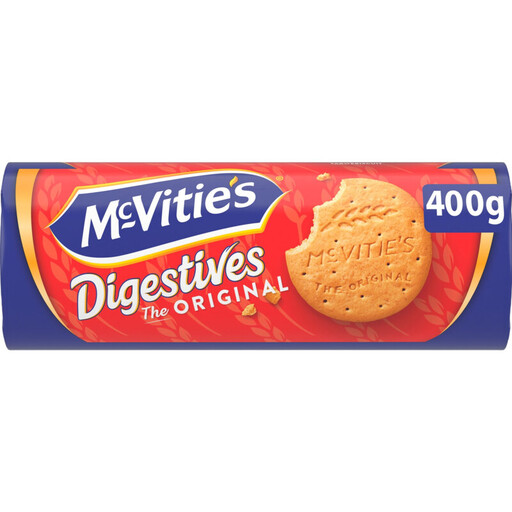 Image unavailable
For anyone who’d rather serve a plain digestive biscuit than a filled stroopwafel. The pack contains 400 g; check the label if gluten needs to be avoided.
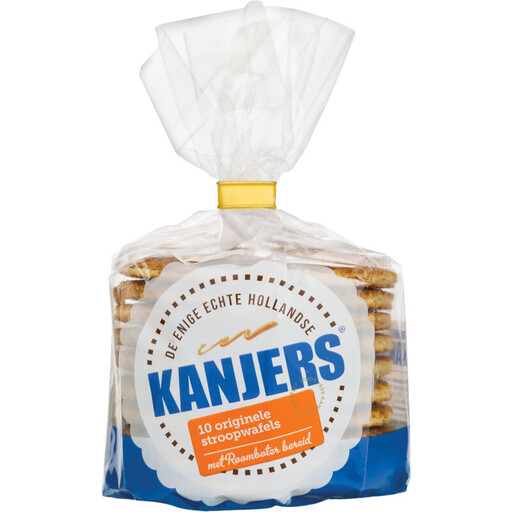 Image unavailable
A stroopwafel option for sharing with guests when you’d like to hand out several biscuits. The pack contains 10; read the allergen information before offering them to guests with dietary requirements.
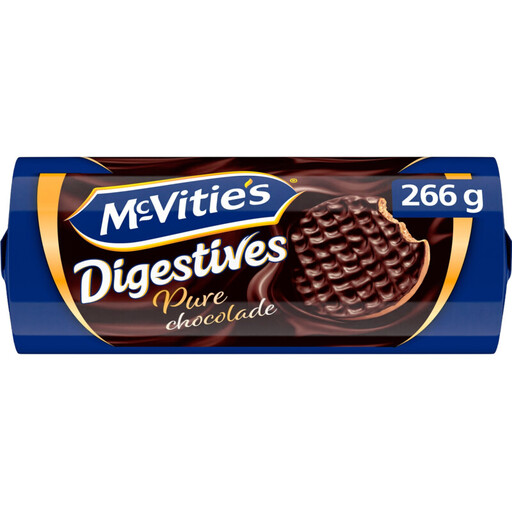 Image unavailable
For anyone who’d like to serve a digestive with a chocolate coating instead of the plain version. The pack contains 266 g; check the ingredients and allergens for this chocolate variety separately.
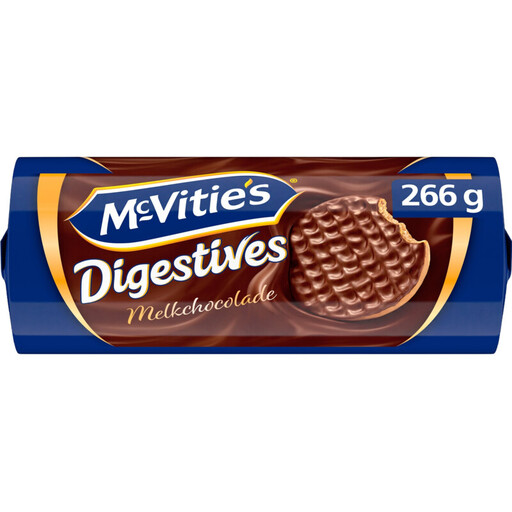 Image unavailable
A good option if you’d like to consider a milk chocolate variety alongside plain digestives. The pack contains 266 g; check the label if milk or other allergens are a concern.
Don’t assume they are: the regular Daelmans and PLUS stroopwafels we looked at contain wheat and gluten. If needed, choose a product explicitly labelled gluten-free and check the packaging for other allergens too.
No. Don’t treat the product name as a claim about digestion. Compare the ingredients and nutritional information for the specific biscuit you’re considering; the Voedingscentrum gives the average fibre content as 0.5 g per 15 g digestive biscuit.
Follow the storage instructions on the packaging you choose. For the PLUS Digestive we looked at, the advice is to store it in a cool, dry place; for the PLUS stroopwafels we looked at, keep them dry and away from light.
Check the label on the packaging. The Dutch Food and Consumer Product Safety Authority says allergen information must appear on the label of prepacked products; compare it with the ingredients your guest needs to avoid.