
If you want to serve biscuits with coffee or tea
A classic stroopwafel is a good fit for a planned treat. PLUS describes Daelmans Origineel as syrup filling between two thin waffles and suggests serving it on top of a hot drink.


If you want to serve a familiar treat with coffee or tea, classic stroopwafels are a good choice. Choose digestive biscuits if you’d rather offer biscuits whose fibre and other nutritional values you can compare. The name ‘digestive’ alone says nothing about whether they’re suitable for your guests. Check the allergens on the packaging for both options, including any special varieties.
A classic stroopwafel is a good fit for a planned treat. PLUS describes Daelmans Origineel as syrup filling between two thin waffles and suggests serving it on top of a hot drink.
The name ‘digestive’ shouldn’t be a deciding factor. Instead, look at fibre, sugars, saturated fat and the portion you plan to serve. The Voedingscentrum recommends checking the nutritional information on the label when making these choices.
If your guests need to avoid certain ingredients, choose based on the individual product, not just the type of biscuit. The Netherlands Food and Consumer Product Safety Authority stresses the importance of allergen information. Even a gluten-free stroopwafel may contain other allergens.
First decide whether you’re looking for a stroopwafel to serve with hot drinks, a biscuit to compare nutritional values or a product that meets a specific dietary need. Then choose a size that suits the occasion, and check the allergens on each pack individually.
| What to consider | What to check when buying | Who it matters to |
|---|---|---|
| Flavour and occasion | Choose between full-size and mini stroopwafels, and decide whether you’ll serve them with hot coffee or tea. | If I’m serving coffee or tea, I mainly want to offer a familiar stroopwafel as a treat. For around 37% of consumers, that serving experience is the deciding factor. |
| Nutritional values | Compare fibre, sugars, saturated fat and salt per 100 g; also consider the portion you plan to serve. | I don’t want to choose a biscuit based on its name alone. I want to know what the nutrition table says about the product I’ve chosen. Around 27% of consumers put this comparison first. |
| Allergens and dietary requirements | Read the allergen statement for the exact variety, including any warnings about cross-contamination. | If a guest needs to avoid certain ingredients, I need a product whose suitability I can check on the label. For around 18% of consumers, this is the top priority. |
| Portions and self-service | Compare the number of biscuits and pack weight, and follow the storage instructions for your chosen product. | For a platter that guests can help themselves to, I mainly want to plan how many biscuits to put out. Around 18% of consumers put ease of serving first. |
The name doesn’t tell you how much fibre, sugar, fat or salt a particular biscuit contains. The Voedingscentrum provides nutritional values for a digestive biscuit, but the product you buy may have a different composition.
Put the nutrition tables for your chosen biscuits and stroopwafels side by side and compare the same quantity, such as per 100 g.
Albert Heijn also lists egg and lupin in its gluten-free organic stroopwafels. So a gluten-free label doesn’t automatically answer every question about allergens.
Ask which ingredients your guests need to avoid, then read the allergen information on the specific pack.
A pack of full-size waffles and a bag of mini stroopwafels offer different ways to serve them, but size tells you nothing about allergens or nutritional values.
Plan the quantity and serving style separately from checking the label and storage instructions.
Ingredients and allergens can vary between flavours. Information for a classic stroopwafel is no substitute for checking the label on a caramel or gluten-free variety.
Just before serving, check the packaging you’re actually putting on the table.
Classic stroopwafels to serve with coffee or tea; PLUS lists both an original and a cappuccino variety.
Own-brand range featuring both wholemeal digestive biscuits and gluten-free organic stroopwafels.
Own-brand stroopwafels, including a standard pack and a caramel variety.
Butter stroopwafels listed by Lidl Nederland in a pack of full-size waffles.
ALDI own brand, with digestive biscuits and mini stroopwafels in its biscuit range.
These products include digestive biscuits and classic stroopwafels for your garden party. The digestives vary in features such as their chocolate coating and pack weight, while the stroopwafels come in different pack sizes. If any of your guests have allergies, always check the specific variety you’ve chosen.
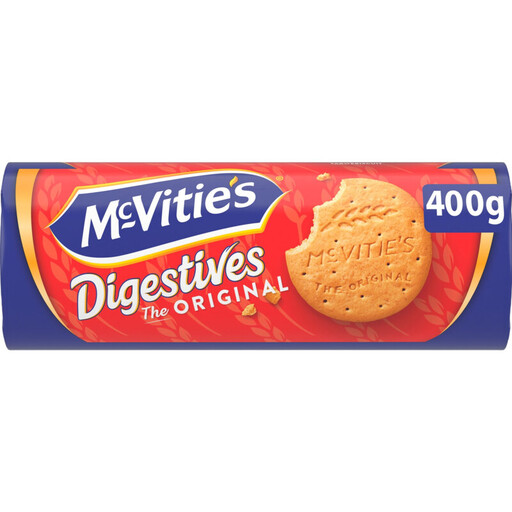 Image unavailable
A digestive to serve alongside stroopwafels with tea; the pack weighs 400 g. Check the allergen information for wheat/gluten and possible traces of milk.
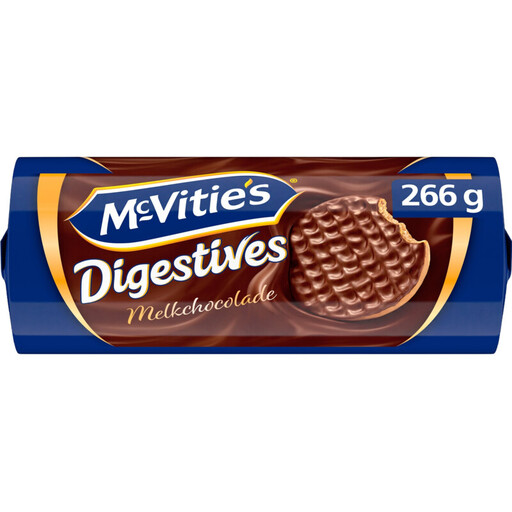 Image unavailable
For anyone who’d prefer to serve a digestive with milk chocolate rather than a plain biscuit; the pack weighs 266 g. Check the allergen information for milk, soya and wheat/gluten.
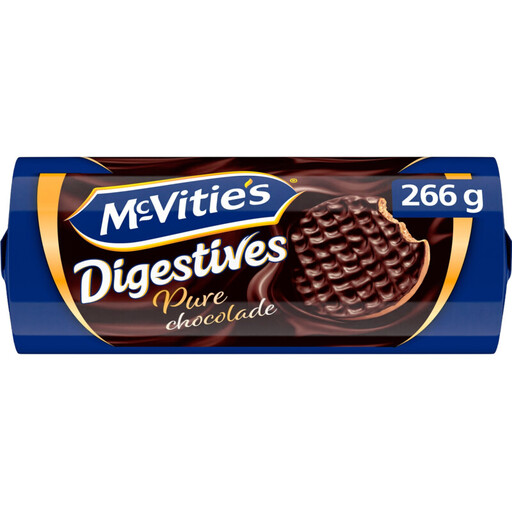 Image unavailable
A dark chocolate digestive to add variety to a biscuit platter; the pack weighs 266 g. Check the allergen information for milk, soya and wheat/gluten.
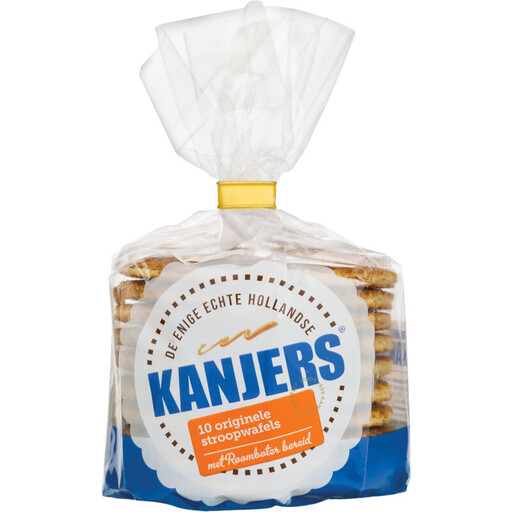 Image unavailable
This pack contains 10 stroopwafels to serve with coffee or tea. Check the label for wheat/gluten, milk and soya, and for warnings about possible traces of egg and nuts.
 Image unavailable
A stroopwafel variety to serve with coffee or tea, with 8 biscuits per pack. Check the label for wheat/gluten, milk and soya, and for warnings about possible traces of egg and nuts.
No, you can’t tell that from the name ‘digestive’. Compare the nutrition tables for the products you plan to serve. For example, Albert Heijn lists 6 g of fibre per 100 g for its Digestive volkoren; that figure doesn’t automatically apply to other digestives.
Read the allergen information on every pack you choose and ask your guests which ingredients they need to avoid. The classic Daelmans and PLUS stroopwafels reviewed here contain wheat/gluten, soya and milk, among other ingredients, but the composition can vary from product to product.
No. Gluten-free doesn’t mean free from other allergens. Albert Heijn also lists egg and lupin in its gluten-free organic stroopwafels. Check the packaging you’ve chosen for any warnings about cross-contamination, too.
Follow the storage instructions for the product you buy. The Daelmans and PLUS listings reviewed here say to store the products in a cool, dry, dark place; Albert Heijn recommends keeping its Digestive volkoren in a sealed tin after opening.