
Fans of a stroopwafel with coffee or tea
If you like to make your weekend breakfast a leisurely coffee break, you could opt for the caramel filling of a classic stroopwafel. Daelmans also describes briefly warming a stroopwafel over a hot drink.


Choose a stroopwafel if you’d like a caramel-filled waffle with your coffee or tea at the weekend; choose a digestive biscuit if you’d rather have a crisp wheat biscuit and want to compare the nutritional information of specific products. Neither needs to be the basis of your breakfast: the Netherlands Nutrition Centre recommends choosing breakfast foods from the Wheel of Five. If you have a food allergy or dietary restriction, always check the label on the product you choose.
If you like to make your weekend breakfast a leisurely coffee break, you could opt for the caramel filling of a classic stroopwafel. Daelmans also describes briefly warming a stroopwafel over a hot drink.
If you’re considering a digestive biscuit as a sweet extra, compare the sugar, fibre, fat and serving size of the products you’re considering. The word ‘digestive’ alone says nothing about the biscuit’s place in your breakfast.
If you need a specifically labelled option, look beyond the product category. Daelmans describes a gluten-free and lactose-free stroopwafel; even with this option, check the current ingredients and any warnings about the production environment.
First decide whether you’d prefer a stroopwafel with coffee or tea, or a crisp biscuit. Then compare the packaging and nutritional information. If you need to avoid an allergen, the current labelling takes priority over your taste preferences.
| What to consider | What to check when buying | Who it matters to |
|---|---|---|
| Flavour and serving occasion | Decide whether you’d like a stroopwafel with caramel filling or a crisp digestive biscuit, and check how many are in the pack. | If I want to serve something caramel-flavoured with coffee, that matters more to me than comparing nutritional values; this serving occasion comes first for around 40% of consumers. |
| Nutritional value and portion | Compare sugar, fibre and fat per 100 g, as well as the amount you plan to eat. | When choosing a sweet extra for my breakfast, I want to know what my portion contains; around 30% of consumers prioritise this nutritional comparison. |
| Ingredients and allergens | Read the current ingredients list and any cross-contamination warnings. Look for an explicit gluten-free label if you need one. | If I need to avoid gluten or another allergen, I can’t rely on the name ‘stroopwafel’ or ‘digestive’ alone; this is the first consideration for around 20% of consumers. |
| Pack size and availability | Check the weight, number of biscuits and whether the product is available online or in store. | If several people are having breakfast, I want to know how many biscuits I’ll be bringing home and where I can buy them; around 10% of consumers put this practical consideration first. |
A digestive biscuit is still a biscuit. PLUS gives its Digestive biscuit a Nutri-Score of D; what’s more, a single label value or score doesn’t determine what makes up a whole breakfast.
Compare the nutritional information per 100 g and per portion for the products you’re considering. Enjoy biscuits alongside breakfast foods that suit your meal, rather than automatically using them as a replacement.
Regular Daelmans stroopwafels contain wheat, milk and soya. For its gluten-free option, Daelmans also describes a production environment where other allergens are handled.
Every time you buy, check the ingredients, relevant allergens and warnings on the current packaging, even if you’re familiar with a product you’ve bought before.
Pack weight and quantity vary by product. Lidl lists Sondey butter stroopwafels as an in-store product.
Before you shop, check the pack size and sales channel for the exact option you want to buy.
These brands offer examples of stroopwafels or digestive biscuits that may be relevant when choosing something for a weekend breakfast. Features of one specific product don’t necessarily apply to other products from the same brand.
Classic stroopwafels, as well as a separate option described as gluten-free and lactose-free.
Digestive Original is a wheat biscuit for anyone who wants to compare this type of biscuit with stroopwafels.
The own-brand range includes a 400 g pack of Digestive biscuits.
ALDI Nederland lists Biscotto Digestive biscuits as wheat biscuits.
Lidl Nederland describes butter stroopwafels with caramel as an in-store product.
These Joybuy products show two options for a sweet addition to weekend breakfast: a digestive biscuit and a stroopwafel. If you’re checking nutritional value or ingredients, compare the packaging of the product you choose.
 Image unavailable
A digestive biscuit for anyone who’d prefer a crisp wheat biscuit to a stroopwafel with their weekend breakfast.
Joybuy lists 3.7 g of fibre and 15.1 g of sugar per 100 g for this product. It contains wheat and may contain milk. If you have an allergy, check the current packaging.
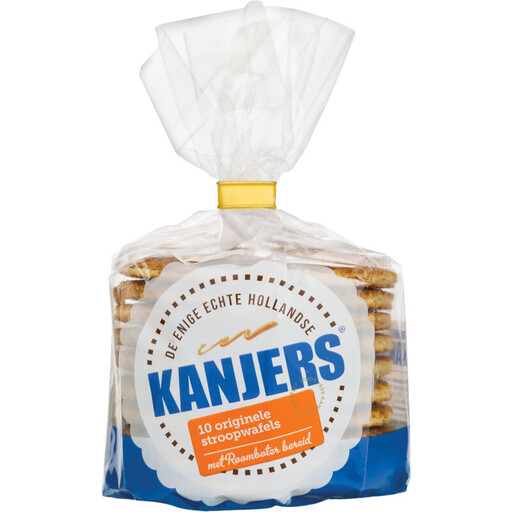 Image unavailable
A stroopwafel for anyone who’d like to serve a syrup-filled biscuit with coffee or tea at the weekend.
The pack contains 10 pieces. According to the product information, this option contains wheat, milk and soya; if you have an allergy, check the current packaging too.
No. The word ‘digestive’ doesn’t tell you whether a whole breakfast is balanced. PLUS lists 3.2 g of fibre and 16.3 g of sugar per 100 g for its Digestive biscuit; the Netherlands Nutrition Centre gives 0.6 g of fibre and 14.7 g of sugar for a 40 g stroopwafel. Compare products using the same quantity, and also consider the portion you plan to eat.
It’s better to have a stroopwafel or digestive biscuit as an extra rather than as the basis of your breakfast. The Netherlands Nutrition Centre recommends choosing breakfast foods from the Wheel of Five; then decide whether you’d like to add a biscuit.
Only choose a product that is explicitly labelled gluten-free for that specific option, and check the current label. Regular Daelmans stroopwafels and PLUS Digestive biscuits contain wheat; Daelmans also describes a gluten-free stroopwafel and provides information about other allergens in the production environment.
You can serve a classic stroopwafel with coffee or tea and, if you like, briefly warm it over a hot drink, as Daelmans describes. Store digestive biscuits according to the instructions on their packaging. For McVitie's Digestive Original, the guidance is to keep it in a cool, dry place and seal the pack well after opening.