
Hosts who want to serve stroopwafels with coffee or tea
If you want to offer everyone a filled waffle, the number of waffles and their weight will help you plan. Albert Heijn lists ten 29 g stroopwafels in the Daelmans pack reviewed.


Choose stroopwafels if you’d like to serve a sweet, filled waffle with coffee or tea; choose digestive biscuits if you’d prefer a drier wheat biscuit alongside the waffles. If guests have dietary requirements, check the current label before choosing: a gluten-free stroopwafel may still contain other allergens.
If you want to offer everyone a filled waffle, the number of waffles and their weight will help you plan. Albert Heijn lists ten 29 g stroopwafels in the Daelmans pack reviewed.
When you’re catering for a mixed group, check the label on each individual pack. The regular Daelmans and Jumbo stroopwafels reviewed list wheat, milk and soya; the gluten-free PLUS version reviewed contains egg and lupin.
A digestive biscuit is a different type of biscuit from a filled stroopwafel. If you’d like to serve both, compare the ingredients, nutritional information and pack contents of each specific product. Jumbo lists 5.8 g of fibre per 100 g for its Digestive Volkoren.
Good for: a sweet, syrup-filled waffle to enjoy with coffee or tea.
Bear in mind: the regular Daelmans, Jumbo and PLUS versions reviewed list wheat, milk and soya.
Good for: a guest for whom you’re looking for a stroopwafel explicitly labelled gluten-free.
Bear in mind: the PLUS version reviewed contains egg and lupin; gluten-free does not mean free from all allergens.
Good for: anyone who’d like to serve a drier wheat biscuit alongside stroopwafels.
Bear in mind: the Jumbo Digestive Volkoren reviewed contains wheat; the name ‘digestive’ does not mean it aids digestion.
| What to consider | What to check when buying | Who is this most important for? |
|---|---|---|
| Serving and portions | Compare the type of biscuit, number of pieces and weight per piece with your serving plan. | I want to hand out a filled waffle with coffee and have enough pieces ready. Around 40% of shoppers say this serving need takes priority. |
| Gluten and other allergens | Check both the ingredients and allergen information on the current pack; check a gluten-free version for other allergens too. | If a guest needs to avoid certain allergens, a suitable label matters more than my preference for a particular type of biscuit. This need comes first for around 30% of shoppers. |
| Choice of biscuit and pack size | Compare the ingredients, nutritional information per 100 g and quantity in each specific pack. | I want to decide whether to serve digestive biscuits as well as stroopwafels, and how many biscuits I’ll need. This is the main consideration for around 30% of shoppers. |
A digestive biscuit is not the same product as a stroopwafel. The product name alone does not substantiate any effect on digestion.
First choose the type of biscuit you want. Then compare the ingredients and nutritional information on the packs you’re considering, without assuming the name means it has a particular effect.
The gluten-free PLUS stroopwafels reviewed contain egg and lupin. The regular Daelmans and Jumbo versions list wheat, milk and soya, among other ingredients.
Ask which allergens are relevant to your guests and check the ingredients and allergen information on each pack individually.
Ingredients and allergen information can change. The details on a product page may therefore differ from the pack you eventually serve.
Use product pages to help you choose, then read the label on the pack you’ve bought before serving.
A brand to consider if you’re looking for classic, filled stroopwafels.
A supermarket own brand with several stroopwafel varieties, including the butter stroopwafels reviewed.
A supermarket own brand where you can compare a regular stroopwafel with a separate digestive biscuit.
A supermarket own brand with regular and gluten-free stroopwafels reviewed.
These Joybuy products offer stroopwafels and digestive biscuits for two different ways of serving. If you have dietary requirements, always check the label on the pack you receive.
 Image unavailable
For anyone who’d like to hand out a filled stroopwafel at Easter brunch. The pack contains eight pieces; if you have allergies, check the current label.
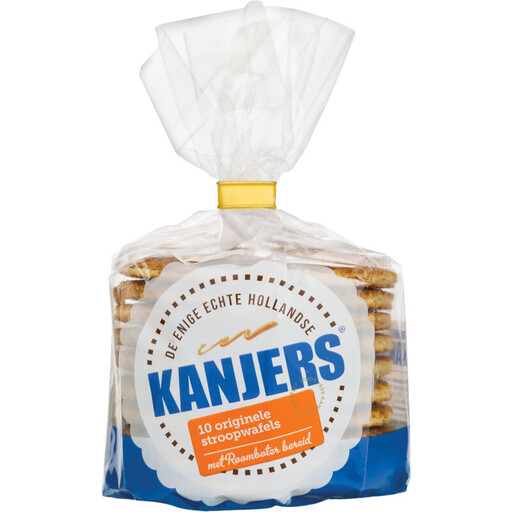 Image unavailable
A stroopwafel option if you want to serve ten pieces. Check the net weight when comparing pack sizes, and read the current label if you have allergies.
 Image unavailable
A digestive biscuit for anyone who’d like to serve a different type of biscuit alongside stroopwafels. The pack contains 400 g; check the label before offering it to guests with dietary requirements.
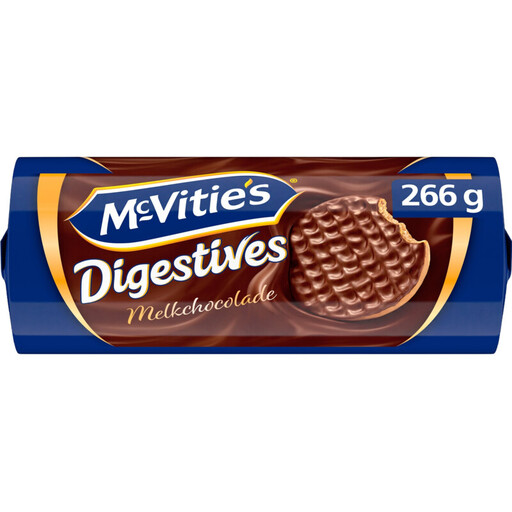 Image unavailable
For anyone who’d like to serve a digestive biscuit with a chocolate coating rather than a plain biscuit. The pack contains 266 g; if you have allergies, check the current label.
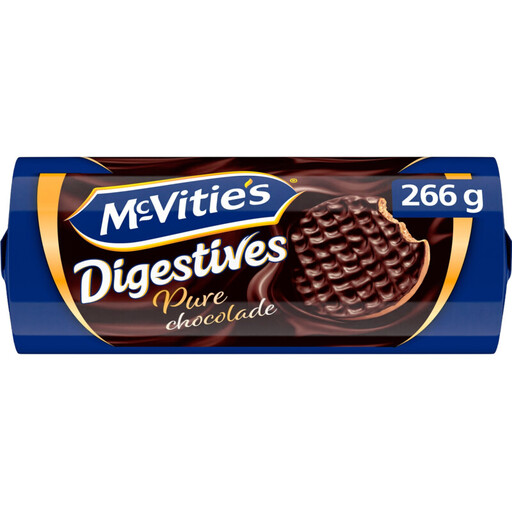 Image unavailable
A chocolate-coated digestive biscuit for anyone who’d like to offer a different variety alongside the stroopwafels. The pack contains 266 g; check the current label if allergens are a concern.
No. The Jumbo Digestive Volkoren reviewed is a wheat biscuit made with wholemeal wheat flour and wheat flakes; the Jumbo stroopwafels reviewed are filled waffles made with butter. The name ‘digestive’ does not mean it aids digestion.
Don’t assume they are: the regular Daelmans, Jumbo and PLUS stroopwafels reviewed list wheat or gluten-containing cereals. Look for a product explicitly labelled gluten-free, and check the other allergens on the current pack too; the gluten-free PLUS version reviewed contains egg and lupin.
Check the ingredients list and allergen information on the packaging. According to the European Union, prepacked foods must follow labelling rules covering items including allergens, net quantity and nutritional value. Read the label on the pack you’re actually serving.
Follow the storage instructions and use-by or best-before date on the pack you choose. The stroopwafel packs reviewed recommend storing them in a dry place; for the Digestive Volkoren reviewed, Jumbo advises resealing the pack securely after opening and storing it in a dark place.