
Vandaag of morgen in huis

Kwaliteit gegarandeerd

Welkomstaanbiedingen ontgrendelen: GRATIS bezorging | Tot 80% korting | Gratis 30 dagen JoyPlus-proefperiode
Download de app
Grip slipping, weights left lying around and accessories that become uncomfortable after a few workouts are all familiar problems when strength training at home or in the gym. If you’re looking for strength training accessories, you’ll also come across plenty of product claims. A sturdy appearance doesn’t necessarily tell you how well something is made, and a low price could mean having to buy again later.
Use this practical guide to compare materials, dimensions, use and care. You can assess lifting straps, lifting grips, wrist wraps for strength training and fitness dumbbells by their verifiable features rather than marketing claims.
A stated weight capacity doesn’t tell you everything. With straps, the width, attachment loop, stitching and how you wrap them around the bar all matter too. An accessory isn’t a substitute for proper technique or a controlled increase in weight.
So check:
According to the product description, a rubber coating can provide extra friction on a barbell or dumbbell. That doesn’t mean your hands can never slip. Sweat, dust, a poor fit and insufficient tension can all affect how it performs.
Lifting straps are mainly designed to support your grip during pulling exercises. Keep training without them too, so your natural hand and forearm grip remains part of your training.
Neoprene, cotton, rubber and plastic don’t all need the same care. According to the product information, some straps shouldn’t go in the washing machine, while adjustable dumbbells should be dried after use. Incorrect care can cause shrinkage, coating to peel or general wear.
Store weights low down and on a stable surface. Don’t put dumbbells on a high shelf, and lower them carefully to the floor.
The main part of lifting straps is often made from cotton. Also look for neoprene wrist padding, reinforced seams and, where applicable, a rubber layer on the part that touches the bar. According to the Thor Athletics product description, the Extra Grip models are made from 100% cotton, with neoprene padding, a rubber anti-slip coating and polyester stitching.
With lifting grips, the contact surface is just as important as the wrist strap. A rubber palm may be designed for exercises such as deadlifts, rows, pull-ups, shrugs and lat pulldowns. Check that the grips come as a left and right pair and that you can adjust the fastening properly.
A strap measuring around 50.8 to 55.8 cm long and 3.8 cm wide may feel different from a narrower version. A wide strap spreads contact across a larger area, but may be less comfortable on smaller wrists if the loop isn’t adjustable enough.
Check:
A fastening that’s too loose can make the straps difficult to use. Wrap them around the bar two to three times, following the instructions, and check they’re secure before every set.
For beginners, several lighter weights are often more practical than one heavy pair. A dumbbell set with 1, 2 and 3 kg weights can be used for lateral raises, presses, lunges and general fitness. Also consider the shape: hex dumbbells are less likely to roll away than round models.
Adjustable dumbbells save space and let you choose between different resistance levels. With a 5-in-1 set, check that all the fastenings are secure before you start. If a model can also be used as a barbell, kettlebell or push-up stand, take extra care when assembling and storing it.

Why it suits this profile: The set contains three pairs weighing 1, 2 and 3 kg, making it suitable for gradually building up your home workout. The included stand keeps the weights together.
The weights are clearly marked and have a hexagonal shape. That means you don’t have to guess based on appearance or size, and they’re less likely to roll away.
Cast-iron core, neoprene coating, ergonomic handles and a PP plastic stand. Each dumbbell weighs between 1 and 3 kg.
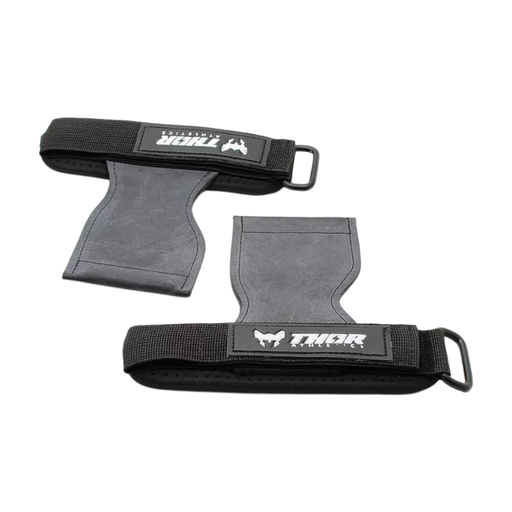
Why it suits this profile: These grips are designed for people who regularly do pull-ups, rows, shrugs or lat pulldowns and want a secure hold combined with wrist padding.
The product description mentions a rubber palm, neoprene lining and reinforced seams. Before each use, check that the grip fits securely around your wrist and shows no signs of damage.
Supplied as a pair, with a rubber contact surface and full neoprene padding. Clean with a damp cloth; don’t submerge or put in the washing machine.
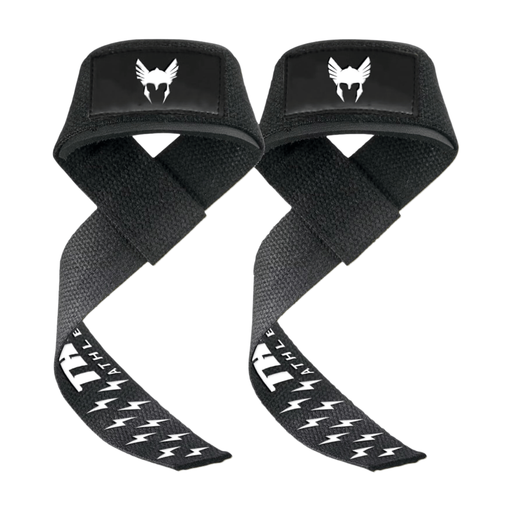
Why it suits this profile: These straps are suited to heavy deadlifts, rows and other pulling exercises where your grip tires before the rest of your movement.
According to the product description, this model combines a rubber anti-slip layer with cotton, neoprene padding and reinforced seams. The straps aren’t designed for snatches or clean-and-jerks.
Pair measuring 50.8–55.8 cm long and 3.8 cm wide, with wrist padding. Hand-wash with mild detergent and cold water, then leave to air-dry.
We’ve put together a full, up-to-date list of products that meet these strict selection criteria and the applicable European safety regulations.
Use lifting straps when your grip becomes the limiting factor during a controlled pulling exercise. Increase the weight gradually and wrap the straps around the bar correctly. Keep some regular sets without accessories in your programme too.
No. Lifting straps are long bands that you wrap around your wrist and around the bar several times. Lifting grips usually cover part of your palm and fasten around your wrist. The right option depends on your exercise, preference and fit.
A fixed dumbbell set with several light weights is easy for beginners to organise and use for exercises with repetitions. Adjustable dumbbells are more convenient if storage space is limited or you need different resistance levels. For any model, check the total weight, dimensions and locking mechanism.
