
Viewer with an older TV
Wants to watch series on their current HDMI TV when built-in apps are missing or no longer work properly.


First, check which Dutch streaming service has the period dramas you want to watch, and whether its app works on the device you’re considering. A more expensive media player won’t give you access to a series that isn’t available on it. A compact stick is a good fit when space is limited and you stream over Wi-Fi; a box makes more sense if you need its connections or features and have room for it. 4K and HDR are only useful if the TV, the title and, where applicable, your subscription support that picture quality.
Wants to watch series on their current HDMI TV when built-in apps are missing or no longer work properly.
Wants to keep equipment around the TV to a minimum, so is weighing up a stick against a separate box, while considering power and placement.
Wants the apps, network connection and picture formats to suit their TV, streaming services and series.
Choose this if: the app with your series is available and works well on your TV.
Bear in mind: app availability and updates can vary between TV models.
Choose this if: you have an HDMI TV, want to keep equipment to a minimum and stream over Wi-Fi.
Bear in mind: check the available space around the HDMI port, the power supply and which apps work on the exact model.
Choose this if: you want a separate box with Ethernet or more app storage, and have room for it.
Bear in mind: Google lists 32 GB of storage and built-in Ethernet; a certified HDMI 2.1 cable is sold separately.
Choose this if: you want to use Apple controls and services, or are looking for the Ethernet version.
Bear in mind: only the 128GB version has Ethernet; Apple says the HDMI cable is sold separately.
Choose this if: you’re considering a compact Fire TV stick with Alexa voice control.
Bear in mind: Amazon lists 16 GB of storage for the international version; check that the Dutch apps you want work on this variant.
| Concern | What to check | Consumers this applies to |
|---|---|---|
| Access to series and apps | Check the service, the app for the exact device and any software version requirements. | When I buy a media player, I want to know in advance whether my preferred series and apps will work on it. Around 40% of consumers put access to series and apps first. |
| Placement, power and controls | Check the space around the HDMI port, the mains socket and which accessories are included. | In a small living room, I want as little equipment as possible around the TV and controls that are easy to use. Around 23% of consumers focus mainly on placement and controls. |
| Picture quality and connection | Compare your TV’s capabilities with the title, the service and your network connection. | If I want better picture quality, my TV and the series in question need to support it too. Around 22% of consumers prioritise picture quality and connection. |
| Total cost and support | Check which subscriptions and cables you’ll need, the update information and who the seller is. | I don’t want to pay for features I can’t use, and I want to know who to contact if something goes wrong. Around 15% of consumers prioritise costs and after-sales support. |
A device that outputs 4K doesn’t guarantee that a specific episode will be shown in 4K or HDR. The title, service, TV and sometimes your subscription all play a part.
Before paying extra for 4K or HDR, check your TV’s picture capabilities and the information provided for the title and service you want to watch.
Versions can differ in storage, connections and included accessories. For example, Ethernet varies between versions of the Apple TV 4K (3rd generation).
Compare the full model name and variant, including connections and what’s in the box.
ACM ConsuWijzer explains that your statutory rights depend on what you could reasonably expect from the product, and are separate from a seller’s or manufacturer’s warranty.
Keep your purchase information and contact the seller if there’s a fault. Consider your statutory rights separately from any commercial warranty period.
Google TV Streamer (4K) is a separate Google TV box for anyone looking for Ethernet and extra app storage.
The TV Stick 4K (2nd Gen) is a compact Google TV stick for an HDMI TV and a wireless connection.
Apple TV 4K (3rd generation) is available as a 64GB Wi-Fi version and a 128GB Wi-Fi + Ethernet version.
The Fire TV Stick 4K Max is a compact Fire TV stick with an Alexa remote.
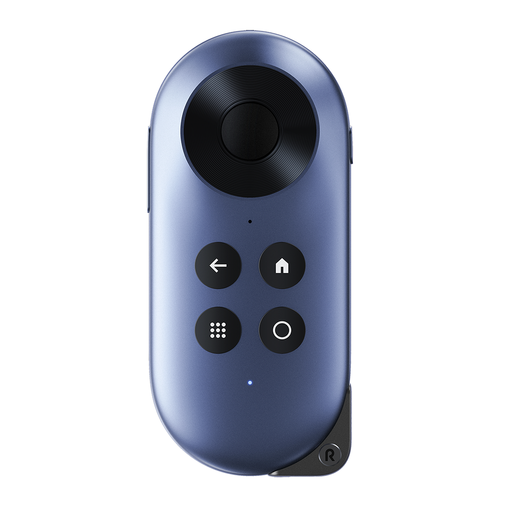
This Joybuy pick is a portable Android TV streaming device for anyone who wants to use apps without placing a permanent box by the TV. Check in advance that the apps you need work on this model.
 No image available
A good fit if you’re looking for a portable Android TV solution and the apps you need work on this model.
The product description lists a built-in 5000 mAh battery, a remote control and access to apps and content through the Android TV interface. According to the product description, Netflix is not currently supported.
The product title names Rokid Max and Air Series AR glasses as the intended pairing; check that this setup suits the way you watch.
No. An HD TV can’t display a 4K picture. Also check your TV’s resolution and HDR support, and the quality offered for the title and service in question; a device with 4K output alone isn’t enough.
Yes. NPO explains that while watching in the NPO Start app on Apple TV, you can swipe down on the remote to open the subtitle settings menu.
First, check the network connection in the app you’re using. Netflix recommends a stable connection of at least 5 Mbps for Full HD and 15 Mbps for UHD; these recommendations don’t automatically apply to other services.
Not automatically; access depends on the service and the terms for the series you want to watch. NPO says you can usually catch up on programmes for free for at least a week. Check each title to see whether you need a paid subscription.
ACM ConsuWijzer states that online purchases generally come with a statutory 14-day cooling-off period after delivery, although there are exceptions. If a product is faulty, you also have statutory rights if it doesn’t perform as you could reasonably expect under normal use; the seller is your point of contact. A commercial warranty period doesn’t replace these rights.