
Vandaag of morgen in huis

Kwaliteit gegarandeerd

Welkomstaanbiedingen ontgrendelen: GRATIS bezorging | Tot 80% korting | Gratis 30 dagen JoyPlus-proefperiode
Download de app
A tub of strawberry whey protein may seem straightforward to choose at first glance. However, products can differ significantly in protein content, serving size, protein source and preparation method. Attractive packaging or claims about rapid absorption do not automatically indicate whether a product is suitable for your diet.
The most common purchasing mistakes are:
Check both values. Protein per serving shows how much you consume in one shake. Protein per 100 grams makes it easier to compare products with one another.
For example:
The permitted EU claim that protein contributes to the growth and maintenance of muscle mass applies when the legal conditions are met. This does not mean that protein powder itself causes muscle growth. Training, your overall diet and recovery remain key factors.
Whey concentrate generally contains slightly more carbohydrates and fat alongside the whey protein. It is often a practical choice for everyday use.
Whey isolate is filtered further and usually contains a higher percentage of protein per 100 grams, with less fat and fewer carbohydrates. Always check the label, however: the exact values vary by brand and flavour.
Hydrolysed whey has been partially broken down in advance. Brands may make claims about absorption or digestion in relation to this. According to a brand’s own research, this is not a guaranteed result for every user. Therefore, focus mainly on the ingredients list and nutritional values.
Strawberry protein powder can be mixed with water or milk. Milk makes the shake richer, but increases its nutritional values and may affect the flavour. Also check the recommended amount of liquid:
Also check the sweeteners, thickeners and colourings. If you have an allergy or intolerance, always check the current packaging. Most of the products mentioned contain milk; several variants also contain soya.
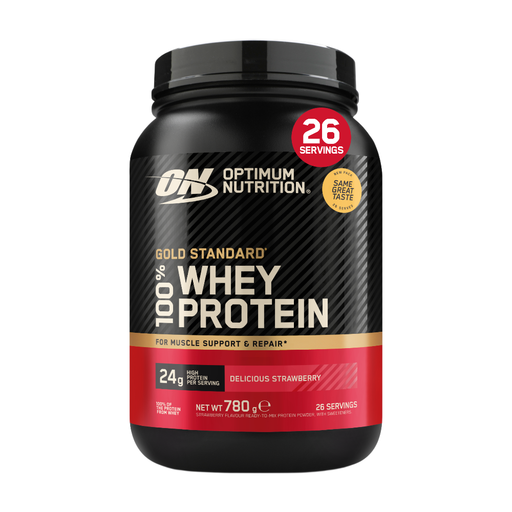
Why it suits this profile: According to the product information, the 780-gram pack provides approximately 26 servings. This is a manageable option if you want to buy whey protein without immediately committing to a very large supply.
The nutritional information lists 24 grams of protein, approximately 112 kcal and 1.2 grams of sugar per serving. This makes it easier to estimate the serving size and nutritional value in advance.
Whey isolate, whey concentrate and hydrolysed whey isolate in one blend; recommended mixing amount of 180–240 ml of water or milk.
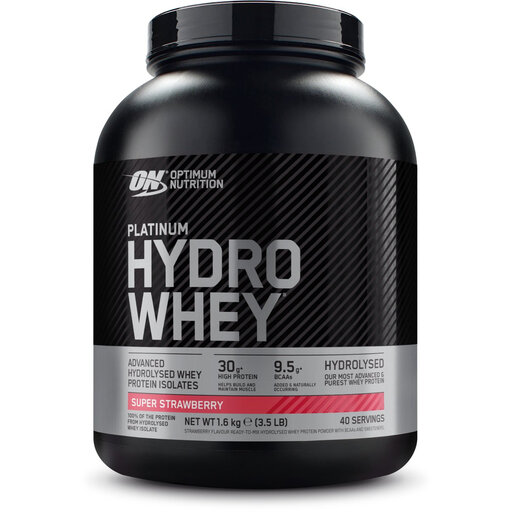
Why it suits this profile: This large pack is aimed at adults who train regularly and want to use a consistent product for their daily protein intake.
The product information clearly states a 40-gram serving, approximately 40 servings and 30 grams of protein per serving. This makes the quantity more transparent than a vague claim about a “rich” shake.
Hydrolysed whey protein isolate; 30 grams of protein, 142 kcal and 0.6 grams of sugar per serving according to the stated nutritional values.
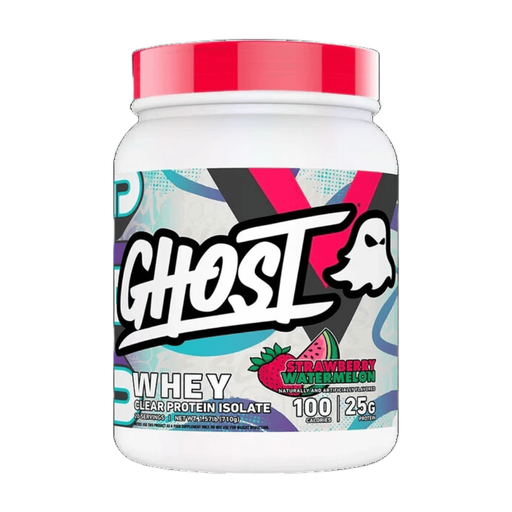
Why it suits this profile: This strawberry clear whey is suitable for athletes who do not want a creamy milkshake, but prefer a lighter drink made with whey isolate.
The preparation instructions specify approximately 475 ml of water and recommend leaving the drink to stand briefly to reduce foaming. This tells you in advance that the product is prepared differently from standard whey.
25 grams of protein and approximately 100 kcal per serving; according to the product information, no added sugars and free from soya and gluten.
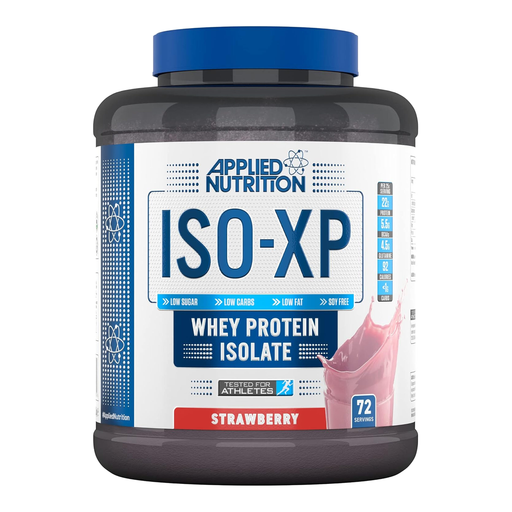
Why it suits this profile: According to the product information, a serving of approximately 25 grams provides 22.5 grams of protein. This suits users who want to keep fat and carbohydrates per shake low.
The stated values separately list 0.24 grams of fat, 0.09 grams of carbohydrates and 0.09 grams of sugar per serving. However, compare these figures with the current label.
95% whey isolate as the listed ingredient; 22.5 grams of protein and approximately 89 kcal per serving according to the product information.
We have put together a complete, up-to-date list of products that fully meet these strict selection criteria and the applicable European safety regulations.
A shake is not something you have to take immediately after exercising. You can use protein powder after training, but also at breakfast or as an addition to a meal when your daily protein intake is low. Always follow the recommended serving on the label.
Also bear the following in mind:
It can help supplement your daily protein intake. According to the permitted EU claim, protein contributes to the growth and maintenance of muscle mass. The product does not replace a varied diet, strength training or sufficient rest.
Check the best-before date on the packaging and follow the manufacturer’s storage advice. Once opened, powder generally keeps better when you close the tub immediately and store it in a dry place. Do not use it if the smell, colour or texture has clearly changed.
Not necessarily. Whey isolate often contains a relatively high amount of protein per 100 grams and little fat and carbohydrates, but whey concentrate may be perfectly adequate for everyday use. Compare the nutritional values, ingredients, allergens, serving size and price per serving before buying whey protein.
