
Vandaag of morgen in huis

Kwaliteit gegarandeerd

Welkomstaanbiedingen ontgrendelen: GRATIS bezorging | Tot 80% korting | Gratis 30 dagen JoyPlus-proefperiode
Download de app
Strawberry whey protein can be useful after exercise, between meals or when you want to add extra protein on a busy day. However, a large tub or eye-catching claim doesn’t automatically mean the powder suits your needs. Pay particular attention to the nutritional values per serving, the protein source and the ingredients list.
Don’t compare only the price per pack. Check:
For example, a powder with 20 g of protein per serving may contain less protein than one with 24 or 25 g, even if the servings are roughly the same size.
Whey concentrate, whey isolate and hydrolysed whey have different properties. Whey isolate generally has a higher protein content per 100 g and often contains less carbohydrate and fat. Whey concentrate is usually a more versatile and often more affordable option. A blend combines different types of whey.
Also check the allergens. Whey comes from milk. Many products also contain soya, in the form of lecithin used as an emulsifier. If you’re sensitive to milk or soya, check the label for your chosen flavour and pack size.
The name strawberry protein powder doesn’t tell you how much sugar it contains. Check the nutritional table per serving, not just the front of the pack. Also look out for sweeteners, thickeners and colourings. A low sugar content may be appealing, but taste and mixability are personal preferences.
For a practical comparison, it’s useful to check both figures. The Optimum Nutrition Gold Standard products in this selection list around 24 to 25 g of protein per serving of approximately 30 g. Applied Nutrition Critical Whey lists around 20 to 24 g of protein, depending on the variant and serving size.
The permitted EU claim that protein contributes to the growth and maintenance of muscle mass applies when the relevant legal conditions are met. This doesn’t mean a shake builds muscle on its own. Training, your overall diet, recovery and individual needs also play a part.
Choose a whey protein to suit your dietary goals, budget and tolerance. A blend can be a practical option for everyday use. If you’re mainly looking at protein percentage and lower fat or carbohydrate content, compare the nutritional table for a whey isolate with that of a standard blend.
A typical serving is around 30 g. The products below state that you can mix the powder with around 180 to 400 ml of cold water or milk, depending on the product. More liquid makes a thinner shake; less gives it a thicker texture.
A small pack is handy for trying a flavour first. A larger size may suit someone who has a strawberry protein shake several times a week, but always check the best-before date, storage instructions and price per serving.
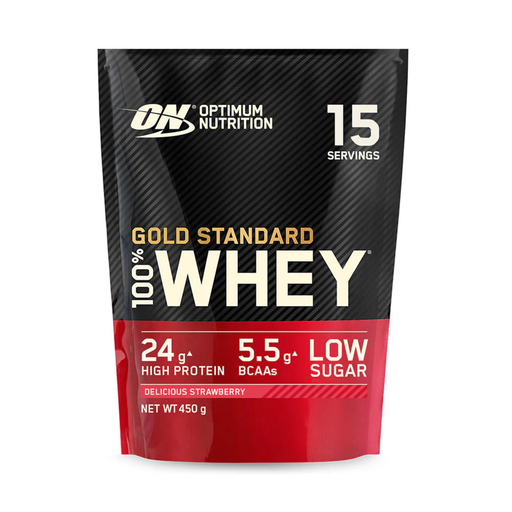
Why it suits this profile: With around 15 servings, this smaller pack is a practical way to try the strawberry flavour and see how easy it is to use, without buying a large pack straight away.
The product information clearly lists the serving size, protein content and ingredients. This lets you compare the price per serving rather than looking only at the price of the tub.
Around 24–25 g of protein per serving of approximately 30 g; instantised powder that, according to the product description, mixes with water or milk.
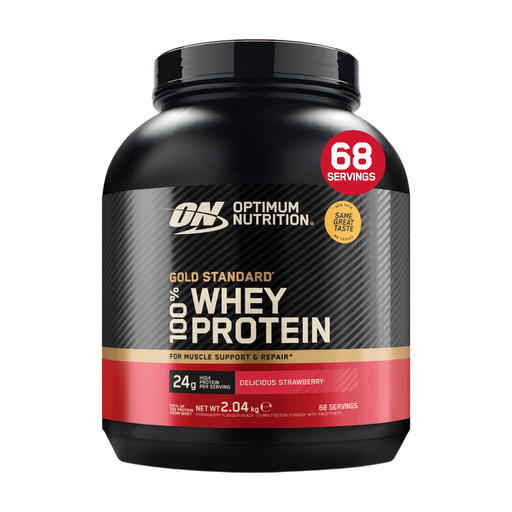
Why it suits this profile: This larger size is a good fit for athletes who use a whey shake regularly and have established a consistent routine.
The blend lists whey isolate, whey concentrate and hydrolysed whey. According to the product description, the nutritional information gives around 24 g of protein per serving, with low sugar and fat content.
Large pack; around 24–25 g of protein per serving; contains milk and soya, so be sure to take the allergens into account.
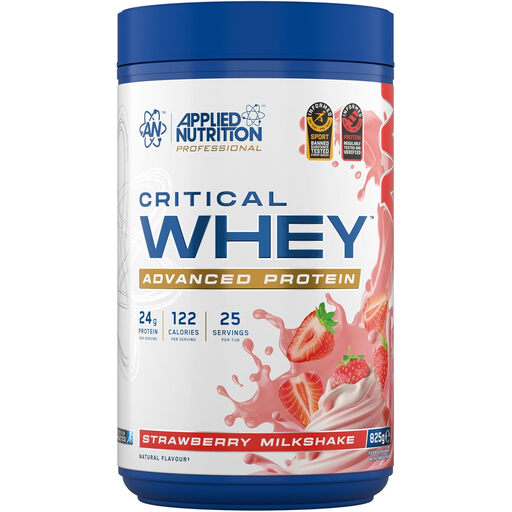
Why it suits this profile: The combination of whey concentrate, whey isolate and hydrolysed whey is designed for athletes looking to supplement their daily protein intake around training.
The variant lists the protein, carbohydrate, fat and sugar values per serving. This lets you assess the strawberry flavour based on its full nutritional profile, not just the marketing on the front of the pack.
Around 23.8 g of protein per stated 33 g serving; naturally contains BCAAs and is intended for adults looking to supplement their protein intake.
We’ve put together a full, up-to-date list of products that meet these strict selection criteria and the applicable European safety regulations.
A shake can be used after exercise, but timing isn’t the only thing that matters. Your total protein intake throughout the day counts too. Follow the serving instructions on the label and adjust the amount of liquid to get the texture you want.
Keep the following points in mind:
Yes, a serving can be a practical way to supplement your daily protein intake after a workout. The product information for the variants mentioned lists around 20 to 25 g of protein per serving. It isn’t a necessary replacement for a regular meal.
Follow the best-before date on the pack. Store the powder in a cool, dry place, tightly sealed and away from moisture. Only use a dry scoop to help prevent clumping and loss of quality.
That depends on your goals and tolerance. Whey isolate often has a higher protein percentage and less fat or carbohydrate, while whey concentrate is a practical choice for many people. Always compare the nutritional table, ingredients and price per serving.
