
Vandaag of morgen in huis

Kwaliteit gegarandeerd

Welkomstaanbiedingen ontgrendelen: GRATIS bezorging | Tot 80% korting | Gratis 30 dagen JoyPlus-proefperiode
Download de app
A bottle of strawberry soda may look appealing, but the differences between fruit-flavoured soft drinks can be substantial. One drink may consist mainly of sparkling water and flavouring, while another contains significant amounts of sugar, caffeine or sweeteners. Pack sizes also vary widely, from a 200 ml bottle to a tray of 24 cans.
When searching online for buying strawberry soda, it is therefore better not to compare only the image or flavour name. Pay particular attention to the label, nutritional information and quantity per pack. This helps prevent an attractive impulse purchase from being a poor fit for your household, party or everyday use.
A strawberry soda may contain strawberry juice, flavouring or a combination of flavours. In some drinks, strawberry primarily refers to the flavour profile. Spa Touch Sparkling Mocktail Strawberry Daiquiri, for example, is described as sparkling water with natural flavouring; the product information does not list strawberry juice.
If you want a drink with a clear fruit component, check the ingredients list. If it mentions “juice concentrate” or fruit juice, you have more insight into the composition. The final taste still depends on the recipe and your personal preference.
A sugar-free strawberry soda may be sweetened with ingredients such as sucralose, acesulfame K, aspartame or steviol glycosides. This is different from a drink containing neither sugar nor sweeteners.
According to the product information, Spa Touch Strawberry Daiquiri contains 0 kcal, 0 grams of sugar and no sweeteners. Pepsi Zero Strawberry & Cream Soda is also listed as containing no sugar, but it does contain several sweeteners and caffeine. Always compare the complete ingredients list rather than relying solely on the front of the packaging.
A box containing 12, 24 or 30 units may offer a lower price per can or bottle, but it also requires sufficient storage space. 200 ml Ramune bottles are convenient for a themed party or an Asian snack table, but a glass bottle with a marble stopper requires extra care around young children.
Also check the best-before date, pack size and delivery conditions. Product information and packaging may change, so always read the current label when your order arrives.
Always compare nutritional values per 100 ml. A 330 ml can may contain considerably more sugar or calories than the figure shown on the packaging initially suggests.
Some examples from the available product information:
Pay attention to differences between product variants. A name such as “strawberry lemonade” or “strawberry soda” says nothing by itself about the sugar content.
Not every sparkling strawberry drink is suitable as an everyday thirst quencher. According to the product description, Monster Energy Ultra Strawberry Dreams contains 150 mg of caffeine per 500 ml can, as well as taurine, guarana extract and B vitamins. Pepsi Zero Strawberry & Cream Soda also contains caffeine.
If you are looking for a drink for children, a family gathering or the evening, it is better to filter specifically for caffeine-free options. The product information describes Fanta Strawberry Lemonade as caffeine-free. When in doubt, check the current label and warnings.
Choose the format based on how you plan to use it:
For Japanese strawberry Ramune, also pay attention to the opening mechanism. The bottle uses a glass marble as a stopper. Open it on a stable surface and supervise young children. The marble must not be removed.
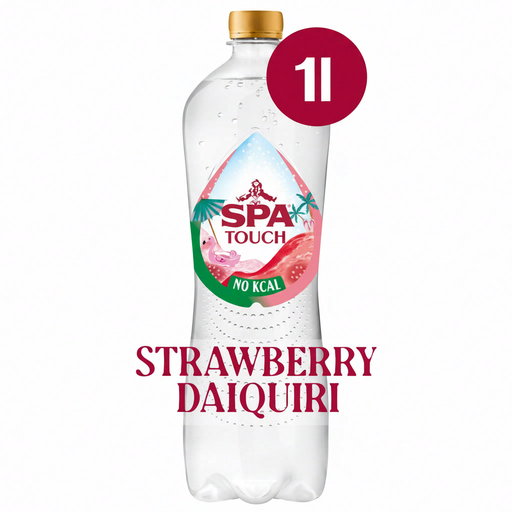
Why it’s a good fit: A 1-litre bottle is convenient for sharing with a meal or during drinks. According to the product information, this drink contains 0 kcal, 0 grams of sugar and no sweeteners.
The nutritional information makes clear that no sugar or sweeteners are listed. Check the current packaging upon delivery.
1-litre contents; natural flavouring; none of the 14 major EU allergens listed.
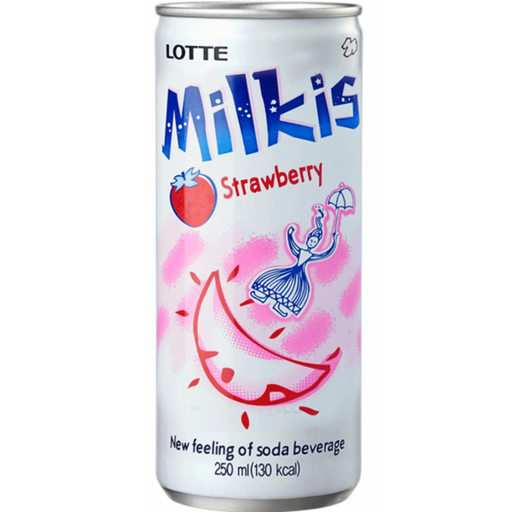
Why it’s a good fit: This Korean drink combines strawberry flavour with milky and yoghurt notes. The compact size is ideal for tasting Asian soft drinks.
The product information lists 12 grams of sugar per 100 ml and allergens including milk and soy. This allows you to make a more informed choice in advance.
250 ml per bottle; distinctive Korean flavour profile; ready to serve chilled.
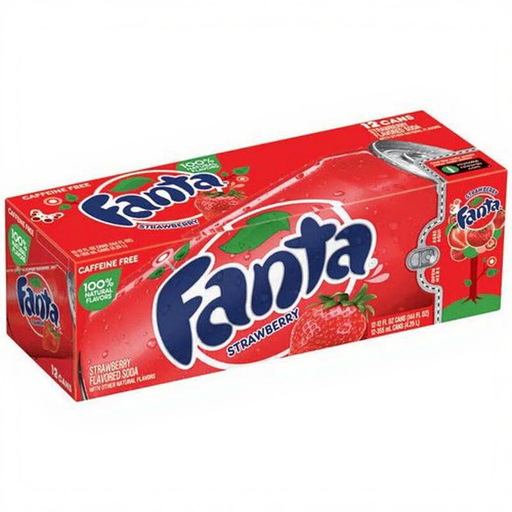
Why it’s a good fit: A tray of 12 cans is easy to manage for birthdays, film nights and keeping a supply at home.
The number of cans and the volume per can are clearly stated. The product information also describes the drink as caffeine-free.
12 cans of 355 ml; 48 kcal per 100 ml; suitable for serving chilled.
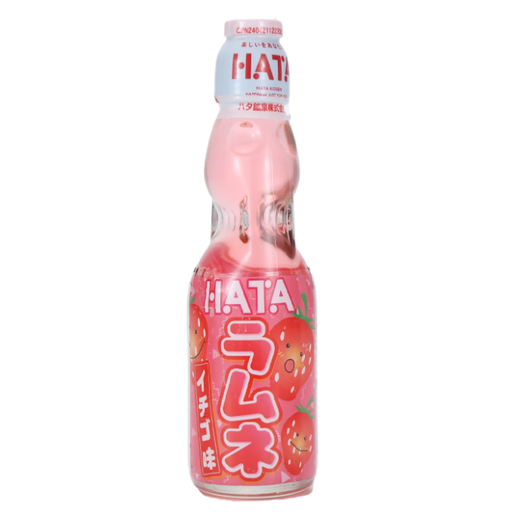
Why it’s a good fit: The Japanese bottle with its glass marble creates a distinctive presentation for snacks, themed evenings and small tastings.
The bottle holds 200 ml, and the usage instructions warn about the glass marble. This prevents surprises when opening it.
200 ml per bottle; strawberry flavour; approximately 39 kcal and 9.7 grams of carbohydrates per 100 ml.
Explore our current selection of products that match these practical criteria and the applicable EU information requirements for soft drinks.
This varies by product. Spa Touch Strawberry Daiquiri lists 0 grams of sugar and no sweeteners. Pepsi Zero Strawberry & Cream Soda also lists 0 grams of sugar, but it does contain sweeteners and caffeine. Cantabile Strawberry Ade lists a low sugar content per 100 ml. Always check the current nutrition table.
Ramune typically contains a glass marble in the bottle. Children should therefore open and drink it under adult supervision. Also check the ingredients and colourings on the label. The Ramune bottles in this overview generally contain sugar and are intended to be served chilled.
A multipack may offer a lower price per serving, but only if you use the entire box. Compare the total price, number of millilitres and best-before date. For a one-off tasting, individual 200 ml or 250 ml bottles are often more practical; for a party, a tray of 12 or 24 cans may be more convenient.
