
Vandaag of morgen in huis

Kwaliteit gegarandeerd

Welkomstaanbiedingen ontgrendelen: GRATIS bezorging | Tot 80% korting | Gratis 30 dagen JoyPlus-proefperiode
Download de app
Sweet strawberry products come in many forms: from strawberry sweets and Japanese mochi to dried fruit, jam, syrup and bubble tea toppings. This wide selection makes choosing appealing, but it can also feel overwhelming. For example, eye-catching packaging says little about the amount of strawberry, the serving size or how the product should be stored.
As a Joybuy Product Recommendation Officer, I focus mainly on practical product information. This helps you avoid marketing hype and choose a strawberry snack that suits the occasion: at home, on the go, at a party or as a small gift.
The words “strawberry flavour” do not automatically mean that a snack contains a lot of strawberries. In sweets, the flavour is often combined with sugar, glucose syrup, acids and flavourings. So check the ingredients list. If strawberry, strawberry purée or strawberry juice appears relatively near the top, the proportion is generally clearer than when only “flavouring” is mentioned.
With Japanese strawberry sweets and other Asian strawberry snacks, ingredients and nutritional values may be presented differently from what you are used to. Always check the Dutch or European product information where available.
Dried strawberries, strawberry jam and strawberry syrup are fruity products, but they often also contain sugar. According to the product information, MUSHAN BASE Dried Strawberry Slices contain dried strawberries and sugar. They list 57.4 grams of sugar per 100 grams. This makes them suitable as a small snack or topping, but they are not automatically comparable to fresh fruit.
The intended use is also important for jam and syrup. A jar of strawberry jam is handy for bread, cakes and desserts, while strawberry syrup is intended for soft drinks, cocktails, bubble tea or a sweet topping. Do not buy a large pack if you only use the product occasionally.
Mochi can lose its soft texture if the packaging is not properly sealed. Dried strawberries absorb moisture when left open. Syrup or topping may need to be refrigerated after opening. So always check the label and stated shelf life.
Also watch out for allergens. Castella, for example, may contain egg and wheat. Strawberry mochi may contain milk or egg, while other varieties may not list any allergens. The product packaging remains the definitive source, especially if recipes have changed.
First decide what you expect from your strawberry dessert:
A large family pack is practical for sharing, but it is not always cost-effective if you only have sweets occasionally. Individually wrapped pieces are convenient for eating on the go, treats and gifts. Sakuraseika Castella contains three individually wrapped pieces. Bamboo House Double Filling Strawberry Mochi is also individually wrapped, according to the product description.
Also check the net weight. A box containing several small portions may look different from a bag with the same total weight.
Compare products per 100 grams, rather than only per pack. Look out for:
Some product information may be incomplete or inconsistent. For Basak Cilek Aromali Jole, the stated fat and saturated fat content does not appear entirely logical. In such cases, use the packaging as your main source and contact the seller if you are unsure.
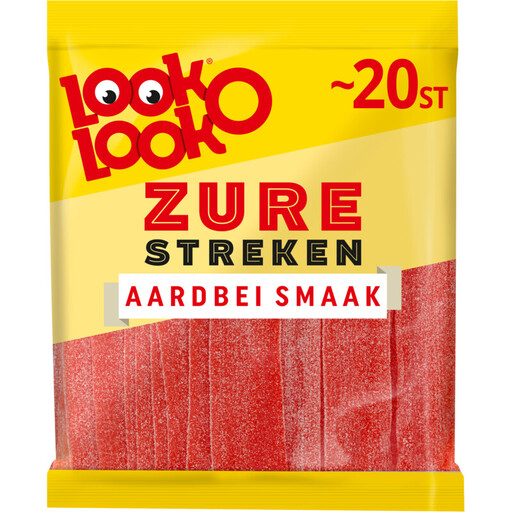
Why it suits this profile: A familiar choice for anyone wanting to try strawberry sweets. The 125-gram bag is suitable for sharing or keeping in a sweet jar.
The product information clearly states the flavour, weight and presence of wheat. This allows you to check in advance whether the sour texture and allergens are suitable for you.
125 grams; strawberry flavour with a sour note; suitable for sharing.
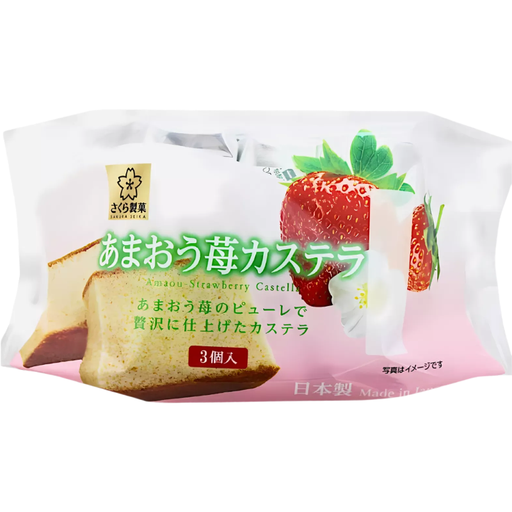
Why it suits this profile: For anyone looking for a refined Japanese snack to enjoy with tea, as a dessert or as a small gift.
The box contains three individually wrapped pieces and lists egg and wheat as allergens. The storage instructions require refrigeration, helping to avoid surprises after purchase.
105 grams; three individual portions; soft castella according to the product description.
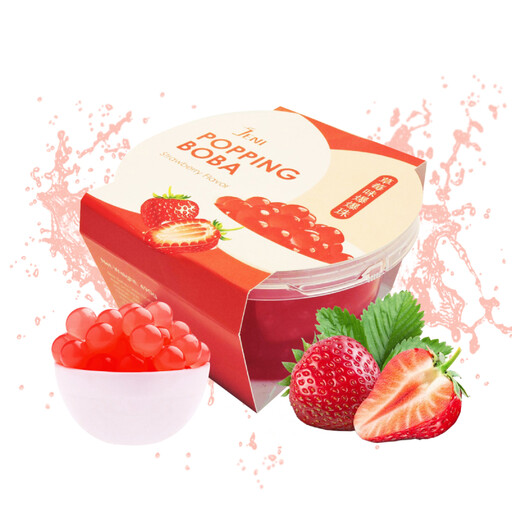
Why it suits this profile: A practical option for anyone who regularly prepares bubble tea, yoghurt, ice cream or a strawberry dessert.
The 490-gram pack is designed for repeated use. After opening, store the topping in the fridge according to the product information and use it within the stated period.
490 grams; suitable for drinks and desserts; popping boba texture according to the product description.
We have put together a complete, up-to-date list of products that fully meet these strict selection criteria and the applicable European safety regulations.
Small, individually wrapped snacks are convenient when you are out and about. Consider mochi, Haichu or individual sweet rolls. For a party, you could choose sour strawberry belts, candy floss or gummies. When buying for children, pay extra attention to the age recommendation, texture and potential allergens. A baby dessert such as Yogolino is a separate product category with its own usage instructions and is not the same as ordinary confectionery.
For use at home, jam, syrup and popping boba are more versatile. According to the product information, Bonne Maman Strawberry Jam contains 50 grams of fruit per 100 grams of product and is intended for bread and cakes. According to its description, JENI Strawberry Syrup is suitable for soft drinks, cocktails, desserts and baking. For these products, compare the contents, sugar information and storage time after opening.
Popular categories include strawberry sweets, strawberry mochi, dried strawberries, strawberry jam, strawberry syrup and strawberry jelly. If you enjoy trying new flavours, you could also explore Japanese or other Asian varieties, such as fruit rolls with hawthorn, castella or popping boba.
Always follow the instructions on the packaging. Dried strawberries and sweets should generally be stored in a cool, dry place away from direct sunlight. Mochi stays soft when the packaging is sealed properly. Some cake products require refrigeration. Popping boba and opened jam or syrup may need to be refrigerated after opening.
That depends on the product. Check the ingredients, allergens, serving size and any age recommendation. Also pay attention to the texture of chewy sweets and mochi. A product intended for babies, such as a dessert suitable from six months, should be used according to the accompanying instructions.
