
Making a single small batch
You want to make a modest amount of strawberry ice cream and are looking at the amount a machine can process for fruit ice cream, or the capacity of an individual dessert cup.


For small batches of strawberry ice cream, your choice mainly depends on what you can freeze in advance and how much you want to make at a time. A dessert-cup machine processes a pre-frozen base, a freezer-bowl machine churns a liquid mixture after the bowl has been frozen, and a compressor machine cools the mixture itself but may be bulky for small batches. For each model, check the amount it can process for fruit ice cream; the bowl’s total capacity doesn’t always tell you how much mixture it can handle.
You want to make a modest amount of strawberry ice cream and are looking at the amount a machine can process for fruit ice cream, or the capacity of an individual dessert cup.
You can freeze a bowl or ice cream base in advance and want to choose a method that works with your freezer and schedule.
You don’t want to wait for a bowl to freeze before each batch and are open to a larger machine with a built-in cooling unit.
Suitable if: you want to churn a liquid strawberry mixture and can freeze the bowl in advance.
The trade-off: the bowl takes up freezer space and requires preparation. Magimix states that the Glacier 1.1 L can make 600 ml of fruit ice cream and needs 10–12 hours of pre-freezing.
Suitable if: a single cup suits your portions and you can freeze the base in advance.
The trade-off: the machine processes a frozen base rather than a fresh, liquid mixture. The Consumers’ Association describes differences in texture between the ice creams and types of ice cream made by tested machines without a built-in freezer.
Suitable if: you don’t want to pre-freeze the bowl and expect to make several batches regularly.
The trade-off: Magimix says the Gelato Expert weighs 10.8 kg and can process 1 L of ice cream, so it may be a substantial machine if you only make small portions.
| What to consider | What should you check? | Who is this most important for? |
|---|---|---|
| Amount per batch | Compare the amount the machine can process for fruit ice cream with the portion you want to make. If necessary, check the minimum amount for the exact model. Magimix states that the Glacier 1.1 L can make 600 ml of fruit ice cream. | I want to make an amount that suits one sitting, not just choose a machine with a large bowl. Around 36% of consumers prioritise portion size. |
| Preparation and freezer space | Check which part needs to be frozen in advance and follow the timings for the exact model. DOMO gives a freezing time of 24 hours for the DO2309I; a compressor machine avoids the need to pre-freeze the bowl. | If I want to churn the mixture on the same day, it matters whether I have space for a bowl or filled cup in advance. Around 29% of consumers prioritise preparation time. |
| Type of ice cream you want to make | Check that the model and instructions are suitable for sorbet, ice cream or frozen yoghurt. The Consumers’ Association describes differences in mixing and firmness for tested machines without a built-in freezer. | I’ll choose based on whether I want to make strawberry sorbet or strawberry ice cream, bearing in mind that both the recipe and the machine affect the result. Around 21% of consumers prioritise the texture of fruit ice cream. |
| Storage and cleaning | Check the dimensions and weight, which parts can be removed, and the cleaning instructions for those parts. | Even after making a small batch, I’ll need to clean the parts and find somewhere to store the machine. Around 14% of consumers prioritise storage space and cleaning. |
A stated bowl capacity doesn’t necessarily match the amount of fruit ice cream you can make in one go. For the Glacier 1.1 L, Magimix separately states that it can make 600 ml of fruit ice cream.
Compare the stated amount for the type of recipe you want to make. If you’re making very small batches, check the minimum amount the exact model can handle.
Your batch may be larger than you want if you base your decision on the bowl’s total capacity alone.
A freezer-bowl machine needs a pre-chilled bowl; with a dessert-cup machine, you need to freeze the base first. The machine doesn’t remove the need for preparation.
Check the manual for the exact model to see what needs freezing and how far in advance.
You’ll need freezer space and time before you can start processing the mixture.
Magimix says the Gelato Expert weighs 10.8 kg and can process 1 L of ice cream. That may be a lot of machine if you only make small portions.
This method is best suited to you if avoiding pre-freezing or regularly making several batches is important. Also check the minimum amount for the exact model.
Consider how much space you’ll need on your worktop and for storage.
Magimix offers both a freezer-bowl model and a compressor model.
The DO2309I is a freezer-bowl ice cream maker with a stated capacity of 1 L.
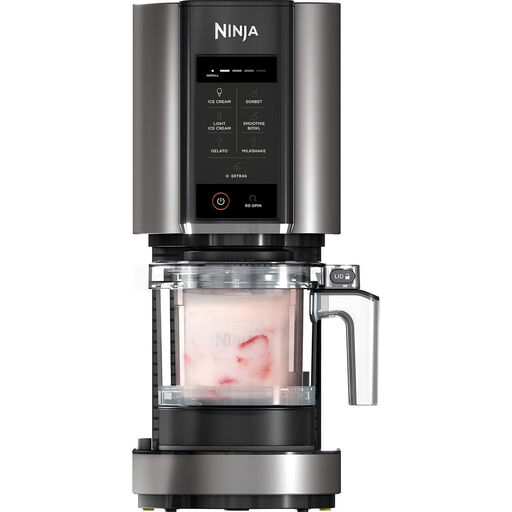
The CREAMi NC302EU processes a pre-frozen base in an individual cup.
The Princess 282605 is a freezer-bowl ice cream maker.
The Dolci IG602A processes a pre-frozen mixture and has several programmes, including one for sorbet.
This selection includes machines that use a pre-frozen dessert cup or freezer bowl. They’re for anyone who wants to make small portions of strawberry ice cream and can plan ahead.
 No image available
Suitable for making an individual dessert batch if you can freeze the base in advance.
The product information lists a 473 ml cup, two cups with a combined capacity of 0.95 L, and 24 hours to freeze the base.
Follow the instructions for freezing and processing the base.
 No image available
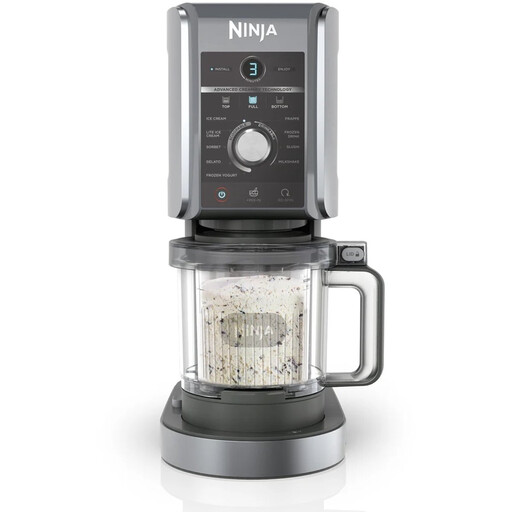
Suitable if you can freeze a dessert base in advance and want to make other frozen desserts too.
The product information describes a 10-in-1 machine. The base takes 24 hours to freeze, and the programmes include one for sorbet.
Follow the manual for instructions on preparing the base.
 No image available
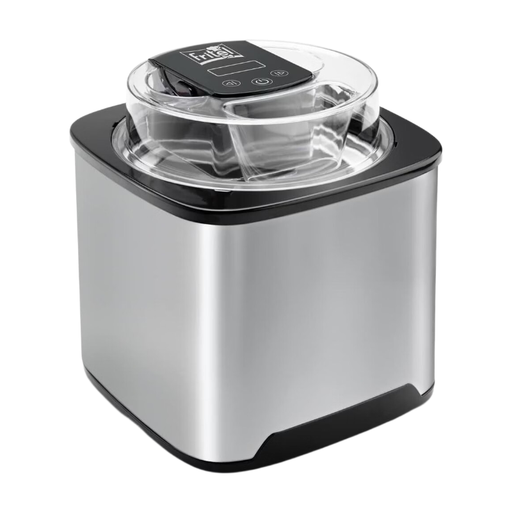
Suitable if you want to churn a liquid strawberry mixture in a pre-frozen bowl.
The product information lists a 2 L freezer bowl, a minimum pre-freezing time of 8 hours and a digital timer.
Check what quantity is suitable for your recipe; the bowl’s capacity won’t tell you on its own.
 No image available
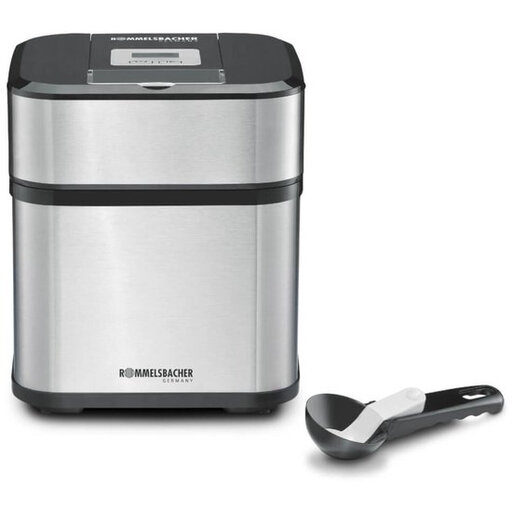
Suitable if you’re looking to make a small portion at a time and can freeze a bowl in advance.
The product information states that it can process up to 500 ml of mixture per portion and lists sorbet as one of the possible preparations.
Check the instructions for the freezer bowl and for cleaning the parts.
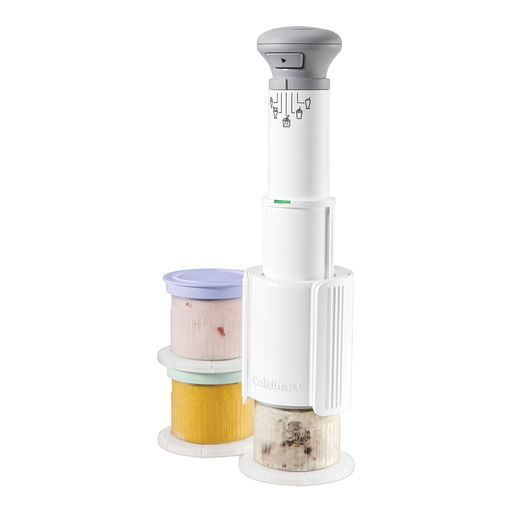 No image available
Suitable if you want to prepare a set portion of fruit dessert in a cup.
The product information lists three 240 ml cups and 24 hours to freeze the base; sorbet is one of the listed settings.
The base needs to be frozen in advance; follow the manual for your chosen preparation.
It depends on the type of machine. With a freezer-bowl machine, you need to freeze the bowl in advance; with a dessert-cup machine, you need to freeze the base first. A compressor machine cools the bowl itself. Follow the instructions for your chosen model.
The Netherlands Nutrition Centre advises washing fruit thoroughly under running water and using clean kitchen utensils. Clean any parts that come into contact with the mixture according to the manual; don’t assume the whole machine is dishwasher-safe.
The Netherlands Nutrition Centre advises pregnant women, young children, older people and those with weakened immune systems to avoid dishes containing uncooked egg. For these groups, choose a recipe without uncooked egg or prepare the egg in line with food safety advice; freezing doesn’t replace cooking.
Not necessarily. According to the Government of the Netherlands, there is no set statutory guarantee period in the Netherlands; you’re entitled to a product that is fit for purpose. Before buying, check whether extra cover adds anything to your rights and what terms and conditions apply.
Electrical appliances must meet the relevant safety requirements. Products covered by the relevant European regulations must carry the CE marking. This marking is a declaration by the manufacturer, not an independent approval of every individual product. Parts that come into contact with food must also meet the applicable requirements for food contact materials; the precise requirements depend partly on the material.