
Vandaag of morgen in huis

Kwaliteit gegarandeerd

Welkomstaanbiedingen ontgrendelen: GRATIS bezorging | Tot 80% korting | Gratis 30 dagen JoyPlus-proefperiode
Download de app
Sweet bubbles, an eye-catching bottle or a flavour you cannot find in every Dutch supermarket: strawberry fizzy drinks are popular at parties, film nights and among fans of exotic soft drinks. However, products can vary considerably. A small Ramune bottle is very different from a multipack of cans, while a sugar-free sparkling strawberry drink tastes different from classic strawberry lemonade.
If you only go by the product photo or words such as “fruity” and “refreshing”, you may end up buying packaging that does not suit your needs. Pay particular attention to the following points.
In strawberry-flavoured soft drinks, the aroma often comes from flavourings. That does not mean the drink contains a high proportion of strawberries or fruit juice. So check the ingredients list. Some drinks list water with flavouring as the main ingredient, while others contain a small amount of fruit concentrate.
For example, LOTTE Milkis Strawberry Soda lists strawberry flavour combined with skimmed milk powder and yoghurt flavour. According to the product information, CANTABILE Strawberry Ade contains strawberry juice concentrate and strawberry flavouring. As a result, these drinks do not automatically belong to the same taste category.
Sugar-free strawberry fizzy drinks may be sweetened with sucralose, acesulfame-K, erythritol or steviol glycosides, for example. This can give them a different taste from soft drinks containing sugar. So do not just look at the front of the packaging; compare sugars per 100 ml, sweeteners and serving size.
SPA Touch Strawberry Daiquiri lists 0 kcal, 0 grams of sugar and no sweeteners. According to the information provided, the product consists of carbonated mineral water and natural flavouring. This makes it a different choice from a classic strawberry soda containing sugar.
A tray of 24 cans can be useful for a large party, but less suitable if you want to try a flavour first. Conversely, individual bottles can run out relatively quickly when you need drinks for several guests. So calculate the total volume, not just the price per pack.
With glass Ramune bottles, also pay attention to how they are opened. The marble remains inside the bottle, and young children should preferably open this type of drink under adult supervision. Always follow the instructions on the packaging.
Compare the nutritional values per 100 ml. This makes it easier to compare products with different bottle or can sizes fairly. Examples from the range include:
A sugar-free product is therefore not automatically caffeine-free. For energy drinks, check the caffeine information and warnings on the label. For children and people avoiding caffeine, a caffeine-free option is more practical.
Small sizes from 200 to 250 ml are suitable for tastings, treats or a mixed drinks table. Examples include HATAKOSEN Ramune Strawberry, GENKI RAMUNE Strawberry and LOTTE Milkis Strawberry Soda. For stocking up or a party, multipacks make more sense, such as 12 cans of Fanta or Monster, or 30 bottles of Hatakosen Ramune.
Also check whether you prefer cans, plastic bottles or glass bottles. Glass Ramune looks distinctive, but requires more care during transport and opening.
Read the complete product packaging before consuming the drink. Product information on a web page may change or differ from the label. Pay particular attention to milk and soya in Milkis, and to sweeteners, colourings and caffeine in zero or energy variants. Store unopened drinks in a cool place away from direct sunlight. Once opened, many carbonated drinks should be refrigerated and used within the stated period.
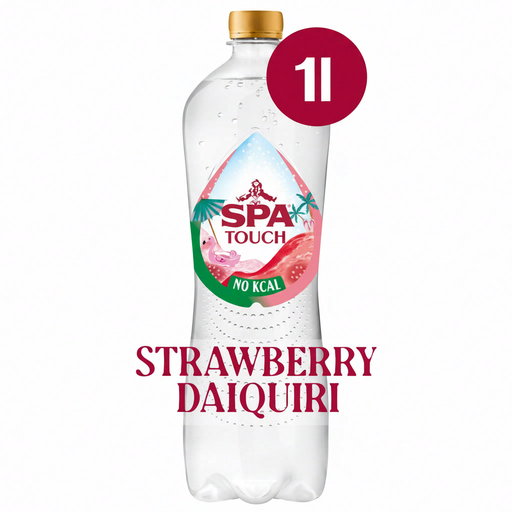
Why it suits this profile: A 1-litre bottle is handy for sharing at home or trying at your own pace. According to the product information, this sparkling drink contains no calories, sugar or sweeteners.
The nutritional values and ingredients are clearly listed, so you do not have to rely solely on the strawberry image on the label.
1-litre capacity; 0 kcal and 0 grams of sugar according to the product information; none of the 14 main EU allergens listed.
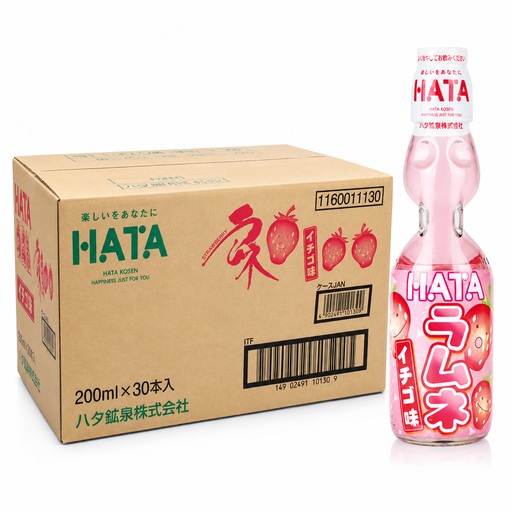
Why it suits this profile: This multipack is ideal for fans of Japanese strawberry Ramune who want a distinctive presentation and plenty of small servings for home or an event.
The pack contains 30 bottles of 200 ml. This makes the serving size clear in advance, so you do not accidentally buy just one bottle for a large group.
30 × 200 ml; Japanese origin according to the product information; classic bottle with glass marble and strawberry flavour.
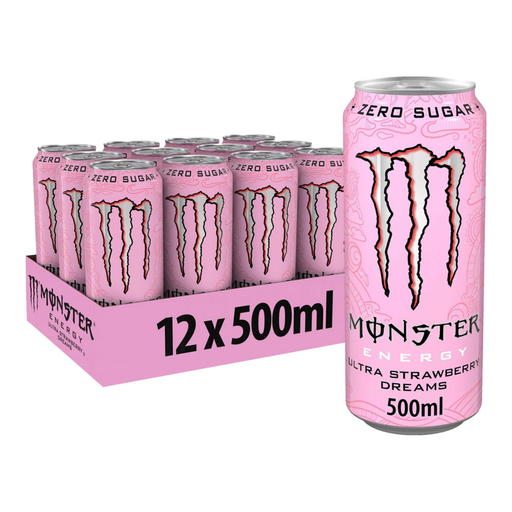
Why it suits this profile: For anyone looking for a sugar-free strawberry fizzy drink in a large format while consciously taking the caffeine content per can into account.
The product information lists both 0 grams of sugar and 150 mg of caffeine per can. This makes the difference between sugar-free and caffeine-free clear.
12 × 500 ml; sugar-free according to the product information; strawberry flavour with caffeine and sweeteners.
We have compiled a complete, up-to-date list of products that fully meet these strict selection criteria and the applicable European safety regulations.
Choose a multipack when you are serving several guests. Hatakosen Ramune Strawberry is available in a pack of 30 bottles of 200 ml. Fanta Strawberry Lemonade is offered as 12 cans of 355 ml. Check your storage space and preferred serving size in advance.
No. The flavour and sugar content vary from product to product. Ramune variants often contain sugar, while SPA Touch and Monster Energy Ultra Strawberry Dreams list no sugar according to the product information. Cantabile Strawberry Ade lists a low sugar content per 100 ml. Always compare the label, as “strawberry” on the packaging says nothing about the nutritional value.
Store unopened bottles and cans in a cool, dry place away from direct sunlight. Refrigerate opened drinks and seal the packaging securely. With glass Ramune bottles, follow the opening instructions and do not try to remove the glass marble. Always check the current best-before date and product information on the packaging before buying and consuming the product.
