
Vandaag of morgen in huis

Kwaliteit gegarandeerd

Welkomstaanbiedingen ontgrendelen: GRATIS bezorging | Tot 80% korting | Gratis 30 dagen JoyPlus-proefperiode
Download de app
A strawberry drink might seem easy to choose, but the options vary widely. Are you looking for strawberry juice to enjoy at home, strawberry squash for the kids, an Asian nata de coco drink or a bulk pack of strawberry drinks for a party? Flavour, ingredients and price per litre can differ considerably.
Look out for these three common pitfalls:
The right choice depends on when you want to enjoy it.
Start by checking the order of the ingredients. The ingredients listed first are generally present in the largest amounts. Water may be the main ingredient in a fruit drink, alongside fruit juice, sugar, flavouring or sweeteners.
For example, Mogu Mogu Strawberry lists 25% nata de coco. The drink also contains ingredients including sugar and fructose. This makes it a good option for anyone who enjoys the texture of coconut jelly, rather than someone looking for a smooth strawberry juice.
A smoothie may have a simpler recipe. According to the product information, Goodies Smoothie Strawberry Apple contains 80% apple purée and 20% strawberry purée, with no added sugar. It still contains naturally occurring sugars from fruit.
Always compare nutritional information per 100 ml. This lets you make a fair comparison between small bottles, multipacks and 1.5-litre bottles.
Volvic Touch of Fruit Strawberry lists 1 kcal and 0 grams of sugar per 100 ml. The ingredients list does include the sweeteners acesulfame K and sucralose. Slimpie Strawberry Squash also lists 0% sugar and calories on the product page, with a mixing ratio of 1+11. According to the product information, one 650 ml bottle can make up to around 8 litres of squash, depending on how much you pour.
A regular strawberry fizzy drink can contain considerably more sugar. Fanta Strawberry Lemonade lists 12.4 grams of sugar per 100 ml. That may be fine for an occasional treat, but it’s useful to know if you plan to serve the drink every day.
A 1.5-litre bottle is handy at home, but once opened, you’ll need to follow the storage instructions. Many drinks need to be kept chilled after opening and used within the stated period. Small cans or bottles are useful for parties, as you’ll have fewer leftovers.
When you see a strawberry drink special offer, check more than just the promotional price. Also compare:
Products containing nata de coco sometimes recommend shaking before use, as natural settling may occur. Always follow the information on the packaging, as it may vary between batches or pack sizes.
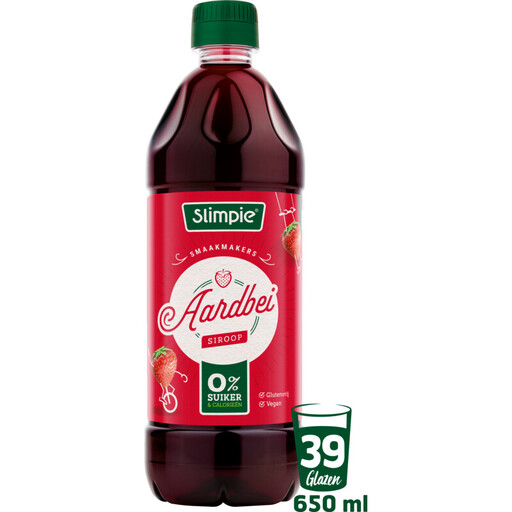
Why it suits this shopper: Buy one bottle of strawberry syrup and mix it with water at home. It’s a handy choice if you want to adjust the strength yourself and make several glasses.
The mixing ratio and nutritional information are listed, so you don’t have to rely on the front of the bottle alone.
According to the product information, it contains 0% sugar and calories; one bottle makes up to around 8 litres of squash at the stated mixing ratio.
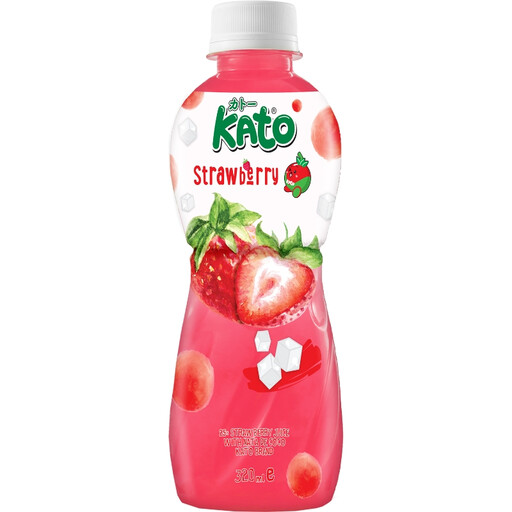
Why it suits this shopper: This small bottle combines strawberry flavour with nata de coco, making it a good choice for fans of Asian drinks with a distinctive texture.
The product description clearly highlights the combination of strawberry and nata de coco, so you know it isn’t a smooth juice.
320 ml per bottle; according to the product information, it is free from the 14 major EU allergens.
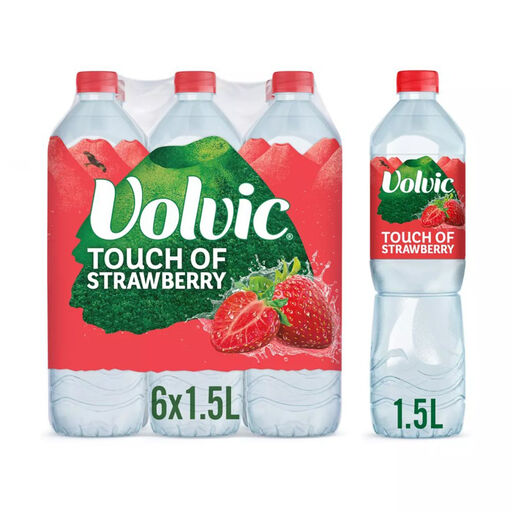
Why it suits this shopper: This large pack is ideal for families, offices and parties, or for anyone who regularly serves a light, sugar-free strawberry drink.
The nutritional information lists 1 kcal and 0 grams of sugar per 100 ml. The sweeteners are also clearly stated in the ingredients list.
Six 1.5-litre bottles; made with natural mineral water and a light strawberry flavour, according to the product description.
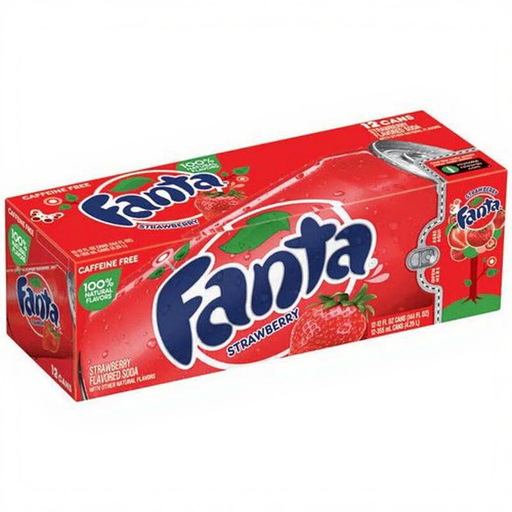
Why it suits this shopper: The cans are individually portioned, making them handy for guests, birthdays or keeping in the cupboard.
The multipack size and volume per can are clearly stated. The nutritional information lets you check the sugar content before ordering.
12 cans of 355 ml; fizzy and caffeine-free, according to the product description.
We’ve put together a complete, up-to-date list of products that meet these strict selection criteria and the current European safety regulations.
It depends on how you plan to use it. A bottle of strawberry syrup makes several glasses and lets you adjust the strength yourself. Cans or small bottles are more practical for a party. If you want to cut down on sugar, compare the nutritional information and check whether sweeteners have been used.
Always follow the storage and usage instructions on the packaging. Many drinks need to be kept in the fridge after opening and consumed within the stated period. The best-before date on an unopened product doesn’t automatically tell you how long it will keep once opened.
Not always. Divide the total price by the total number of litres, then compare the packaging, sugar content and shelf life. A bulk pack is most practical if you use the drink regularly or serve several people at once.
