
Vandaag of morgen in huis

Kwaliteit gegarandeerd

Welkomstaanbiedingen ontgrendelen: GRATIS bezorging | Tot 80% korting | Gratis 30 dagen JoyPlus-proefperiode
Download de app
Choosing a strawberry drink might seem straightforward, but there’s a wide range to choose from. Are you looking for a sweet fizzy drink, a fruity drink to enjoy on the go, a sugar-free strawberry drink or perhaps Japanese ramune in distinctive packaging? Product names and eye-catching claims can make it harder to compare your options.
Here are three common pitfalls to watch out for:
Not every strawberry drink is strawberry juice. Juice and fruit drinks usually state how much fruit or juice from concentrate they contain. By contrast, lemonade or strawberry fizzy drinks may consist mainly of water, acidity regulators, flavourings and sweeteners.
Look out for these differences:
A product description is useful, but the packaging is the best guide. When your order arrives, check the current ingredients, allergen information and best-before date.
If you want to buy a sugar-free strawberry drink, don’t just look at the front of the bottle. Check:
For example, Slimpie Strawberry Squash states 0% sugar and 0% calories and uses sucralose and acesulfame-K, among other ingredients. It may suit you if you want to limit the sugar in your drink, but it’s still important to read the full ingredients list.
The nutritional content can vary considerably in a regular sweet drink. Mogu Mogu Strawberry, for example, lists 7.6 grams of sugar per 100 ml. Hatakosen Ramune Strawberry lists 9.0 grams of sugar per 100 ml. Figures like these make it easier to compare different products fairly.
A multipack is practical for a family or party, while smaller bottles or individual portions are more convenient on the go. Also consider storage:
If you want to order strawberry drinks online, it’s worth checking the total quantity in each case, too. Two cases with the same product name may contain different volumes per bottle.
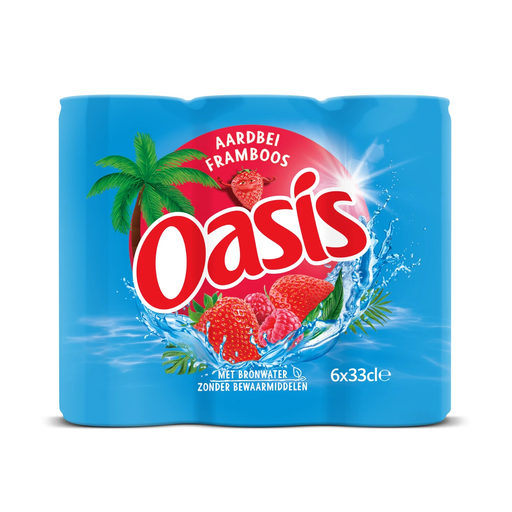
Why it suits this profile: The pack of six 330 ml bottles is a straightforward choice for a first purchase, a family get-together or a small gathering. The combination of strawberry and raspberry offers an alternative to a single strawberry flavour.
The set volume per bottle makes it easier to compare portions and price per litre. Be sure to check the current packaging for ingredients and nutritional information.
Six individual 330 ml bottles; easy to share and serve chilled.
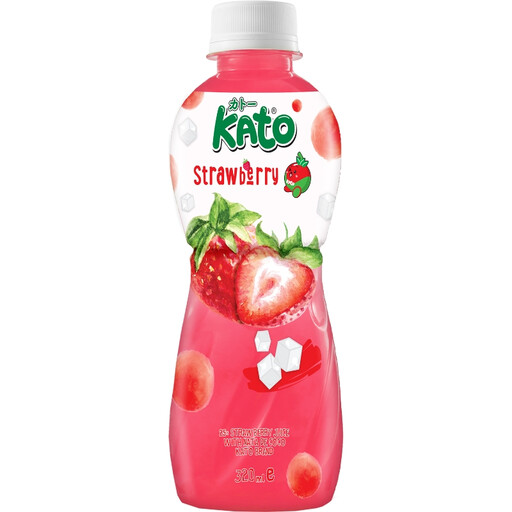
Why it suits this profile: This drink combines strawberry flavour with nata de coco. It’s a good match for fans of Asian drinks who want an unusual texture as well as great flavour.
The product description clearly states that it combines strawberry and nata de coco. So you’ll know in advance that it isn’t a smooth drink.
320 ml size; contains nata de coco; product information lists none of the 14 major EU allergens.
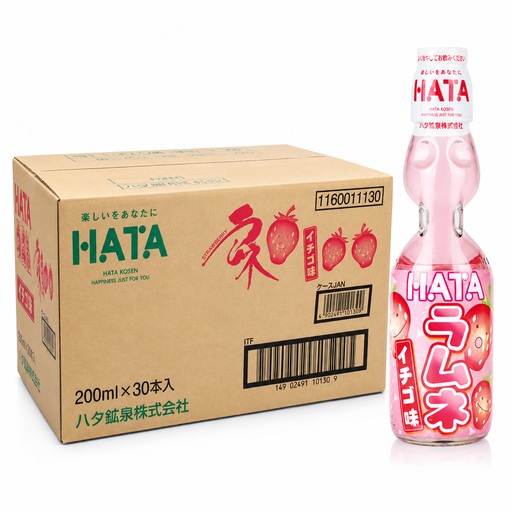
Why it suits this profile: The case of 30 200 ml bottles is ideal for parties, events and fans of Japanese strawberry drinks. The glass marble bottle makes opening it part of the experience.
The volume per bottle and number of bottles are clearly stated. Open the ramune on a flat surface and be aware that the bottle may be pressurised.
30 200 ml bottles; carbonated; Japanese ramune bottle with a glass marble.
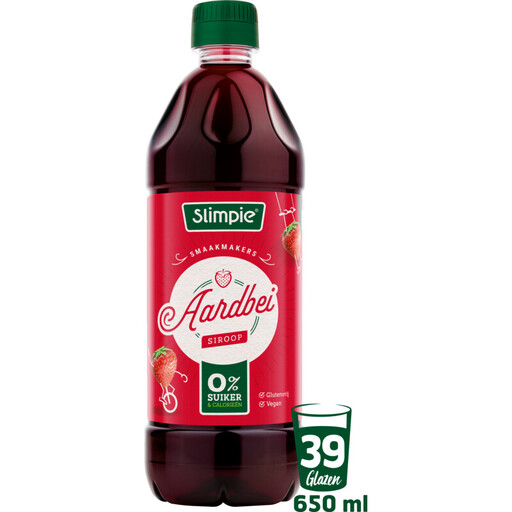
Why it suits this profile: This strawberry squash is designed to be mixed with water. According to the product information, the dilution ratio is 1+11, making up to around 8 litres of squash.
Following the recommended dilution ratio helps you avoid using too much squash. If you’re looking for a sugar-free strawberry drink, you can also see straight away that this product contains sweeteners.
650 ml squash; according to the product information, 0% sugar and calories; described as vegan and gluten-free.
We’ve put together a complete, up-to-date list of products that meet these strict selection criteria and comply with current European safety regulations.
Strawberry juice usually contains a stated percentage of strawberry juice or fruit juice from concentrate. Strawberry lemonade or strawberry squash is generally designed to be diluted and may contain flavourings and sweeteners. Check the label for the juice percentage and ingredients.
Always follow the instructions on the packaging. Many opened drinks need to be kept in the fridge and used within the stated period. Unopened bottles should usually be stored in a cool, dry place out of direct sunlight. If the drink contains nata de coco, you may need to shake it before use.
That depends on the price per litre, the volume of each bottle and how much you’ll actually use. A case of 30 small ramune bottles is handy for an event, while a bottle of squash can make more litres of drink. So compare the total volume, not just the pack price.
