
Vandaag of morgen in huis

Kwaliteit gegarandeerd

Welkomstaanbiedingen ontgrendelen: GRATIS bezorging | Tot 80% korting | Gratis 30 dagen JoyPlus-proefperiode
Download de app
A strawberry drink might seem straightforward to choose at first glance. Yet strawberry soda, strawberry juice, strawberry squash and cordial differ greatly in their composition, serving size and use. International varieties such as Japanese ramune strawberry, Korean strawberry drink and strawberry soda also often have different packaging and flavour experiences compared to British fruit drinks.
The biggest mistakes usually come down to three points:
Always compare the nutritional values per 100ml. This way you can fairly compare a small bottle, a can and diluted cordial side by side.
The reference products show clear differences:
Sugar-free strawberry drink therefore doesn't always mean no sweeteners are present. If you want to avoid sugar or certain sweeteners, it's a good idea to check the full ingredients list on the product page and packaging.
A strawberry juice or fruit drink may contain apple, grape or other fruit juices alongside strawberry. For example, Wicky states it contains 10% fruit juice from concentrate, of which 0.6% is strawberry. That makes it a fruit drink with strawberry flavour, not the same as pure strawberry juice.
With cordial, the dilution ratio is important. Raak Strawberry Lemonade Syrup states a ratio that means one bottle can yield around 6 litres of squash. DubbelFrisss states a ratio of 1:11 and around 8 litres of prepared drink. The exact taste and sweetness depend on how much water you add.
For everyday use, bottles of 500ml to 1.5 litres are often practical. For a birthday, barbecue or family, multipacks are more convenient. Pay attention to:
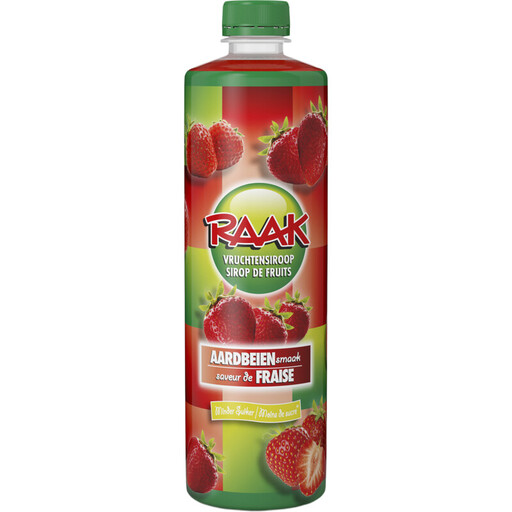
Why this fits the profile: A bottle of cordial is suitable when you want to decide the amount of strawberry squash yourself. According to the product information, one bottle can yield around 6 litres of drink.
The dilution ratio makes it clear roughly how much prepared drink you can make. Do check the amount of sugar and sweeteners on the label.
Vegan and gluten-free according to the product information; suitable for multiple glasses and easy to mix with water.
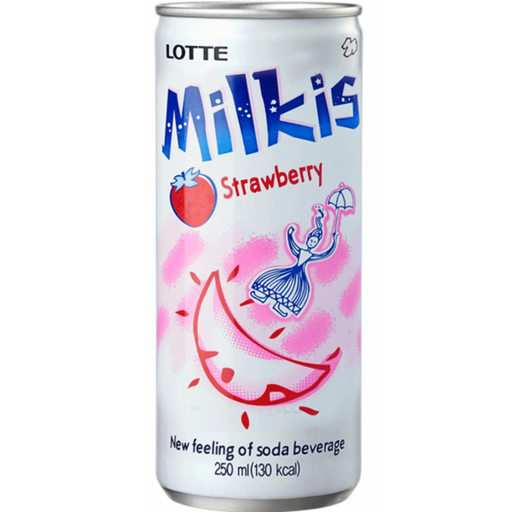
Why this fits the profile: This Korean strawberry drink is for those looking for a different flavour: fizzy with strawberry and milk aroma.
The combination of milk and soya is clearly stated in the allergen information. This means you can check in advance whether this drink suits your household.
250ml per bottle; 12g of sugar per 100ml according to the stated nutritional values; suitable as a chilled single serve.
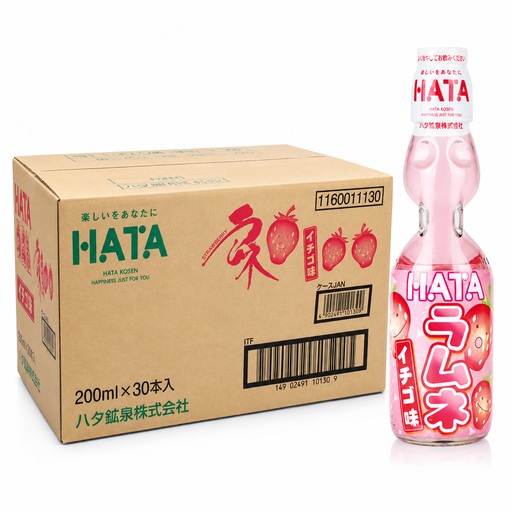
Why this fits the profile: A multipack of small bottles is perfect for parties, snack evenings and fans of Japanese drink culture.
The content per bottle is clearly 200ml. Open the ramune gently with the included opener and be aware of pressure and possible splashes.
30 bottles of 200ml; fizzy strawberry drink with the distinctive glass marble in the bottle neck.
We've put together a full, up-to-date list of products that fully meet these strict selection criteria and comply with current European safety regulations.
Strawberry juice or fruit drink contains fruit juice or concentrate. Strawberry soda is usually carbonated and can mainly consist of water, sugar, sweeteners, flavourings and acidity regulators. So look at the ingredients list and the fruit percentage, not just the picture of strawberries on the packaging.
Yes. Examples in the range are Volvic Touch of Fruit Strawberry and Teisseire Strawberry Raspberry Syrup. According to the stated nutritional information, Volvic contains 0g of sugar per 100ml. The ingredients list does mention sweeteners. With cordial, you also need to consider the nutritional value of the prepared drink.
Store opened drinks in the fridge and seal the bottle or packaging tightly. Follow the time stated on the label. Ramune is best drunk chilled straight away; when opening, handle the bottle gently to limit spillage from pressure. Always check the current packaging, ingredients and best-before date with every online purchase.
