
Vandaag of morgen in huis

Kwaliteit gegarandeerd

Welkomstaanbiedingen ontgrendelen: GRATIS bezorging | Tot 80% korting | Gratis 30 dagen JoyPlus-proefperiode
Download de app
A strawberry drink may seem simple to choose, but the range varies considerably. Are you looking for strawberry drink for a party, a bottle of strawberry water for when you’re out and about, or a sugar-free strawberry drink for everyday use? In that case, packaging, nutritional values and preparation method make more difference than a striking label might suggest.
The following three pitfalls are common:
The search term strawberry drink covers a range of different products:
Multipacks are practical for stocking the cupboard. For everyday use, syrup or larger packs may mean less packaging per glass, but always compare the price per litre after preparation.
Don’t just look for words such as “light”, “zero” or “fruit”. Compare the nutritional value per 100 ml. This allows you to make a fair comparison between strawberry soft drinks, strawberry juice and diluted squash.
Pay attention to these differences:
According to the product information, Slimpie Strawberry Squash contains 0 grams of sugar and 1 kcal per stated 100 ml of product, while Fanta Strawberry Lemonade lists 12.4 grams of sugar and 48 kcal per 100 ml. Exact values may vary by market or packaging, so check the current label before buying.
A short ingredients list does not always mean that a drink is free from sweeteners or preservatives. Therefore, check:
For an energy drink, the caffeine content is also important. According to the product information, Monster Energy Ultra Strawberry Dreams contains 150 mg of caffeine per 500 ml can. This makes it a different category from ordinary strawberry squash. Check the warnings on the label and take your own sensitivity to caffeine into account.
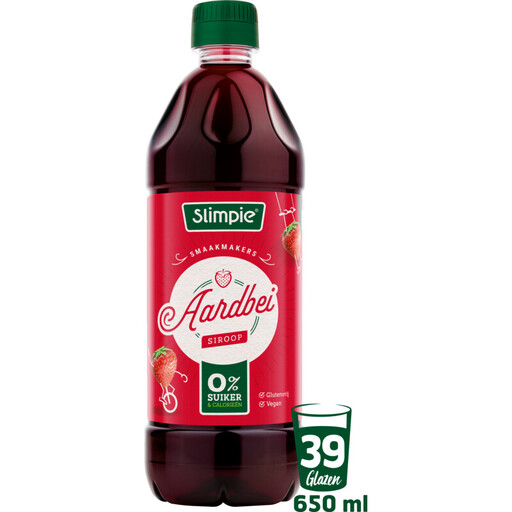
Why it suits this profile: The bottle is designed to be mixed with water. According to the product information, the 1+11 mixing ratio makes approximately 8 litres of squash, enough for around 39 glasses.
The product information clearly states 0% sugar and 0 calories. The ingredients list does include sweeteners and preservatives, so you know exactly what you’re buying.
0% sugar according to the product information, listed as vegan and gluten-free, a bottle made from 100% recycled plastic and suitable for sparkling water.
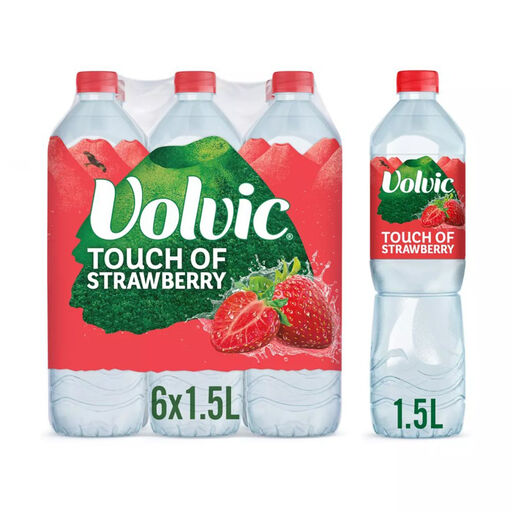
Why it suits this profile: This large pack is ideal for households looking for a subtle strawberry water flavour and wanting to stock up on several bottles at once.
The product is described as mineral water with strawberry flavour. The nutritional information lists 1 kcal and 0 grams of sugar per 100 ml, so it is not strawberry juice.
1.5 litres per bottle, 6 bottles per pack, 0 grams of sugar according to the product information and a subtle fruit flavour.
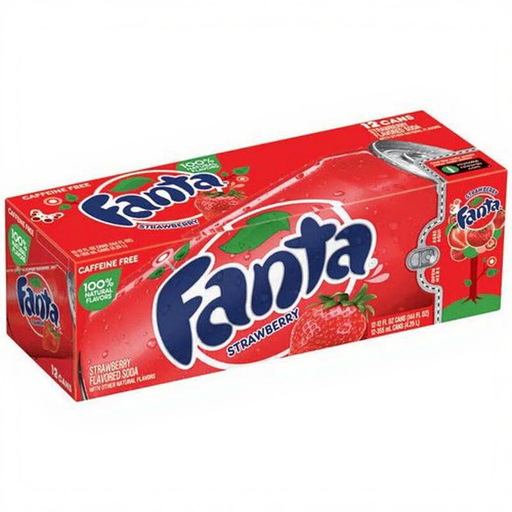
Why it suits this profile: A box of 12 355 ml cans is practical for parties, guests or keeping a regular supply at home.
The serving size and packaging are clear: 12 individual cans. There is no need to mix anything yourself, and you know in advance how much drink you are ordering.
12 x 355 ml, carbonated, caffeine-free according to the product description and ideal served chilled.
We’ve put together a complete, up-to-date list of products that fully meet these strict selection criteria and the applicable European safety regulations.
Fans of Asian flavours can choose a Japanese strawberry drink such as HATAKOSEN Ramune Strawberry or GENKI RAMUNE Strawberry Drink. These drinks are carbonated and come in a compact 200 ml bottle. The product information for HATAKOSEN states 47 kcal and 8.5 grams of sugar per 100 gram.
A Korean strawberry drink sometimes offers a different flavour profile. LOTTE Milkis Strawberry Soda combines strawberry flavour with a milky character and, according to the product information, contains milk and soya components. KATO Strawberry Juice with Nata De Coco adds a soft nata de coco texture. With these products, always check the allergen information and serving instructions on the packaging.
If you’re looking for a sugar-free option with a distinctive composition, you could also consider Aloe Vera Drink Strawberry Sugar-Free or Nexba Water Kefir Strawberry & Pear. For both products, it is advisable to check the ingredients, sweeteners and storage instructions on the current label. “Sugar-free” does not mean that every ingredient or taste preference is the same.
Strawberry juice generally contains fruit juice or juice concentrate. Strawberry squash is usually a flavoured drink made with water, sweeteners or sugar, and sometimes a limited amount of fruit juice. Check the fruit percentage and ingredients list to establish the difference.
This varies by brand and variant. The product information for Slimpie Strawberry Squash and Volvic Touch of Fruit Strawberry states 0 grams of sugar per 100 ml. Other variants, such as Fanta Strawberry Lemonade, do contain sugar. Always check the current nutritional information table.
Store an opened bottle according to the instructions on the label. Many products need to be refrigerated and used within the stated period. Close the cap securely and, preferably, consume a carbonated drink shortly after opening to preserve its fizz.
