
Vandaag of morgen in huis

Kwaliteit gegarandeerd

Welkomstaanbiedingen ontgrendelen: GRATIS bezorging | Tot 80% korting | Gratis 30 dagen JoyPlus-proefperiode
Download de app
A strawberry drink might seem simple to choose, but the range varies widely. You’ll find small cans, large bottles, syrup for making several litres, aloe vera drinks and Asian varieties with nata de coco or tapioca pearls. That means you might end up paying for a pack that doesn’t suit how you’ll use it, or expect strawberry juice when what you’re getting is mostly flavouring and sweeteners.
As a Joybuy Product Recommendation Officer, I focus on details you can check: volume, sugar content, fruit percentage, texture, packaging and recommended use.
The name strawberry lemonade or strawberry fizzy drink tells you little about the fruit content. Check the ingredients list. It may include fruit concentrate, flavouring or a combination of the two. According to the product information, Tropical Bubble Tea Strawberry contains 1% reconstituted strawberry juice, alongside 20% green tea and 6% pearls. That gives it a different flavour profile from a drink with a higher fruit content.
A sugar-free strawberry drink may contain sweeteners. That isn’t necessarily a problem, but it does affect the flavour and ingredients. Slimpie Strawberry Squash lists 0% sugar and 0% calories, while Raak Strawberry Lemonade Syrup is also described in the product information as containing no sugar or calories. Always check the nutrition table and ingredients list rather than relying on the front of the packaging.
Also note the difference between a zero-sugar strawberry drink that’s ready to drink and a syrup that you need to dilute first. With syrup, the final sugar and calorie content depends on the mixing ratio.
A box of 20 or 30 bottles can be handy for a party or catering, but you’ll need space to store it. Product labels generally recommend refrigerating opened bottles and drinking them within the stated period. So check the serving size, shelf life and how many people you’re buying for.
Compare the nutritional values per 100 ml, not just per bottle. This lets you make a fair comparison between a 500 ml bottle and a 235 ml can. Check the:
A sugar-free strawberry drink may suit you if you want to limit sugar, but the sweeteners used may still matter to your personal preferences. If you’re after a more classic lemonade flavour, you could choose a regular strawberry lemonade or syrup instead.
A ready-to-drink option is convenient for travelling, lunch or a party. Syrup takes a little more preparation, but may work out cheaper per glass and takes up less space before opening.
According to the product information, Slimpie Strawberry Squash has a mixing ratio of 1+11, making up to around 8 litres of drink from one 650 ml bottle. The 750 ml bottle of Raak Strawberry Lemonade Syrup is intended to make around 6 litres of lemonade. Follow the ratio on the label when mixing: adding too much syrup changes both the flavour and the nutritional values per glass.
A 200 ml bottle of ramune is a small, fizzy serving with a distinctive glass marble in the top. A one-litre bottle of Mogu Mogu makes more sense for enjoying at home. Nata de coco gives the drink a chewy texture, so it’s not comparable to ordinary strawberry juice or strawberry fizzy drink.
For multipacks, also check whether the packaging is returnable or subject to a deposit. Product information for some varieties states that a deposit may apply in the Netherlands. Always check the current product page and packaging.

Why it suits this profile: This bottle is intended for dilution and, according to the product information, makes around 8 litres of lemonade. It’s a good fit for families who want to pour several glasses without buying lots of individual bottles.
The mixing ratio is stated, so you can estimate how much it will make and how you’ll use it, rather than judging by bottle size alone.
According to the product information, 0% sugar and calories; vegan and gluten-free; suitable for still or sparkling water.
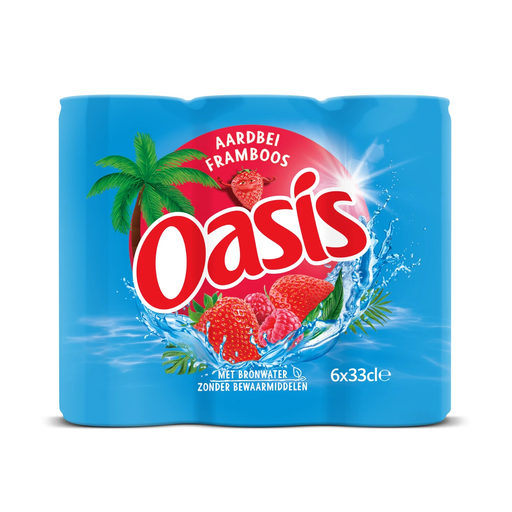
Why it suits this profile: The six individual 330 ml packs are easy to hand out at work, school or when you have visitors.
The fixed multipack makes the total quantity clear, so there’s no need to combine individual servings.
330 ml per pack; strawberry and raspberry flavour; ready to drink.
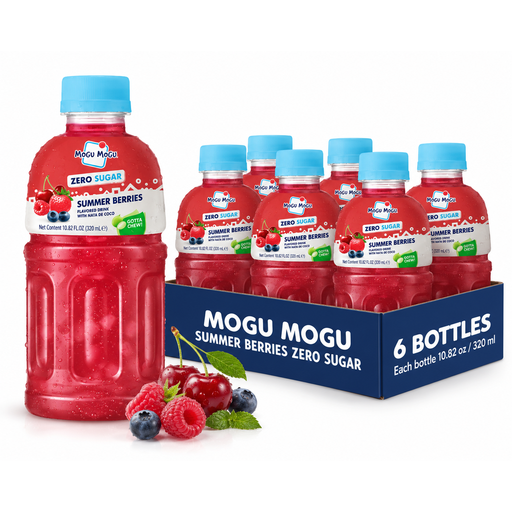
Why it suits this profile: This Asian strawberry drink combines a mixed-berry flavour with nata de coco. It’s a good choice if you enjoy an unusual texture and smaller servings.
The product information explicitly states that it contains 15% nata de coco and is sugar-free. So you’ll know in advance that it isn’t a smooth juice.
320 ml per bottle; sugar-free according to the product information; contains nata de coco and is made in Thailand.
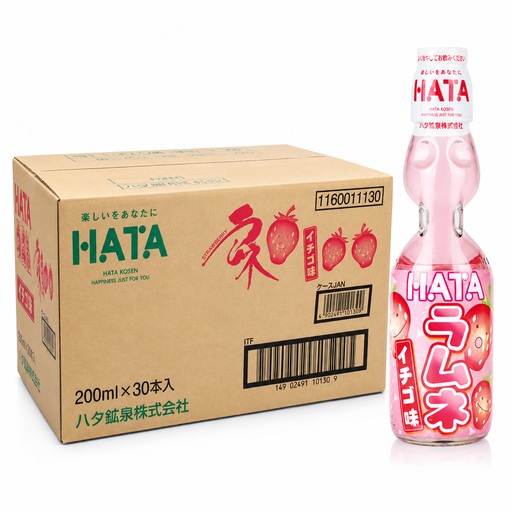
Why it suits this profile: The glass marble in the bottle and the small serving size make this strawberry ramune a good choice for parties, treats and anyone who enjoys Japanese-style presentation.
The instructions are clearly described: use the opener to push the marble inside, then serve chilled.
200 ml per bottle; carbonated; 30 bottles per box; 9,0 g sugar per 100 ml according to the product information.
We’ve put together a complete, up-to-date list of products that meet these strict selection criteria and the applicable European safety regulations.
Store unopened bottles according to the label, usually in a cool place away from direct sunlight. Refrigerate opened drinks and check the recommended time to consume them after opening. Only shake a drink if the packaging recommends it. With Mogu Mogu, a gentle shake can help distribute the nata de coco throughout the drink.
Serve ramune and regular strawberry fizzy drinks chilled. You can mix syrup with still or sparkling water. With bubble tea, the pearls and tea give the drink a different texture from standard strawberry lemonade.
No. Strawberry juice contains juice or concentrate, while a strawberry drink may consist mainly of water, flavouring, sweeteners or sugar. Check the fruit content and ingredients list to see the difference.
Examples from the range include Slimpie Strawberry Squash, Raak Strawberry Lemonade Syrup and MoGu MoGu Zero Summer Berries. Always check the current packaging, nutrition table and ingredients, as these can vary between varieties.
It varies by product. As a rule, refrigerate an opened bottle and follow the time limit on the label. Syrup may keep for longer after opening than a ready-to-drink option, but always follow the packaging instructions.
