
Vandaag of morgen in huis

Kwaliteit gegarandeerd

Welkomstaanbiedingen ontgrendelen: GRATIS bezorging | Tot 80% korting | Gratis 30 dagen JoyPlus-proefperiode
Download de app
A strawberry drink can be many things: a still fruit drink, strawberry soft drink, strawberry juice, strawberry soda or a Korean drink with a milky flavour. The front of the packaging often focuses mainly on the strawberry, while important differences can be found in the ingredients list, nutritional values and pack size.
So keep an eye out for three common pitfalls:
First, check where the strawberry flavour comes from. The ingredients list may include:
A strawberry-flavoured product is not the same as pure strawberry juice. For example, according to the product information, Wicky Strawberry Juice contains 10% fruit juice from concentrate, including 0.6% strawberry. The drink also contains sugar and fructose syrup. That makes it a fruit drink, not juice made exclusively from strawberries.
Nutritional values per 100 ml make it easier to compare products. It is then useful to look at the total pack size. A 355 ml can containing 12.4 grams of sugar per 100 ml works out at around 44 grams of sugar per can. A 200 ml bottle containing 8.2 grams of sugar per 100 ml contains around 16 grams of sugar.
If you are looking for less sugar, consider a sugar-free strawberry drink or a variety made with sweeteners. For example, Wicky Raspberry Fruit Drink is not a strawberry drink but a raspberry drink. According to the product information, this variety contains less than 0.1 grams of sugar per 100 ml and 1 kcal per 100 ml. When choosing a drink for children or adults, always check the full ingredients list and the label.
A 1.5-litre bottle is suitable for use at home and can be kept chilled after opening. Small bottles and cans are convenient for individual servings. For an event, shop, office or club, multipacks are often easier to plan for.
When it comes to Japanese ramune, also pay attention to the bottle. The glass marble is part of the opening mechanism. HATA Strawberry Ramune states that it should be opened on a flat, stable surface and recommends supervision when young children are present. Always follow the warnings on the packaging.
The selection below is based on verifiable information such as volume, packaging, ingredients and nutritional values. Taste is a personal matter. Product packaging may change, so check the current label when purchasing.
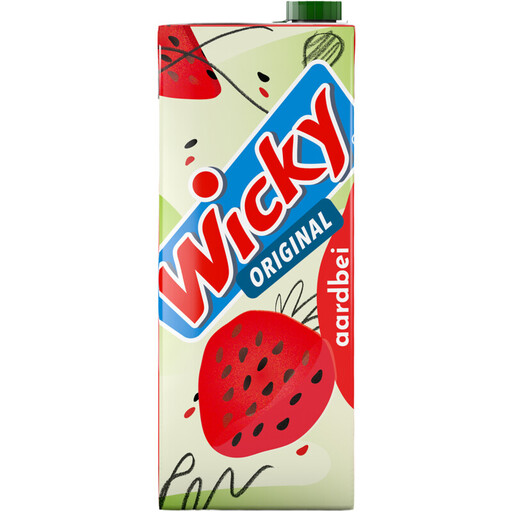
Why it suits this profile: The 1.5-litre bottle is suitable for use at home and for sharing. According to the product information, the drink contains 24 kcal and 5.7 grams of sugar per 100 ml.
The volume and nutritional values are clearly stated. Describing it as a fruit drink prevents you from mistaking it for pure strawberry juice.
1.5 litres per pack; according to the product description, with no artificial sweeteners, colourings or flavourings.
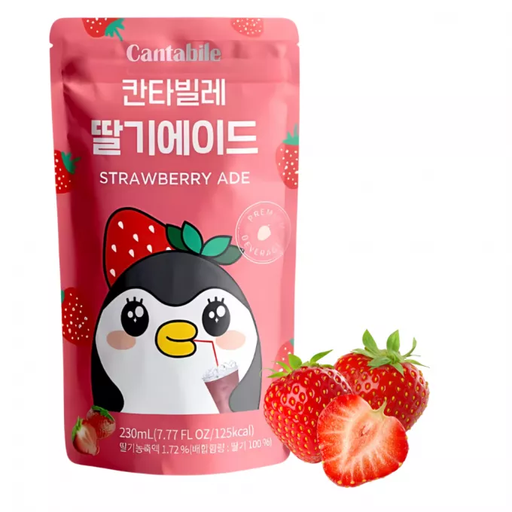
Why it suits this profile: This Korean strawberry drink comes in a handy 230 ml format and, according to the product description, is best served chilled. The nutritional information states 1.02 grams of sugar per 100 ml.
The low sugar value per 100 ml is listed alongside the ingredients. The drink is not presented as pure juice.
Origin: South Korea; 230 ml per bottle; ingredients including strawberry juice concentrate, flavouring and sweeteners.
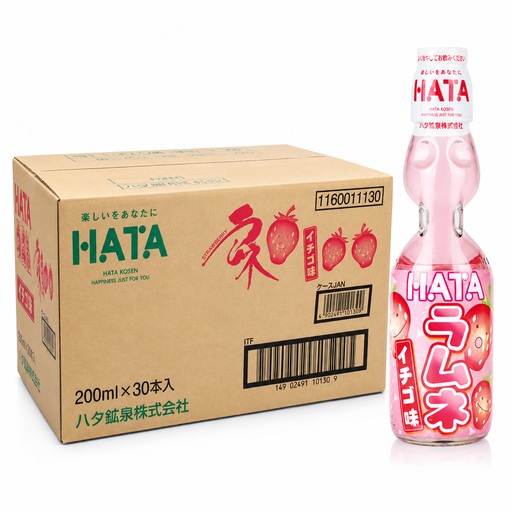
Why it suits this profile: This Japanese strawberry ramune comes as a multipack of 30 200 ml bottles. The pack size makes it suitable for parties, business buyers and fans of exotic soft drinks.
The volume per bottle and total number of bottles are clearly stated. The nutritional information lists 9 grams of sugar per 100 ml.
30 servings of 200 ml; carbonated; glass bottle with marble mechanism; origin: Japan.
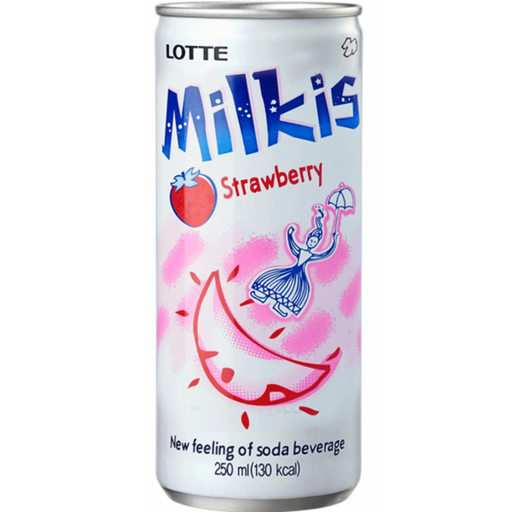
Why it suits this profile: According to the product information, this Korean strawberry soda combines strawberry flavour with milk powder and carbonation. The 250 ml format is suitable for an individual serving.
The product description identifies milk and soya as allergens. This allows you to choose appropriately when serving people with food allergies.
250 ml per bottle; carbonated; 12 grams of sugar and 50 kcal per 100 ml according to the stated nutritional values.
We have put together a complete, up-to-date list of products that fully meet these strict selection criteria and the applicable European safety regulations.
A strawberry drink may contain water, sugar, sweeteners, flavourings and a limited amount of fruit juice. Strawberry juice consists of juice, which may be made from concentrate, but you should check the legally required product name and the ingredients list. The front of the packaging is not enough to determine this.
Compare the nutritional values per 100 ml. The range includes both standard soft drinks and varieties made with sweeteners. According to the product information, Wicky Raspberry Fruit Drink contains less than 0.1 grams of sugar per 100 ml, but it has a raspberry flavour and is therefore not a strawberry drink. A strawberry variety may have a different composition.
Store an opened bottle according to the label, usually tightly sealed in the fridge, and use the drink within the stated period. Keep unopened drinks in a cool, dry place away from direct sunlight. With ramune bottles, also follow the specific opening instructions and warnings on the packaging.
