What should you look for when buying?
Start with the shape that lets you create a bend. Then compare the temperature controls and check that the cord, resting options and automatic shut-off suit your bedroom set-up.
| Question to ask |
What should you check? |
Who is this most important to? |
| Creating loose waves |
A rounded casing or plates, or a design with a described technique for creating waves; also check the model instructions. |
I mainly want to create loose waves, so I look at the shape and the movement the model requires. Around 40% of consumers put the shape of the wave first. |
| Adjusting the heat |
Compare adjustable settings with a fixed temperature, and follow the instructions for your chosen model. |
If I want to adjust the heat, I’d rather compare the available settings than focus only on the highest temperature. Around 30% of consumers give heat control top priority. |
| Practical styling in the bedroom |
Check the cord length and the features for resting the straightener and switching it off; make space for a suitable resting place yourself. |
If the mirror is not near a socket, I want to know in advance whether the cord and resting place will work for me, and whether the straightener switches itself off after use. Around 20% of consumers put practical bedroom use first. |
| Accessories and your rights after purchase |
Check which accessories are included and read the seller’s terms alongside your statutory rights. The Dutch Government states that the Netherlands has no fixed statutory warranty period. |
Before choosing, I want to know what’s included and who to contact if the straightener turns out to be faulty. Around 10% of consumers give these purchase and aftercare questions top priority. |
Joybuy products
This selection is for anyone who wants to adjust the heat and, when styling in the bedroom, take the cord and storage into account too.
 No image available
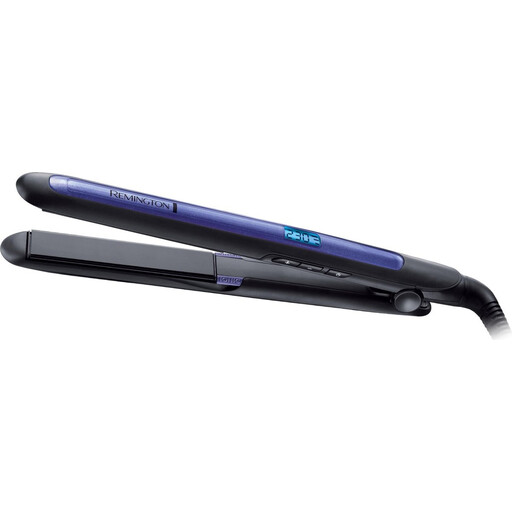
Remington S7710 straightener with Pro-Ion Technology, ceramic plates and adjustable heat
This model is a good fit if you want to adjust the temperature while styling.
According to the product description, the appliance switches off automatically after 60 minutes; switch it off yourself after use. Check the CE marking on the specific appliance before buying.
View at Joybuy
Frequently asked questions
How do you create a soft wave with a straightener?
For the S6606, Remington recommends placing a larger section of hair between the plates, turning the straightener 180° and slowly moving it downwards. This is a manufacturer’s technique for a specific model, not a guarantee of the same result with every straightener.
Is a higher maximum temperature better for loose waves?
No, a higher maximum temperature doesn’t determine which setting is right for your hair. Remington lists a range of 150–230 °C for the S6700, while BaByliss gives five settings between 150–235 °C for the ST482E; ghd lists a fixed temperature of 185 °C for the Gold. Research on hair fibres, published in the Journal of Cosmetic Dermatology via PubMed, highlights the importance of temperature control. Follow the instructions for your chosen model.
Is automatic shut-off enough when I style my hair in the bedroom?
No, don’t rely on automatic shut-off as immediate protection. Remington says the S6700 switches off after 60 minutes, while ghd gives 30 minutes of inactivity for the Gold. Switch the straightener off yourself after use and rest it in a suitable place.
Which marking should I check before buying?
The Netherlands Food and Consumer Product Safety Authority states that a new electric straightener placed on the market in the Netherlands must carry the CE marking. Check the marking on the specific product being offered; information in a buying guide doesn’t confirm it for an individual item.
What can I do if my straightener turns out to be faulty during normal use?
If a product bought in the Netherlands is faulty, the seller must resolve the problem according to the Dutch Government. There is no fixed statutory warranty period; what you can expect depends, among other things, on the product and the cause of the fault.


