
Vandaag of morgen in huis

Kwaliteit gegarandeerd

Welkomstaanbiedingen ontgrendelen: GRATIS bezorging | Tot 80% korting | Gratis 30 dagen JoyPlus-proefperiode
Download de app
A sudden downpour, a harsh gust of wind, and there you are again with an inverted, broken umbrella. Sound familiar? A cheap umbrella is often a poor investment. It won't survive the first serious gust and rarely provides the protection you actually need.
This article serves as a practical guide. We'll explore the specifications that make an umbrella reliable, helping you choose a model that can withstand more than just a light drizzle. We will highlight several popular choices designed for durability and functionality, in both rain and sun.
Before making a choice, it's helpful to know which features make an umbrella truly functional. Pay attention to the following three points.
The backbone of any wind-resistant umbrella is its frame. Models with ribs (the 'spokes' of the umbrella) made from fiberglass or an aluminum alloy offer a great balance of flexibility and strength. Unlike traditional metal frames, which can bend or break in a strong gust of wind, these materials are designed to flex and return to their original shape. This prevents the umbrella from inverting and becoming unusable.
No one wants to lug around a clumsy, oversized umbrella. A compact umbrella or a folding umbrella that fits easily into your bag or coat pocket is ideal for daily use and travel. Pay attention to the weight. A lightweight umbrella is more pleasant to carry, but check that this doesn't compromise the frame's sturdiness. A good travel umbrella combines low weight with a durable construction.
More and more umbrellas now offer UV protection in addition to shielding you from the rain. A UV umbrella with a special coating is a smart choice for those with sensitive skin or who simply want to stay cool on a sunny day. Look for the UPF (Ultraviolet Protection Factor) rating. A UPF 50+ rating means the fabric blocks over 98% of UV rays. This gives you a single umbrella for sun and rain, all year round.
Based on clear product specifications, we have selected several models that stand out for their design and functionality.
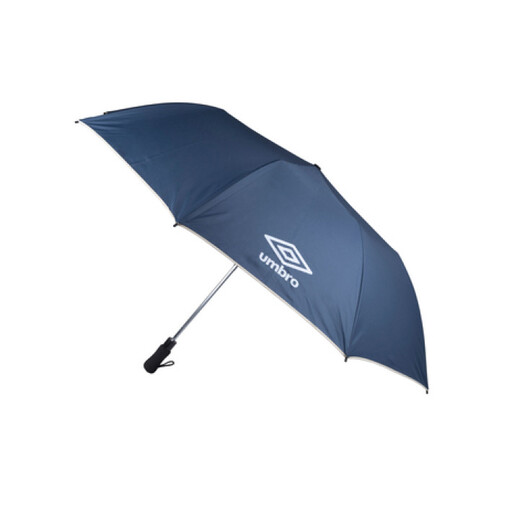
Why it stands out: This set from Umbro is all about practicality. You receive five umbrellas in random colours, ensuring you always have one on hand: in the car, in your work bag, or by the front door. It's a no-nonsense solution for the whole family.
Pros:
Who is it for? Ideal for families or for anyone who likes to keep a spare umbrella in multiple locations. It's a practical and affordable choice for everyday use.

Why it stands out: The Beneunder BM666 is designed with maximum portability in mind. With its "card-style" flat design and a weight of just 170 grams, this is an extremely compact umbrella. It fits effortlessly into a small handbag or even a coat pocket.
Pros:
Who is it for? Perfect for the daily commuter, traveller, or anyone looking for a reliable, lightweight umbrella that takes up hardly any space.
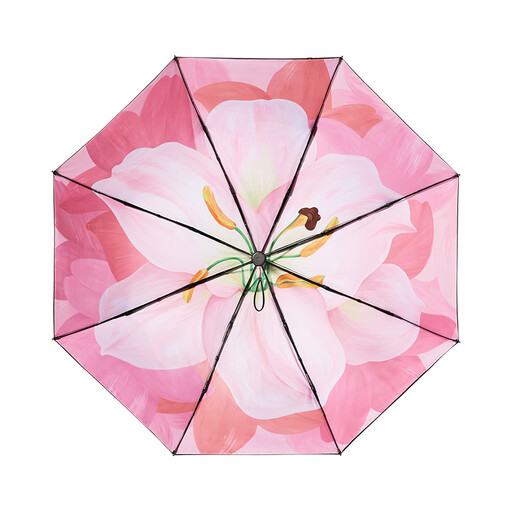
Why it stands out: This model from Beneunder focuses on maximum protection. With a large 99 cm diameter canopy, it offers complete coverage from rain and sun. The double-layer construction and high UV protection make it suitable for intense weather conditions.
Pros:
Who is it for? Suitable for those seeking maximum coverage and superior protection from both harsh sun and heavy rain. A great choice for longer walks or for anyone who wants to leave nothing to chance.
The right umbrella is a personal choice, depending on your lifestyle and priorities. If you have specific requirements, such as advanced UV protection or a unique design, there's more to discover.
Check out our full collection of UV umbrellas for more options that protect you from sun and rain.
The term 'storm umbrella' isn't an official classification but generally refers to an umbrella with reinforced features. These include a sturdy and flexible frame (often made of fiberglass), a windproof or double-layered canopy that allows air to pass through to prevent inverting, and an overall robust construction designed to withstand strong gusts of wind.
A higher price often correlates with the materials and technology used. More expensive models frequently use lightweight and strong materials like fiberglass and aluminum, and feature advanced coatings for things like UV protection. Whether it's 'better' depends on your needs. For daily, intensive use, investing in a more durable model can be more cost-effective in the long run.
The most important thing is to always let the umbrella dry completely open after use. Never fold it up while wet, as this can lead to mildew and can damage the fabric's water-repellent capabilities. Once dry, store the umbrella in its included sleeve to protect the canopy and mechanism.
