What to consider when choosing
First decide when you plan to eat the soup and whether chilling it will keep it within its recommended storage time. Then compare the usable freezer space, how well the appliance will fit in your kitchen and the energy consumption of models that are the right size.
The Netherlands Nutrition Centre recommends eating leftovers within two days, setting your fridge to 4 °C and cooling soup quickly before storing it in a sealed container.
| What to consider |
What to look for when buying |
Who is this important for? |
| Safe storage time |
Start counting from the day you make the soup. Check that your fridge is set to 4 °C and that you can cool and store the soup quickly in a sealed container. |
If I’m serving soup later in the week, I want to know whether I can keep it chilled or need to freeze it in good time. Around 36% of consumers give safe storage time the highest priority. |
| Freezer space for portions |
Compare the size of your containers with the drawers and shelves, rather than looking only at the stated capacity in litres. Check whether the model has NoFrost if you want to spend less time defrosting. |
When I freeze soup in sealed portions to eat later, I want my containers to fit comfortably in the freezer. Around 29% of consumers prioritise usable freezer space for portions. |
| Annual energy consumption |
For models that are the right size, compare both the energy label and the stated consumption in kWh per year. An energy rating is not the same as absolute annual consumption. |
If I’m choosing an appliance that stays on all the time, I want to factor in its annual consumption without choosing more capacity than I need. Around 21% of consumers say energy consumption is their main concern when choosing. |
| Positioning and layout |
Measure the space where the appliance will go and the route to get it there. Check the height, width, depth, door opening and layout of the exact model. |
When space in my kitchen is limited, I want an appliance that fits and has room for my shopping and soup containers. Around 14% of consumers prioritise how well an appliance will fit in their kitchen. |
Fridge-freezers for soup portions
These Joybuy products are fridge-freezers for anyone who wants to freeze soup in portions. Check the dimensions and layout of the exact model against your own containers and the space available in your kitchen.
 No image available
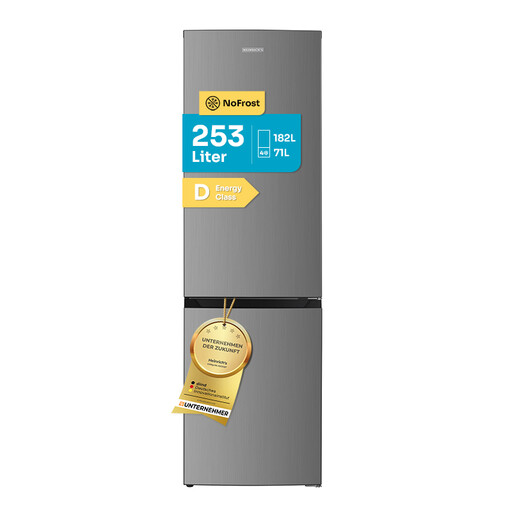
Heinrich’s fridge-freezer, 253 l, stainless steel
A fridge-freezer for anyone who wants to freeze soup portions. The product name lists 182 l of fridge space and 71 l of freezer space.
Total capacity: 253 l. No Frost. Noise level: 39 dB.
View at Joybuy
 No image available
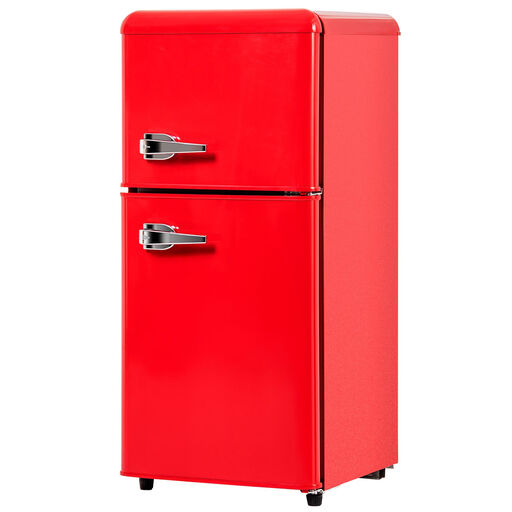
Retro fridge-freezer, red
A retro fridge-freezer to consider if you want to freeze soup portions and take the stated annual energy consumption into account.
Energy class E. Stated consumption: 102 kWh per year.
View at Joybuy
 No image available
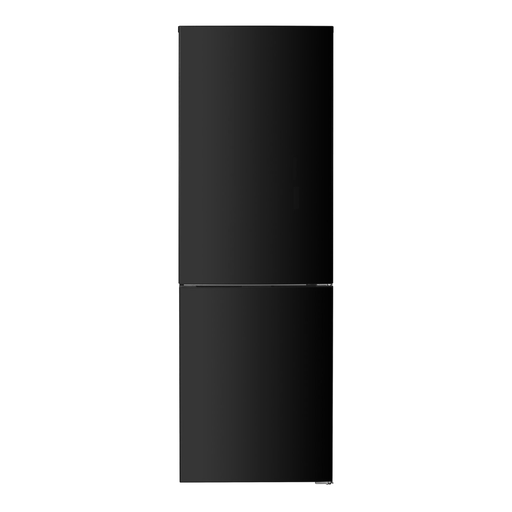
Exquisit KGC295-80-NF-041EB, black
This model is worth comparing if you want No-Frost and a stated total capacity of 293 l.
Total capacity: 293 l. No-Frost. Energy class E.
View at Joybuy
 No image available
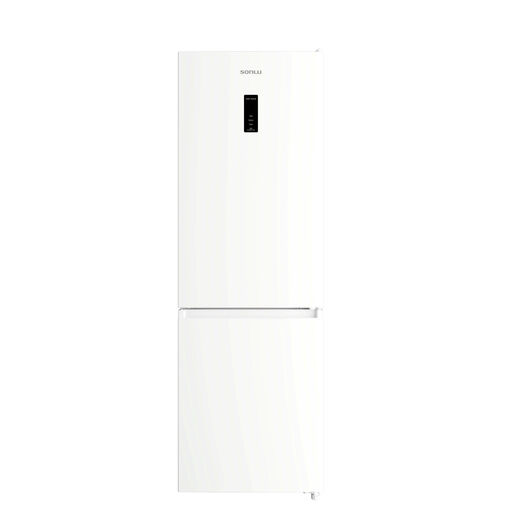
Sonlu CD-350RW fridge-freezer, 310 l
Worth comparing if you need freezer space for portions and want to match the door opening direction to your kitchen.
Fridge space: 211 l. Freezer space: 99 l. Width: 60 cm. Reversible door. Energy class E.
View at Joybuy
 No image available
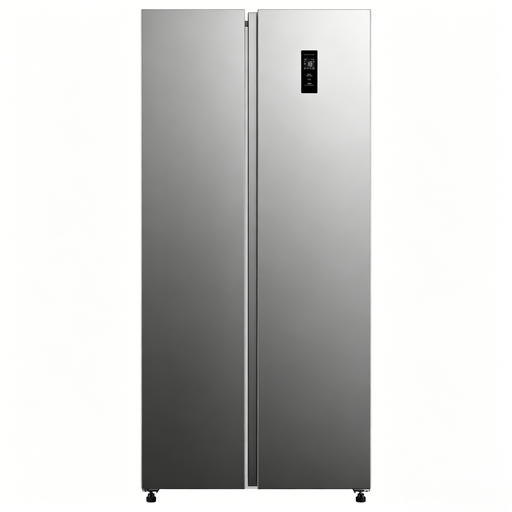
Sonlu CC-520WE side-by-side fridge-freezer
A side-by-side model to compare if you want to store several portions and have room for its stated width.
Total capacity: 444 l. Fridge space: 276 l. Freezer space: 168 l. Width: 83 cm. No Frost. Noise level: 40 dB. Energy class E.
View at Joybuy
Frequently asked questions
Can soup made earlier in the week stay in the fridge until Saturday?
Only if Saturday falls within two days of making the soup, and it has been cooled quickly and stored at 4 °C. If lunch is later, freeze the soup in good time. The Netherlands Nutrition Centre recommends eating chilled leftovers within two days.
How should I defrost and reheat frozen soup?
The Netherlands Nutrition Centre recommends defrosting frozen soup covered in the fridge. You can also use the defrost setting on a microwave. Then heat the soup thoroughly until piping hot, stirring it well.
What should I consider besides energy consumption when it comes to costs and the guarantee?
Compare the stated consumption in kWh per year for models that are the right size for you. According to the Dutch Government, there is no fixed statutory guarantee period in the Netherlands. If a product doesn’t meet the terms of the agreement, you can contact the seller.
What rules apply when buying online and replacing a fridge?
For cooling appliances covered by EU energy labelling rules, the energy label must also be clearly visible online. If you’re buying a new, similar appliance as a private individual, the seller must take your old appliance away free of charge under the Dutch take-back scheme. This also applies to online purchases.


