
Lunch planner with a working fridge
Wants to keep grapes fresh for a few days and first check whether their current fridge has enough room and keeps food cool.


If your current fridge is working well and has room for the grapes, you don’t need to buy a new appliance for a single weekend lunch. The Netherlands Nutrition Centre recommends keeping grapes in the fridge for 1–2 weeks; if you’re also buying a fridge for everyday use, consider the space available, whether you need a freezer compartment, where it will go and its annual energy consumption.
Wants to keep grapes fresh for a few days and first check whether their current fridge has enough room and keeps food cool.
Is also looking for a compact fridge for everyday use that can hold grapes and the usual groceries.
Is looking for an appliance for everyday use and weighing up fridge space, freezer space and energy consumption.
A good fit if: the fridge keeps food cool and you can put the grapes inside without crushing them.
Trade-off: you avoid buying a new appliance, but you’ll need to check the temperature and the grapes.
A good fit if: you need extra fridge space, have limited room and don’t need extra freezer space.
Trade-off: an under-counter model takes up less space, but usually offers less fridge space than a tall model.
A good fit if: you need both a fridge and a separate freezer compartment for your usual groceries.
Trade-off: compare the fridge and freezer capacities separately; you don’t need a freezer compartment to keep grapes for lunch.
A good fit if: the appliance needs to fit into an existing kitchen unit behind a cabinet door.
Trade-off: check the niche dimensions and door-panel fixing system before choosing a model.
The Netherlands Nutrition Centre recommends setting your fridge to 4 °C and says grapes keep for 1–2 weeks in the fridge, compared with 3–4 days in a fruit bowl. Check the grapes for shrivelling and mould before serving.
| What to consider | What should you check? | Who is this important to? |
|---|---|---|
| Keeping grapes | Check your current fridge first; check the temperature and whether the bunch will fit without being crushed. | I want to check whether my working fridge is suitable for this lunch before buying an appliance just for the grapes. Around 36% of consumers prioritise making use of existing fridge space. |
| Space in a small kitchen | Measure the available space and compare the model’s external dimensions, fridge capacity and layout. | If my kitchen is short on space, I want to know whether it can hold both the grapes and my usual groceries. Around 29% of consumers prioritise a compact fit and usable fridge space. |
| Fridge and freezer space | Compare the fridge and freezer capacities separately, and check that the whole appliance will fit where you plan to put it. | As well as space for the grapes, I’m looking for a freezer compartment for everyday use. Around 21% of consumers prioritise having both fridge and freezer space. |
| Energy consumption | For the exact model, compare the EU energy rating and stated annual consumption in kWh, as well as the capacity you need. | For long-term use, I want to weigh up energy consumption alongside the space I need. Around 14% of consumers prioritise comparing annual consumption. |
If your current fridge works well and has room, it may be perfectly suitable for grapes waiting a few days for lunch.
Check the available space and temperature first. Only buy an appliance if you also need extra fridge capacity or a replacement for other reasons.
An extra appliance also means ongoing electricity consumption.
A freezer compartment serves a different purpose from keeping grapes chilled. A brand’s claim that food stays fresh for longer doesn’t prove that grapes will keep for longer until this weekend’s lunch.
Choose a freezer compartment only if you need one for other groceries, and assess the available fridge space separately.
External dimensions and suitable ambient temperatures vary by model; a cold shed may not be suitable for some appliances.
Measure the available space and check the climate class and guidance for the exact model.
An unsuitable location could mean changing the set-up or finding somewhere else for the appliance.
The KK55EXP is a compact under-counter model without a freezer compartment, for anyone looking for extra fridge space.
The KKV856WIT is a freestanding under-counter model without a freezer compartment, with a drawer for fruit and vegetables.
The KGN33NLEB is a freestanding fridge freezer for anyone who needs both functions.
The RBc 5220 is a larger freestanding fridge with BioFresh, aimed at households that also store other fresh food.
The selection below includes built-in fridges and fridge freezers for anyone who needs everyday fridge or freezer space as well as room for the grapes.
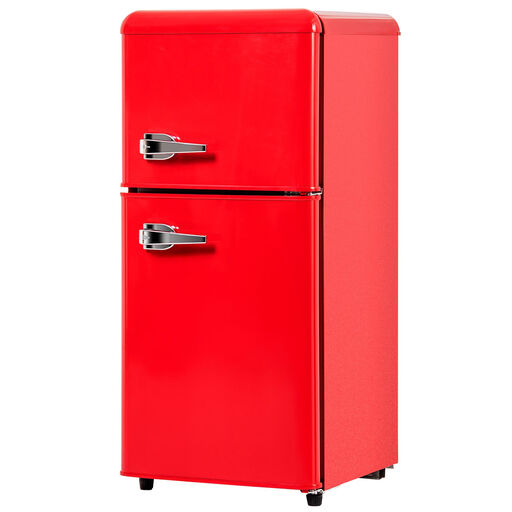 No image available
An option if you’re looking for a separate freezer compartment as well as fridge space.
Total capacity: 60 litres; freezer capacity: 22 litres. Energy consumption: 102 kWh per year. Energy class E. Red finish with LED lighting.
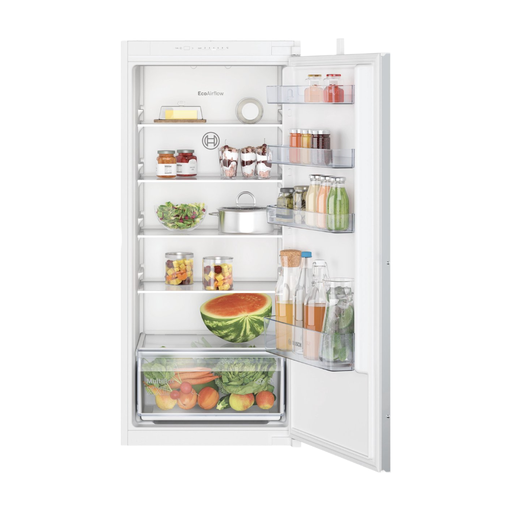 No image available
A built-in option if you need a fridge behind a cabinet door.
Built-in model with a sliding-door system. Check that the niche and door fixing system suit your kitchen.
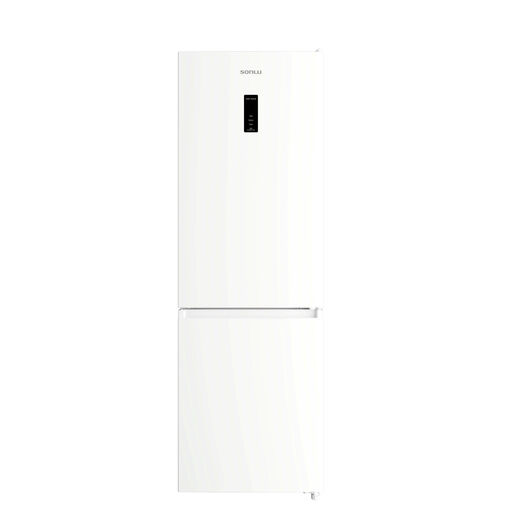 No image available
An option if you need both fridge and freezer space for everyday use.
Total capacity: 310 litres; fridge capacity: 211 litres; freezer capacity: 99 litres. Width: 60 cm. Features an inverter compressor, reversible door and electronic temperature control. Energy class E.
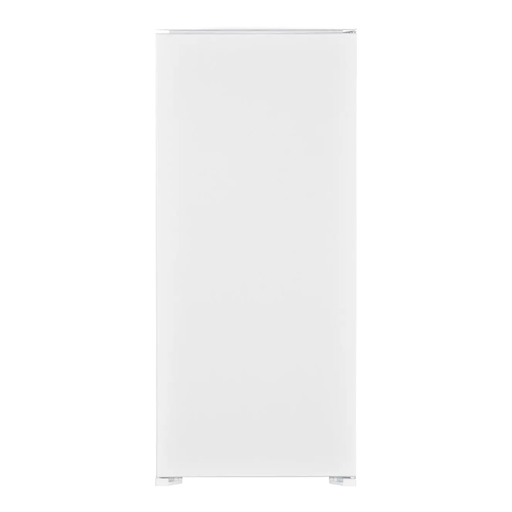 No image available
A built-in option if you want to chill other fresh food as well as the grapes.
White finish, energy class E. Check that the stated niche dimensions of 54 cm wide, 54 cm deep and 122 cm high suit your kitchen.
 No image available
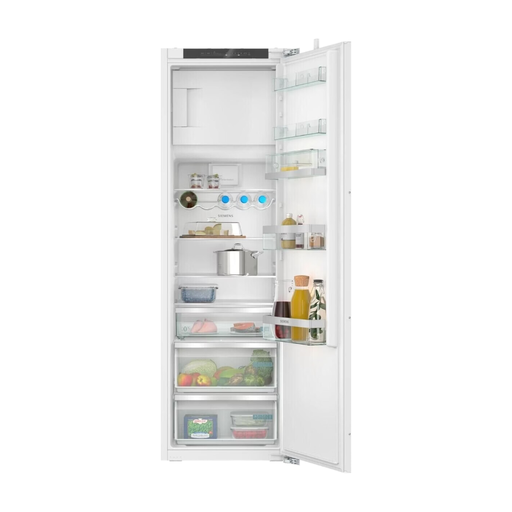
A built-in option if you’re looking for an integrated fridge for fresh groceries.
Check that the stated niche dimensions of 177.2 cm high, 56 cm wide and 55 cm deep suit your kitchen.
The Netherlands Nutrition Centre says grapes keep for 1–2 weeks in the fridge, compared with 3–4 days in a fruit bowl. Ideally, keep them on the stem and avoid moisture; check for shrivelling and mould before serving.
The Netherlands Nutrition Centre recommends setting your fridge to 4 °C. This is general storage advice; a special grape setting isn’t necessary.
First check the climate class and guidance for the exact model. The Dutch Consumers’ Association warns that some appliances don’t work properly below 10 °C, so don’t assume it’s suitable without checking the model specifications.
The EU energy label for household fridges and freezers uses a scale from A to G and includes information such as energy consumption and storage capacities. Compare the figures for the exact models that suit your space requirements.
Whole grapes can be a choking hazard for young children. The Netherlands Nutrition Centre recommends cutting grapes in half lengthways or into smaller pieces for toddlers and pre-schoolers, and staying nearby while they eat.