
Room for fresh groceries
You want to store cut melon covered and chilled, alongside your other fresh groceries.


If your current fridge has room for covered melon and, after checking, you find that it is around 4 °C, you don’t need a separate fridge for it. If you’re short on fridge space, choose one based on the room available and how practical its layout is. Then compare annual energy consumption and decide whether you also need freezer space. A stated capacity in litres or a freshness drawer alone won’t tell you whether the melon will be kept cold enough in your kitchen.
You want to store cut melon covered and chilled, alongside your other fresh groceries.
You’re looking for fridge space that fits the room available, and you’ll also check whether your storage container fits inside.
You have a fitted kitchen space and want to know whether a fridge’s dimensions and door fitting will work with it.
A good fit if: there’s room for the covered melon and, after checking, you find that the temperature is around 4 °C.
The trade-off: you won’t need another appliance, but if there isn’t enough room or the temperature is too high, you’ll need to adjust the layout or settings.
A good fit if: you have limited space and need extra fridge capacity for a smaller amount of shopping.
The trade-off: check that your storage container will fit. The Beko TSE1424N measures 84 × 54 × 59 cm and has a stated 128 l capacity for fresh food.
A good fit if: you often buy lots of fresh produce and don’t need extra freezer space.
The trade-off: the Liebherr Rd 4200 has a stated total capacity of 247 l and adjustable shelves, but takes up more floor space than an under-counter model.
A good fit if: you genuinely need a freezer as well as fridge space.
The trade-off: freezer space doesn’t count towards the room available for fresh melon; check the external dimensions and delivery route too.
A good fit if: you’re replacing an appliance in an existing kitchen space.
The trade-off: the space dimensions and hinge type must match. The Bosch and Siemens models reviewed require different recess heights and door fittings.
| What to consider | What should you check? | Who is this most important for? |
|---|---|---|
| Fridge temperature | Set the fridge to 4 °C and check the actual temperature using a fridge thermometer. | If I want to store cut melon covered, I need to know how cold my fridge really is. Around 28% of consumers put a reliable fridge temperature first. |
| Usable fridge space | Measure your storage container and compare the shelves and fridge capacity; freezer space doesn’t count towards the room available for fresh melon. | If I want to store melon and other fresh groceries, my container needs to fit in the fridge. Around 22% of consumers give usable space top priority. |
| Compact placement | Measure the available space and check the doorway and the room needed to open the door. | If my kitchen is short on space, I first want to know whether the appliance will fit, then whether its layout is practical. Around 17% of consumers prioritise compact placement. |
| Fitting and door installation | Note the height, width and depth of the recess, and check whether the model has a sliding door or fixed hinge. | When replacing an appliance in an existing recess, I want to avoid choosing dimensions or a hinge system that won’t fit. Around 17% of consumers put finding a model that fits the recess first. |
| Annual energy consumption | Compare the annual consumption in kWh and the fridge capacity on the label for the exact model. | When comparing models with enough fridge space, I also want to take energy consumption into account. Around 16% of consumers start with annual consumption. |
For cut melon, the Netherlands Nutrition Centre recommends storing it covered in the fridge, with the temperature set to 4 °C. Check the temperature yourself once it’s in place; a setting or a special drawer doesn’t measure it for you.
A manufacturer may describe a drawer as being for unpackaged fruit, while the Netherlands Nutrition Centre recommends chilling cut melon and keeping it covered.
Store cut melon covered and check the temperature, whatever the drawer is called.
Drawers and shelves take up room. In a fridge freezer, not all the capacity is fridge space for fresh food either.
Measure your storage container and check the layout and the separately stated fridge capacity.
The Bosch and Siemens models reviewed require different recess heights and use different door fittings.
Before ordering, check the full recess dimensions and hinge system, and ask separately about installation requirements.
Installation or kitchen alterations may be needed; check which jobs are included in your chosen installation service.
The Government of the Netherlands describes the old-for-new scheme: when a similar new appliance is purchased, the retailer must take the old appliance from a private customer free of charge. This doesn’t mean dismantling or installation is included.
When ordering, check the terms for collection, dismantling and installation separately.
Dismantling and installation may be separate services; check the terms of the service you choose.
The TSE1424N is a freestanding under-counter model for anyone looking for a compact cooling solution.
The freestanding Rd 4200 is a fridge without a freezer compartment, for anyone looking for space for fresh groceries.
The RB38C7B6AB1/EF is a fridge freezer for anyone who needs freezer space as well as fridge space.
The KIR31NSE0 is an integrated fridge with a sliding door, designed for a suitable, relatively low kitchen recess.
The KI81RADD0 is a taller integrated fridge with a fixed hinge, designed for a suitable large kitchen recess.
These models are fridge freezers for anyone who needs a freezer as well as space for fresh groceries. There’s also a compact fridge for smaller spaces.
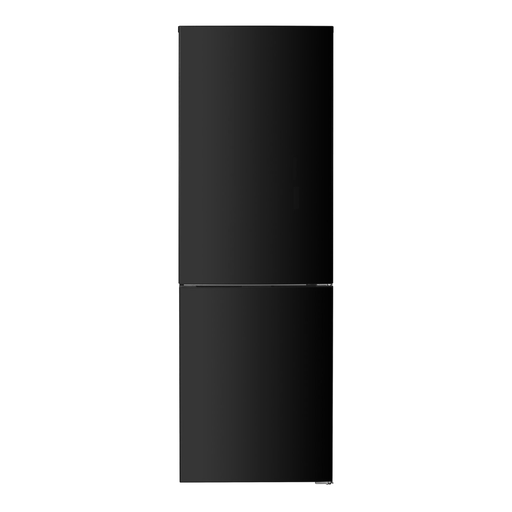 Image unavailable
The separate fridge compartment provides space for fresh groceries; the freezer compartment is for frozen food.
Fridge compartment: 210 l. Energy rating E; annual consumption: 233 kWh. External dimensions: 186 × 60 × 62 cm. No Frost.
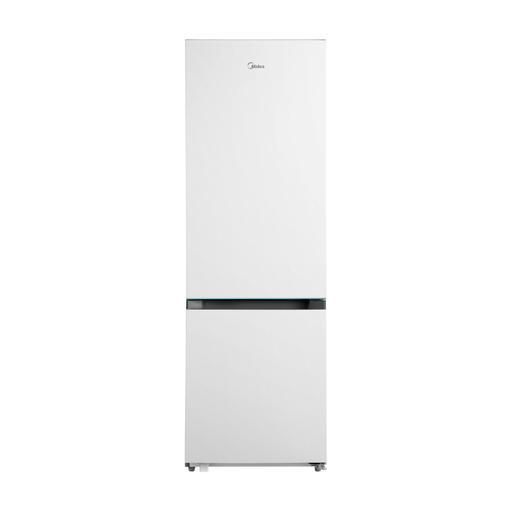 Image unavailable
The fridge compartment has a stated capacity of 232 l, with shelves and a salad drawer for fresh groceries.
Four fridge shelves. Separate freezer compartment: 98 l. Energy rating E; annual consumption: 248 kWh. External dimensions: 59,5 × 57 × 186 cm; the stated depth excludes extra space for ventilation and opening the door.
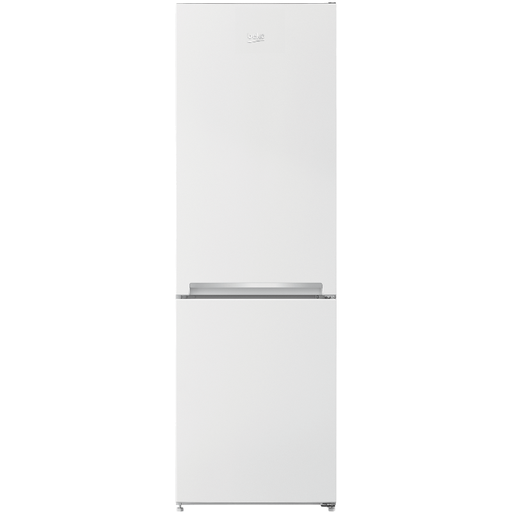 Image unavailable
The stated 175 l fridge compartment provides space for fresh groceries; the model also has a separate freezer compartment.
Four shelves and a salad drawer. Energy rating E; annual consumption: 204 kWh. Stated external dimensions: 54 × 182 cm.
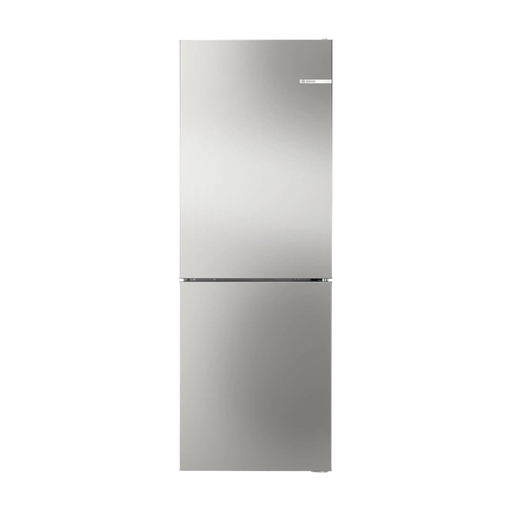 Image unavailable
A freestanding model with separate fridge and freezer compartments, for anyone who needs both.
Energy rating D; annual consumption: 189 kWh. External dimensions: 175,4 × 61,4 × 66,3 cm. Separate temperature controls for the fridge and freezer.
 Image unavailable
A compact fridge for smaller spaces; check that the shelves suit your storage container.
Capacity according to the product name: 90 l. Temperature range: 0–10 °C; the stated settings include 4 °C. Three adjustable glass shelves. Energy rating E. External dimensions: 449 × 485 × 842 mm.
Yes. The Netherlands Nutrition Centre recommends always storing cut melon covered in the fridge, set to 4 °C. Don’t leave food that spoils quickly out of the fridge for more than two hours, and chill it again as soon as possible.
Measure the temperature with a fridge thermometer. Place it in the middle of the bottom shelf, leave it there for half a day or overnight, then take a reading. Adjust the fridge if it’s above 4 °C and check again.
Yes. The Netherlands Nutrition Centre recommends washing a melon under running water before cutting it. This helps prevent dirt on the rind from being transferred to the flesh by the knife. Don’t use soap or bleach.
Check the EU energy label and product information sheet for the exact model. The label includes details such as the energy rating, annual consumption, capacity and noise level. New refrigeration appliances covered by EU rules must also display the label clearly online.
If a product is faulty, the retailer is your point of contact for an appropriate solution, such as a free repair or replacement, according to the Government of the Netherlands. When you buy a similar new appliance, the retailer must take your old appliance free of charge under the old-for-new scheme, including for online purchases. Check separately whether installation and dismantling are available as services.