
Cook with leftovers in a shared fridge
Wants to check first that the existing fridge is cold enough and has room for sealed portions. The Netherlands Nutrition Centre advises setting the fridge to 4 °C and storing leftovers in sealed containers.


You can keep using the shared fridge if sealed portions of chicken fit neatly inside and a temperature check confirms that the fridge is at 4 °C. If space is consistently limited, compare a compact additional model with replacing the shared fridge, looking at its layout, available space, annual energy consumption and noise level. The Netherlands Nutrition Centre advises keeping cooked chicken in the fridge for no more than two days.
Wants to check first that the existing fridge is cold enough and has room for sealed portions. The Netherlands Nutrition Centre advises setting the fridge to 4 °C and storing leftovers in sealed containers.
May be looking for their own under-counter fridge because the shared shelves are always full. The available width and space for food containers are both factors to consider.
Want to create more fridge space together without unnecessarily adding a second appliance. Compare the layout, space available, annual energy consumption and stated noise level.
Choose this if: sealed portions fit and you can check the temperature where you store them.
Bear in mind: the shared layout and temperature setting; agree where to keep your portions if needed.
Choose this if: the shared fridge is consistently too full and there’s space and permission for an extra appliance.
Bear in mind: the extra floor or worktop space and electricity consumption; a small model may not have enough room for several housemates.
Choose this if: several housemates need more space and can agree to replace the fridge together.
Bear in mind: making a joint decision and the space available; also check that the shelves can accommodate your food containers.
When storing cooked chicken in a shared kitchen, the key things to consider are temperature checks, space for sealed portions, where the fridge will go and its ongoing running costs.
| What to consider | What to look for when buying | Who should pay particular attention? |
|---|---|---|
| Storage temperature | Use a separate fridge thermometer to measure the temperature where you store your food; a temperature setting or door alarm is not a measurement. | If I want to store leftovers safely, I need to know how cold it is where the containers are kept. Around 36% of consumers say temperature control is their main purchasing concern. |
| Space for portions | Check that sealed containers fit on the shelves and that the layout suits their height. | When several housemates use the same fridge, I want to be able to store sealed portions of chicken neatly. Space for portions is the main priority for around 29% of consumers. |
| Space for the appliance | Measure the available space and allow room to open the door. | If there’s only a little free space in the kitchen, I want to check that the appliance will physically fit there first. Around 21% of consumers prioritise whether an appliance will fit. |
| Energy use and noise | Compare the annual energy consumption on the energy label for a suitable size; don’t treat stated noise levels as a measurement taken in your kitchen. | If the fridge is in a shared living space, electricity use and audible noise may be important factors. Around 14% of consumers say these are their main purchasing concerns. |
The temperature can vary from one part of the fridge to another. The set temperature or an alarm doesn’t tell you the temperature where the chicken is stored.
Once the fridge is in place, measure the temperature on the middle of the bottom shelf. The Netherlands Nutrition Centre advises leaving a thermometer there for half a day or overnight and setting the fridge to 4 °C.
An extra appliance takes up space and uses electricity. Milieu Centraal says that two fridges use more energy together than one large appliance.
First, work out how much space you need for sealed portions and discuss whether rearranging the shelves or replacing the fridge together is an option. When comparing suitable appliances, also check their annual energy consumption.
Having extra fridge space doesn’t change the Dutch advice on storing cooked chicken: the Netherlands Nutrition Centre recommends keeping it in the fridge for no more than two days.
Make a note of when the chicken was cooked and freeze portions if you won’t eat them within two days.
The Bosch KTR15NWEB is an under-counter fridge without a freezer compartment, with a stated fridge capacity of 134 litres.
The Inventum KK550 is an under-counter fridge that is 55 cm wide, with a stated capacity of 131 litres and adjustable shelves.
The freestanding Beko TS190040N is 47.5 cm wide and has a stated fridge capacity of 88 litres.
The Liebherr Rd 1400 Pure is an under-counter fridge with a stated total volume of 125 litres.
This selection includes compact fridges and larger fridge-freezers, offering extra or shared storage space. Check that the layout and dimensions suit your kitchen before buying.
 No image available
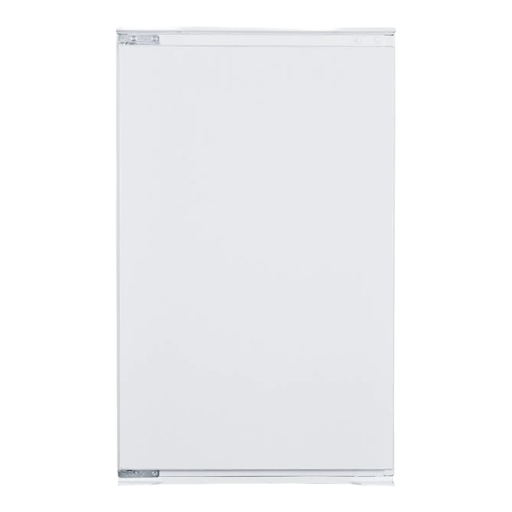
An option if you’re looking for extra fridge space and want a freezer compartment too.
109 litres in total; C energy rating.
 No image available
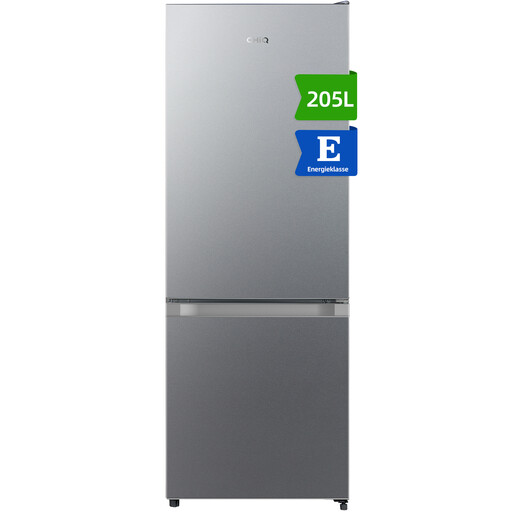
An under-counter model to consider if you’re looking for extra space for sealed portions; check that the layout suits your containers.
The product name states a width of 54 cm and an E energy rating.
 No image available
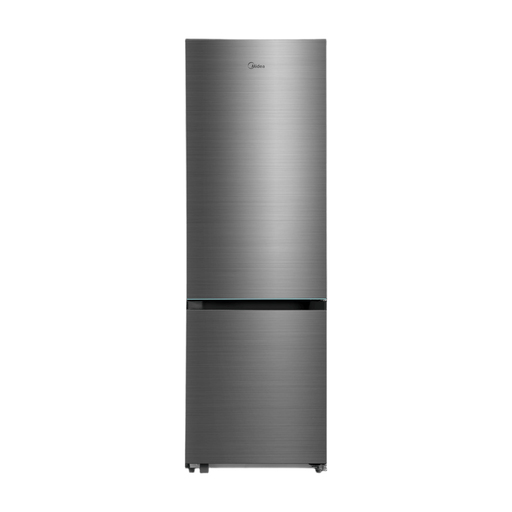
A larger fridge-freezer to compare if housemates are looking for extra fridge space together.
The product name states a total capacity of 330 litres, 35 dB, energy rating E and Total Frost Free.
 No image available
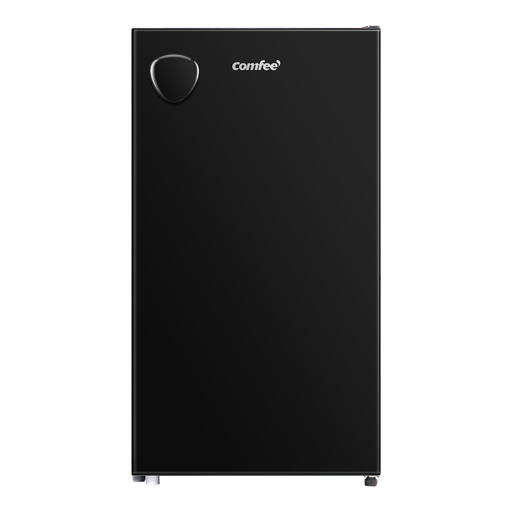
A compact fridge to consider if you’re looking for extra storage space; the product name lists an adjustable thermostat and reversible door.
88 litres; removable glass shelves; E energy rating. According to the product description, the separate cooling zone is designed for briefly chilling drinks and snacks; don’t store anything in it for longer than two hours to prevent it from freezing.
 No image available
A fridge-freezer to compare if you want to combine fridge space with a separate freezer compartment.
The product name states 153 litres of fridge space, 52 litres of freezer space, Low Frost and an E energy rating.
Set the fridge to 4 °C, as advised by the Netherlands Nutrition Centre, and check the temperature with a fridge thermometer. Place the thermometer in the middle of the bottom shelf and leave it there for half a day or overnight; adjust the fridge if the reading is higher.
The Netherlands Nutrition Centre advises keeping cooked chicken breast in the fridge for no more than two days. Cool leftovers quickly, seal them well and don’t leave them out of the fridge for more than two hours. Freeze portions if you want to keep them for longer; this is Dutch food safety advice for home use, not a statutory HACCP time limit for a private household.
The Netherlands Nutrition Centre advises reheating leftovers thoroughly until piping hot, stirring them as they heat. It’s best not to reheat leftovers a second time.
Compare the annual energy consumption on the energy labels of fridges in a suitable size; your electricity bill will also depend on your tariff. The Government of the Netherlands states that there is no fixed statutory guarantee period in the Netherlands and that, for a consumer purchase, the seller must ensure the product is of satisfactory quality.
According to the Government of the Netherlands, when you buy a new appliance of the same kind, the shop must take back your old one. This take-back scheme also applies to online purchases.