
Vandaag of morgen in huis

Kwaliteit gegarandeerd

Welkomstaanbiedingen ontgrendelen: GRATIS bezorging | Tot 80% korting | Gratis 30 dagen JoyPlus-proefperiode
Download de app
A storage cabinet may seem easy to choose at first glance. Yet many shoppers are drawn to an attractive design without considering dimensions, weight capacity or assembly. As a result, the cabinet may not fit the space properly, wobble once filled, or have compartments that are too small for books and crockery.
This guide helps you compare a bookcase, cube storage unit, chest of drawers or sideboard based on measurable features. That way, you can choose a cabinet for your living room, bedroom, home office, hallway or children’s room that suits the way you use it every day.
A cabinet with a soft wood finish or modern pattern can be appealing, but its design tells you little about how practical the layout is. Always check:
For example, a shallow cabinet is useful in a narrow hallway, while a deeper cabinet offers more room for baskets or larger items.
A stated maximum load does not always apply to each shelf or drawer. It often refers to the maximum weight of the entire piece of furniture. You should therefore place heavy books, crockery or electronics towards the bottom and distribute the weight evenly.
Also consider the surface the cabinet will stand on. A tall room divider bookcase must be stable and secured according to the instructions. Wall screws and plugs are not included with the vidaXL bookcase, so you will need fixings suitable for your type of wall.
Many affordable models are self-assembly cabinets. This is practical for transport and can help keep the price down, but check the assembly time and the number of people required beforehand.
A chipboard cabinet is made from compressed wood fibres. This material is suitable for normal indoor use, but the edges and joints need extra care. Avoid prolonged contact with moisture and do not tighten screws repeatedly without good reason, as this can damage the board material.
Start by measuring the available space. Do not measure just the wall; also allow for skirting boards, sockets, radiators and room to walk around the furniture. In a small room, a narrow cube storage unit may be more efficient than a wide sideboard.
Choose the layout based on what you want to store:
Check the maximum weight capacity in the product information. It is sensible not to use the cabinet constantly at the stated limit, particularly with heavy books or crockery. For example, a model with a maximum capacity of 25 kg is more suitable for lightweight home accessories than for a large collection of hardback books.
Also check whether the manufacturer provides instructions for securing the cabinet to the wall. With tall cabinets and room dividers, stability is more important than simply counting the number of compartments.
Pay attention to the materials used for the shelves, back panel, doors and legs. A cabinet may be made from several materials, such as chipboard, MDF, steel or wood.
A FSC-certified cabinet may be worth considering if the origin of wood products is important to you. Use certification as just one part of your decision: also consider the construction, dimensions, assembly and weight capacity. The product details for several of the models below list FSC certification.

Why it suits this profile: This compact chest of drawers has three drawers for clothes, paperwork or small items, while its dimensions of 73 x 48 x 78 cm mean it takes up relatively little space.
The dimensions, number of drawers and maximum weight capacity of 80 kg are clearly stated. There is no soft-close function, so you know exactly what to expect.
Three drawers, steel drawer runners, a stated weight capacity of 80 kg and assembly by one person in approximately 30 minutes.
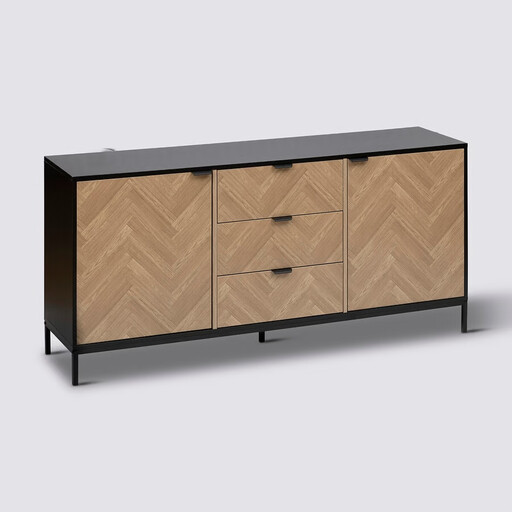
Why it suits this profile: This wide sideboard combines two doors with three drawers. You can therefore store crockery, table linen and everyday accessories separately.
The weight capacity is specified as 55 kg and the furniture is intended for indoor use. Assembly requires two people and approximately 60 minutes.
160 cm wide, two doors, three drawers, steel legs and FSC certification listed in the product specifications.
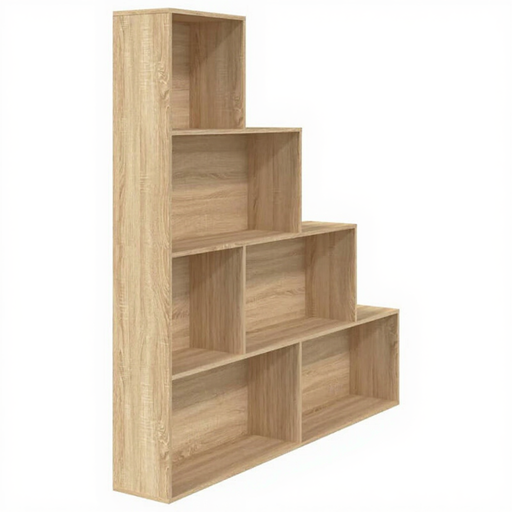
Why it suits this profile: With six open compartments and a depth of 24 cm, this bookcase is suitable for a narrow wall or as a visual divider between two areas of the living room.
The compact depth can be checked in advance. As the furniture is also used as a room divider, you should take extra care to position it securely and use suitable wall fixings.
Six open shelves, 155 cm wide, 160 cm high and suitable for books, magazines and multimedia equipment.
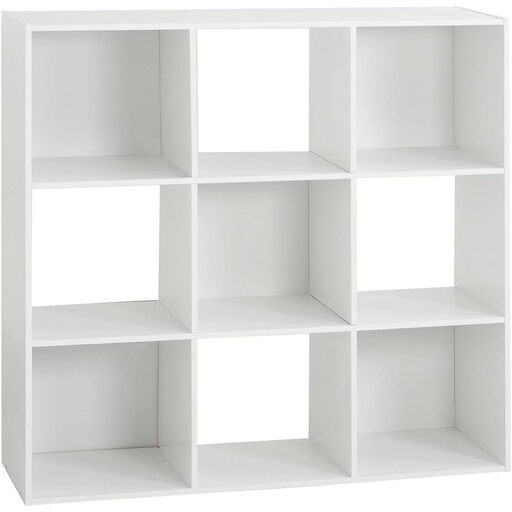
Why it suits this profile: The nine compartments provide an organised layout for books, toys, storage baskets or decorations. According to the product information, the unit can be placed against a wall or on the floor.
The maximum weight capacity of 65 kg is stated clearly. Place heavy items at the bottom and have an adult carry out the assembly, particularly in a child’s room.
Nine compartments, back panel, FSC certification, CE marking and dimensions of 100.5 x 32 x 100.5 cm.
We have put together a complete, up-to-date list of products that fully meet these strict selection criteria and the applicable European safety regulations.
Before assembly, check that all panels, screws and fittings are included. Assemble the cabinet on a level surface and tighten the joints evenly. Secure tall or narrow furniture whenever the instructions require it.
For everyday use, follow a few simple rules:
An FSC listing says something about the certified origin according to the product information, but not automatically about weight capacity or lifespan. Always compare several specifications as well.
First measure the available space and allow for doors, skirting boards and walkways. Then decide how many items you want to store. A shallow cabinet is often more practical in a narrow hallway, while crockery or large baskets require greater depth.
A chipboard cabinet can be suitable for normal indoor use, provided you respect the stated weight capacity and keep it away from moisture. The quality of the joints, assembly and load has a significant effect on how long it will last.
Place the cabinet on a level surface, distribute heavy items across the lower compartments and follow the instructions for securing it to the wall. Use screws and plugs that are suitable for your wall. Have an adult carry out the assembly and check the fixings regularly.
