
Vandaag of morgen in huis

Kwaliteit gegarandeerd

Welkomstaanbiedingen ontgrendelen: GRATIS bezorging | Tot 80% korting | Gratis 30 dagen JoyPlus-proefperiode
Download de app
A cluttered hallway, an overcrowded kitchen or a garage where tools go missing: many households face the same problem. The solution may seem simple, but a storage cupboard or shelving unit that doesn’t suit the space or how you’ll use it can quickly disappoint. So don’t just consider colour and price; pay particular attention to dimensions, load capacity and stability.
A cupboard that’s 30 cm deep may seem suitable for a narrow hallway, but the usable space is reduced by back panels, shelves and doors. Always check the internal dimensions, the distance between shelves and the clearance needed for doors to open.
Measure skirting boards, sockets and door frames too. A shelving unit that fits exactly between two walls may still be unusable if it stops a door from opening fully.
A stated load capacity is often the maximum static load. This generally means the weight must be distributed evenly, and that the cupboard isn’t designed to be stood on or hung from. So a garage cupboard with a high total capacity isn’t automatically suitable for heavy items on one small shelf.
It’s best to put heavy boxes, paint tins and tools on the bottom shelves. Also check whether an anti-tip kit is included, and secure a tall cupboard to the wall according to the instructions.
A cupboard with adjustable shelves sounds versatile, but check how much adjustment is actually possible. Sometimes there are only a few fixed positions. That can make a difference when storing shoes, jars of food or tall cleaning bottles.
A cupboard with adjustable shelves is most useful when you know in advance what you’ll be storing in it. For example, measure your tall boots before buying a shoe cupboard.
Follow this simple order:
A 187.5 cm-high bookcase makes good use of vertical space, but needs more attention when it comes to anchoring than a low wall cupboard. Open shelving is practical for boxes and tools, while a closed storage cupboard keeps items out of sight.
Chipboard and MDF are commonly used materials for home storage cupboards and bookcases. They’re suitable for books, ornaments and lighter household items, provided you don’t exceed the stated load capacity. A metal shelving unit is often a better choice for a garage, storage room or workspace, particularly if you want to adjust the shelves.
When choosing metal shelving, check the:
Don’t treat the stated maximum weight as a target for everyday use. Evenly distributed weight and a safety margin help reduce sagging and instability.
Open shelving gives you quick access to your belongings, but needs more attention to stability. It’s best to secure a narrow shelving unit to the wall. Place heavy items on the bottom shelves and check all the fittings after assembly.
A shoe rack, spice rack or kitchen rack will usually carry less weight, but unevenly distributed items can still make it tip over. The wheels on a kitchen trolley should lock securely when it’s stationary.
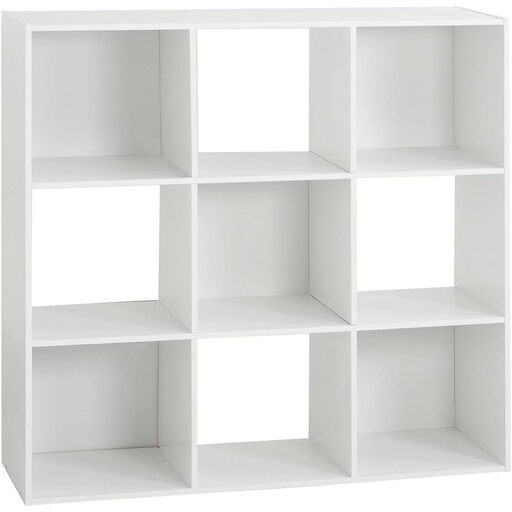
Why it suits this type of user: This open storage cupboard has nine compartments for toys, books, baskets or accessories in a living room, bedroom or children’s room. At 100.5 cm wide and high, it fits into many medium-sized spaces.
The dimensions, material and maximum load capacity of 65 kg are specified. The cupboard can stand on the floor or be wall-mounted; heavy items should go on the bottom shelves.
Nine open compartments, a back panel included, FSC certification and an estimated assembly time of around 30 minutes for two people.
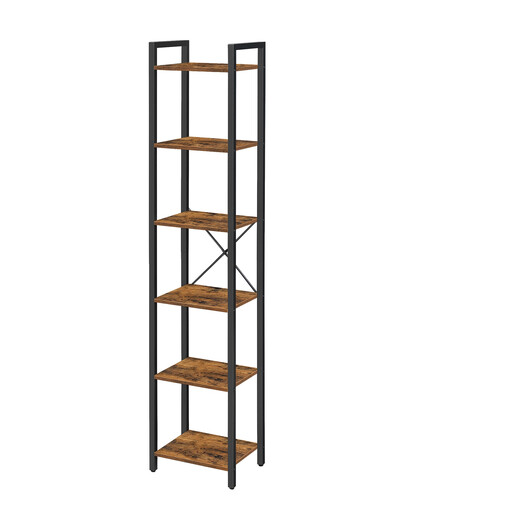
Why it suits this type of user: This narrow bookcase is designed for a study, living room, bedroom or hallway where floor space is limited. The combination of chipboard and steel complements an industrial-style interior.
It measures 30 x 40 x 187.5 cm and has a maximum load capacity of 50 kg. An anti-tip kit, adjustable feet and X-shaped bars help keep it stable.
Six tiers, a compact footprint and clear assembly instructions with labelled parts.
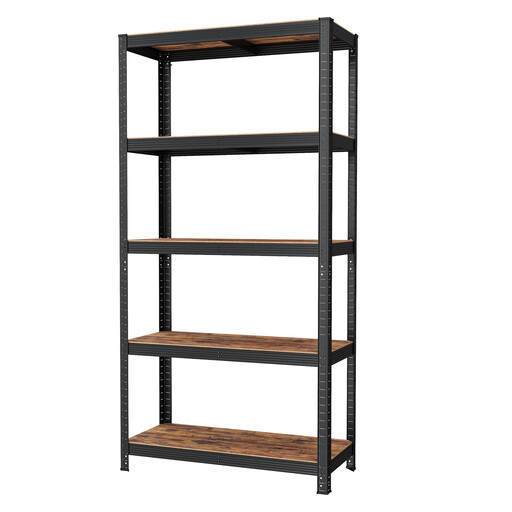
Why it suits this type of user: This metal shelving unit is designed for garages, sheds and workspaces where you need to store tools, storage boxes or seasonal items. It’s 90 cm wide and 180 cm high.
The product information states a maximum static load of 175 kg per tier and 875 kg in total. Use the anti-tip kit and distribute the load evenly; wear gloves during assembly.
Adjustable shelves, a boltless click-lock system and the option to split the unit into two separate sections.
We’ve compiled a complete, up-to-date list of products that meet these strict selection criteria and the applicable European safety regulations.
Assemble the cupboard according to the instructions, check that the floor is level and use the anti-tip kit provided. Put heavy items on the bottom shelves, and don’t let children hang from the shelves or climb on the cupboard.
A slim kitchen trolley, a rotating kitchen rack or a compact spice rack makes good use of vertical space. Measure the clearance beforehand and check that the wheels can be locked. Don’t place hot pans directly on a storage rack unless this is expressly permitted.
Its lifespan depends on the material, assembly, moisture and load. Keep wooden cupboards dry, handle metal surfaces with care and don’t exceed the load capacity. Check screws, joints and wall fixings regularly.
