
Vandaag of morgen in huis

Kwaliteit gegarandeerd

Welkomstaanbiedingen ontgrendelen: GRATIS bezorging | Tot 80% korting | Gratis 30 dagen JoyPlus-proefperiode
Download de app
A storage cupboard may seem straightforward to buy, but the wrong size, insufficient load capacity or awkward assembly can quickly cause problems. A cupboard that looks spacious online may turn out to be too deep for the hallway, too low for books or unsuitable for damp conditions.
For a practical choice, three pitfalls are particularly important:
With the right checks beforehand, you can compare a shelf unit, wall shelf, bathroom shelf or kitchen shelf based on practical features rather than appearance alone.
Measure the place where the cupboard will stand. Take skirting boards, doors, sockets and enough room to walk past the cupboard into account. A narrow storage cupboard can be useful next to a desk or in a small bathroom, while a wide cube shelf is better suited to a long living-room wall.
Also consider the items you want to store:
A living-room cupboard or bedroom cupboard does not always need to be closed. An open cupboard keeps items within easy reach and can also serve as a display shelf, but visible compartments do require a tidy arrangement.
The maximum load capacity is a product specification that can be checked. If this information is missing, it is best not to place heavy books, crockery or full storage jars on the cupboard. Distribute heavy items across several levels and preferably place them at the bottom. This lowers the centre of gravity.
For a cupboard with wall fixing, it is important to check the supplied mounting materials. Suitability depends on the wall, such as concrete, brick or plasterboard. If in doubt, use suitable wall plugs and screws for your wall type.
Bamboo has a light appearance and works well in a kitchen, bedroom or bathroom. However, a bamboo shelf is not automatically designed to withstand large amounts of water over a long period. Wipe up any spills and check the care instructions.
MDF and chipboard are common materials for a bookshelf or cube shelf. They can be sturdy within the stated load limit, but prolonged exposure to moisture is less suitable. Steel is particularly practical as a frame or for a compact wall shelf. For metal components, check whether the finish is intended for the room where you want to use the cupboard.
An FSC statement provides information about the origin of the relevant wood or wood-based material. It does not automatically say anything about the product’s maximum load capacity or moisture resistance.
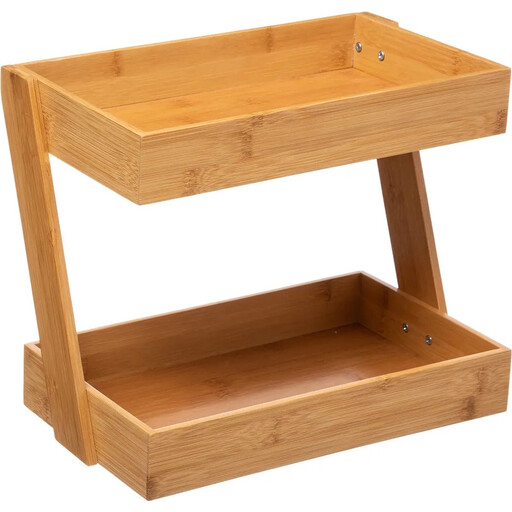
Why it suits this profile: This compact two-tier cupboard takes up little space and is intended for indoor use. It fits on a kitchen worktop for herbs and storage jars, or on a desk for small accessories.
The dimensions are clearly stated: 31,5 x 22,5 x 26 cm. The maximum load capacity is not specified, so do not use this cupboard for heavy items.
Bamboo, MDF and steel; two tiers; FSC-certified according to the product information. Self-assembly is required and mounting materials are not included.
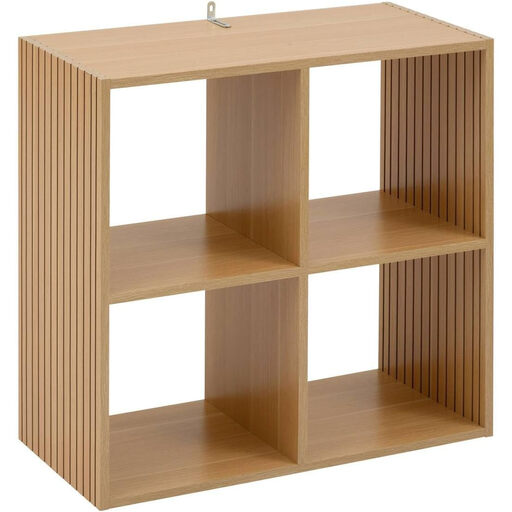
Why it suits this profile: With its generous dimensions, this open cupboard is suitable for books, photo frames and decorations in the living room, bedroom or home office.
The maximum load capacity is 40 kg. Place heavy items at the bottom and secure the cupboard to the wall in a child’s bedroom or busy passageway.
Dimensions of 68,5 x 32 x 68,5 cm; maximum load capacity of 40 kg; FSC statement and self-assembly with an estimated assembly time of 30 minutes.

Why it suits this profile: This large cube shelf provides ten compartments for books, plants, boxes and decorations. You can use it in the living room, bedroom or home office, and it can also serve as a room divider.
The cupboard comes with an anti-tip device. Attach it to a suitable wall according to the instructions and do not exceed the stated maximum of 10 kg per compartment.
Ten compartments; dimensions of approximately 129,5 x 29 x 129,5 cm; maximum static load of 10 kg per compartment; suitable for storage boxes.

Why it suits this profile: This single-tier wall shelf is designed for shampoo, soap and sponges. Its compact size of 25 x 10 x 8 cm is suitable for limited wall space.
According to the product information, drilling is not required: it can be attached using the supplied adhesive strip or suction cups. The maximum load capacity is not specified, so keep the load limited.
Acacia wood with steel frame; FSC statement; attachment with adhesive strip or suction cups. Check that the wall surface is clean, flat and suitable.
Before ordering, check whether the cupboard requires self-assembly. A small shelf can be installed quickly, while a larger bookshelf or cube shelf takes more time. Assemble it on a soft surface to avoid damaging the panels, and tighten the connections evenly.
Also bear the following points in mind:
According to the product information, these items are covered by a minimum of two years’ statutory guarantee under EU consumer legislation. Additional rights may apply under the relevant national law.
We’ve put together a complete, up-to-date list of products that fully meet these strict selection criteria and the applicable European safety regulations.
Measure the available width, height and depth, allowing space for skirting boards, doors and passageways. Then measure the largest items you want to store. This prevents you from choosing a cupboard that fits the room but is not suitable for your books, boxes or storage jars.
That depends on the product description and care requirements. Bamboo can work well in a bathroom, but check whether the product is specifically intended for bathroom use. Avoid standing water and dry the shelf after it comes into contact with moisture.
Its service life depends on the material, load, assembly and care. A cupboard used within its stated load capacity and securely fixed to the wall will generally continue to perform better than one that is overloaded or placed in a damp environment. If no load-capacity specification is provided, only place light items on it.
