
Vandaag of morgen in huis

Kwaliteit gegarandeerd

Welkomstaanbiedingen ontgrendelen: GRATIS bezorging | Tot 80% korting | Gratis 30 dagen JoyPlus-proefperiode
Download de app
A storage cabinet may seem straightforward to choose at first. But attractive product photos, compact dimensions and vague claims such as ‘sturdy’ or ‘plenty of storage space’ can give you the wrong impression. A cabinet may look right in your living room, yet be awkward to use because of its layout. A model that fits in your hallway might also have too little load capacity for heavier items.
Look out for these three common pitfalls:
By checking the size, layout and materials, you can choose a sideboard, living room cabinet or hallway cabinet that’s right for you.
Don’t just look at the width and height. The depth determines how much floor space the cabinet takes up and what you can store inside it.
Also check whether the cabinet is freestanding or can be fixed to the wall. An open shelving unit or a tall cabinet with shelves can tip forwards if used incorrectly. Store heavier items on the bottom shelves and follow the assembly instructions.
The material doesn’t tell you everything about quality, but it can give you an idea of how the cabinet is designed to be used.
MDF and chipboard are commonly used for panels and shelves. Pay particular attention to the stated maximum load. A shelf with a load capacity of 10 kg can hold many household items, but that doesn’t necessarily mean it can support a large stack of books or heavy crockery.
A metal storage cabinet is generally easy to clean. Check that it’s designed for indoor use in a dry space, and whether the metal parts are combined with MDF or chipboard. A model with an adjustable shelf lets you adapt the inside to suit cleaning products, baskets or larger accessories.
When checking the layout, consider:
The right choice depends on the room. A white cabinet or a Scandinavian-style cabinet often works well in a light-coloured interior. A wooden cabinet or sideboard with a natural look can add warmth to a dining room or living room.
A living room cabinet often serves a different purpose from a dining room cabinet. If you’re storing crockery, choose one with enclosed storage and sufficient load capacity. Open compartments may be more practical for toys or books. A TV unit also needs to be wide and sturdy enough to support your screen and any other equipment.
Here are three models for different rooms and uses. The selection is based on the listed dimensions, materials, layout and assembly information.
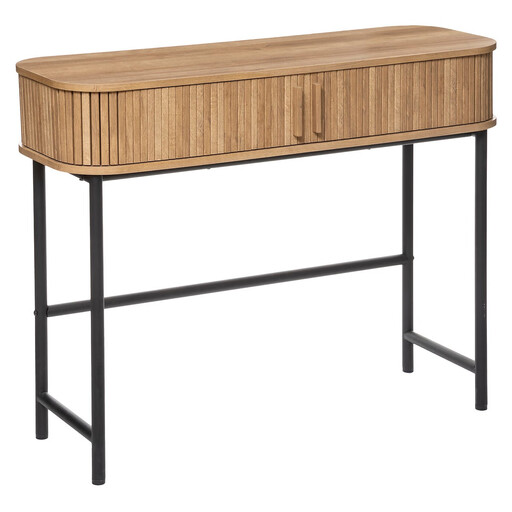
Why it’s a good fit: This compact sideboard suits a living room, dining room or hallway where you need enclosed storage without taking up much floor space.
The dimensions are clearly listed, and the two sliding doors don’t need extra clearance to swing open. The stated maximum load per shelf is 10 kg.
100 x 35 x 80.5 cm; MDF and steel; enclosed storage with a back panel and shelf; assembly instructions included.
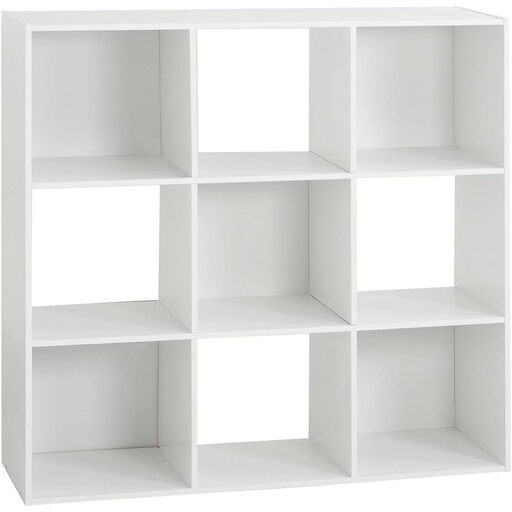
Why it’s a good fit: The nine compartments offer an organised place for books, baskets, accessories or toys in a living room, bedroom or office.
The open layout makes it clear exactly how many compartments you get. The maximum total load capacity is 65 kg; heavier items should go on the bottom.
100.5 x 32 x 100.5 cm; nine open compartments; freestanding or wall-mounted; FSC information and CE certification listed in the product details.
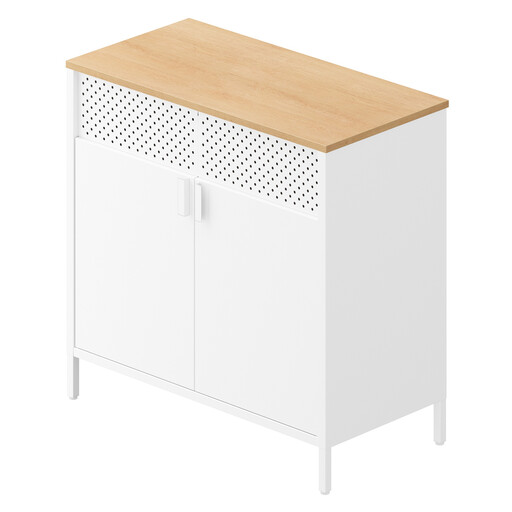
Why it’s a good fit: The combination of steel, an adjustable shelf and double doors makes this a good choice for an office, utility room, dining room or living room where you need to store items of different sizes.
The adjustable shelf means you aren’t stuck with a fixed layout. The supplied anti-tip kit must be fixed to the wall, according to the product information.
80 x 40 x 76 cm; steel and chipboard; double doors with magnetic closure; maximum static load for the top: 50 kg.
We’ve put together a complete, up-to-date list of products that meet these strict selection criteria and comply with the applicable European safety regulations.
Before buying, decide where you’ll put the cabinet. Remember to allow for:
Clean the cabinet with a slightly damp cloth and follow the manufacturer’s care instructions. Don’t leave damp items on MDF or chipboard for long periods. Once assembled, check that the doors, sliding panels and shelves are fitted correctly.
Choose a model with a shallow depth, around 30 to 35 cm, for example. A cabinet with sliding doors means you won’t need extra space in front for doors to swing open. Measure the walkway too, and check that sockets will still be accessible.
It can be, especially for books, toys and baskets. Bear in mind that items on open shelves are always on show, and the shelves can collect dust more quickly. Put heavier items on the lower shelves and secure a tall cabinet to the wall according to the instructions.
Its lifespan depends on the materials, assembly, load and care. Don’t exceed the stated load capacity of the shelves, avoid prolonged exposure to moisture, and check the screws and fixings from time to time. The statutory guarantee in the European Union is at least two years; additional rights may apply under the relevant national law.
