
Vandaag of morgen in huis

Kwaliteit gegarandeerd

Welkomstaanbiedingen ontgrendelen: GRATIS bezorging | Tot 80% korting | Gratis 30 dagen JoyPlus-proefperiode
Download de app
Choosing a storage cabinet seems straightforward, until you realise that dimensions, materials and layouts vary considerably from one model to another. A cabinet that looks spacious in the product photo might turn out to be too deep for your hallway. A bathroom cabinet may look beautifully finished, but not be suitable for daily exposure to moisture. And an adjustable shelf is only useful if you can actually set it to the right height for your belongings.
Use these checks to avoid a purchase you regret and find a storage cabinet that works in your living room, kitchen, bathroom, dining room or home office.
A black metal storage cabinet or wooden sideboard might suit your interior, but a practical layout is just as important. Check:
A space-saving cabinet with sliding doors, for example, is handy in a narrow hallway or small dining room. In a living room with plenty of open space, hinged doors may make it easier to access the contents.
According to the product description, the steel body on certain models is moisture-resistant and easy to clean. That doesn’t automatically mean the cabinet is suitable for prolonged contact with water or for placing in a wet shower area.
When choosing a bathroom cabinet, consider:
The product description for the HaluPeit cabinet says that its MDF and metal components are designed for a humid bathroom environment. Even so, check the ventilation, exposure to splashes and floor surface where you plan to place it.
A cabinet can stand securely, but still tip over if heavy items are stored high up or a door is opened forcefully. Check the maximum load for each shelf and the top. Use the supplied anti-tip kit if one is included.
Where you place a storage cabinet is particularly important in a home with children or pets. Keep heavy items on the bottom and distribute the weight evenly across the shelves.
Measure the space in three ways: from the floor to the ceiling, between neighbouring pieces of furniture, and from the wall to the front of the cabinet. Also allow for skirting boards, sockets and doors that need to open fully.
A living room or dining room cabinet is often around 70 to 100 cm wide. This isn’t a fixed rule, but it’s a practical size for storing crockery, books, electronics or household accessories. An adjustable shelf gives you more flexibility if you want to store both low boxes and taller baskets.
Steel is generally easy to wipe clean and works well for a metal storage cabinet in an office, utility room or modern living room. MDF or chipboard can create a warm look, but needs careful handling around moisture and cleaning products. Check the legs, back panel and joints too: these can affect how easy it is to clean underneath and behind the cabinet.
A pegboard back panel can help with ventilation and provide space for hooks. How suitable it is depends on the design and how you plan to use the cabinet.
Before buying, check whether the instructions and all the fixings are included. Labelled parts can make assembly easier to follow, but make sure you have enough room to lay the cabinet down and stand it upright.
Wall fixings are an important consideration for tall or wide models. Fit the anti-tip kit according to the instructions and attach it to a suitable wall. If you’re unsure what type of wall you have, you’ll need appropriate fixings.

Why it suits this buyer: At 40 x 80 x 76 cm, this compact cabinet fits in a living room, home office or dining room where you need neatly organised, concealed storage.
The adjustable shelf means you’re not stuck with a fixed layout that doesn’t work for you. The product description also mentions a moisture-resistant steel body that’s easy to clean.
Adjustable shelf; top with a maximum static load capacity of 50 kg; anti-tip kit included.
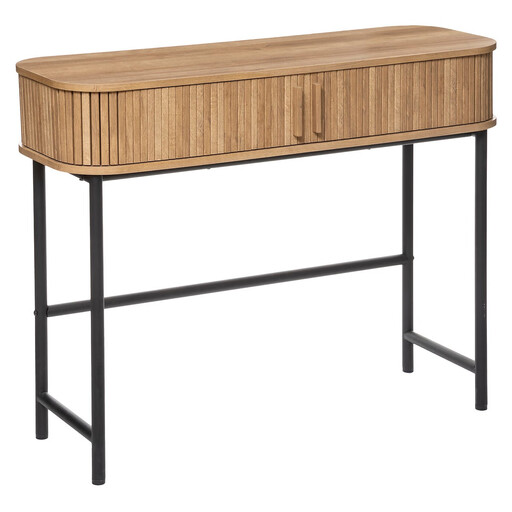
Why it suits this buyer: This sideboard is a good choice if you want to combine storage with a warm look in your living room, dining room or hallway.
The two sliding doors don’t need extra room to swing open, so the cabinet works well in a relatively narrow space.
Measures 100 x 35 x 80,5 cm; shelf load capacity up to 10 kg; instructions and metal legs included.
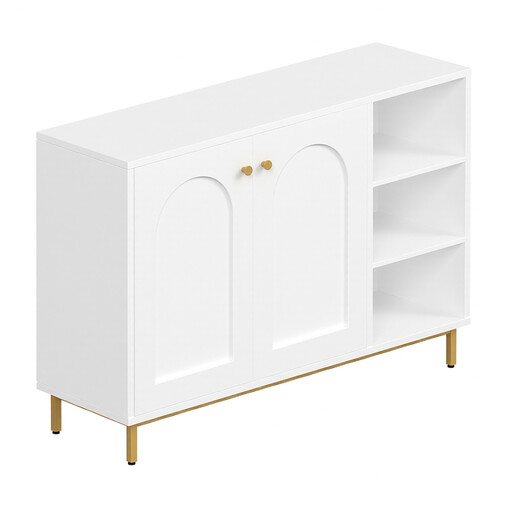
Why it suits this buyer: This bathroom cabinet offers both concealed and open storage for towels, toiletries and supplies in the bathroom or kitchen.
The cabinet stands 12,5 cm off the floor and has three adjustable shelf heights. This makes it easier to clean underneath and gives you room for items in different-sized packaging.
Three adjustable shelves; a combination of two doors and open compartments; measures approximately 35,5 x 100,5 x 75,5 cm.
We’ve put together a complete, up-to-date list of products that meet these strict selection criteria and the applicable European safety regulations.
Read the full instructions first and check that all the parts are included. Assemble the cabinet on a level surface, and only fully tighten the fixings once the structure is correctly aligned. If the instructions call for it, secure the cabinet to a suitable wall using the supplied anti-tip kit.
Its lifespan depends on the materials, load, assembly and care. Don’t store items that exceed the stated weight capacity, and avoid prolonged contact with water. Check the hinges, sliding doors and fixings from time to time to make sure nothing has come loose.
The price is mainly determined by the size, materials, finish, number of shelves and assembly parts. So compare more than just the purchase price: consider the load capacity, layout, guarantee and suitability for your space too. That way, you can choose a cabinet that remains practical long after the first impression has faded.
