
Vandaag of morgen in huis

Kwaliteit gegarandeerd

Welkomstaanbiedingen ontgrendelen: GRATIS bezorging | Tot 80% korting | Gratis 30 dagen JoyPlus-proefperiode
Download de app
A storage cabinet can quickly make a living room, bedroom, garage or home office feel much more organised. Yet many people buy a cabinet that does not actually fit their needs. Shelves that are too shallow for storage boxes, insufficient load capacity or unsafe assembly can lead to frustration and extra costs.
In this guide, you’ll learn what to look for in a storage cabinet, shelving unit, bookcase or wall shelf. The product choices are linked to clear usage situations and verifiable specifications.
An open cabinet or industrial-style bookcase may complement your interior beautifully, but its design says little about its practical capacity. Always check the width, height and depth. A narrow bookcase saves floor space, but may not provide enough room for wide ring binders or large storage boxes.
Also measure the route to the intended location. Take doors, stairs, skirting boards and radiators into account.
A description such as ‘heavy-duty storage rack’ does not automatically mean that every shelf is suitable for every type of load. Pay attention to the difference between:
Follow the product instructions and do not exceed the stated maximum. For a tall shelving unit, anchoring it to the wall is important to help prevent it from tipping over.
MDF and chipboard are practical materials for a living room, bedroom or home office. In a damp basement, garage or storage room, however, they require more care. Moisture can cause board materials to swell or become damaged. A metal shelving unit with MDF shelves is therefore not automatically suitable for prolonged exposure to water.
Check whether the metal frame is treated or galvanised, and protect MDF shelves from direct moisture. For an unheated or damp room, regular inspection is advisable.
First, decide what you want to store. For books, several compartments with limited depth are often useful. For supplies, tools and boxes, wider shelves or adjustable shelves are more practical.
Also consider the clearance around the cabinet. A tall shelving unit may seem efficient, but it needs a level surface and sufficient ceiling height. A low cabinet with drawers may be a better fit under a desk or in a hallway.
The most common materials are:
Do not look only at the stated assembly time; consider the assembly method too. A screwless click-lock connection can be convenient for a storage rack, while a wall shelf requires the correct fixings for the type of wall.
A floating wall shelf with concealed mounting looks sleek, but must be installed using suitable fixings for concrete, brick or plasterboard. Also check whether the maximum load applies per shelf and whether the weight is distributed evenly.
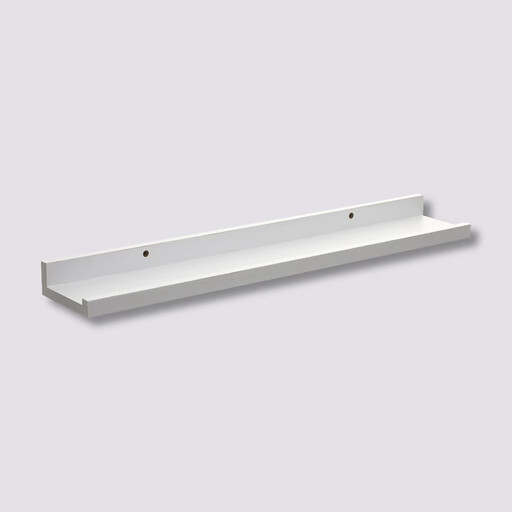
Why it suits this profile: This compact wall shelf is suitable for small items, spices, photos or lightweight decorations in the kitchen, living room or home office.
The dimensions and maximum load of 3 kg are clearly stated. This makes it clear from the outset that the shelf is intended for lightweight storage, not heavy books or boxes.
58 cm wide, 10 cm deep, MDF with a wood-effect finish, and suitable for one-person assembly with a stated assembly time of approximately 30 minutes.
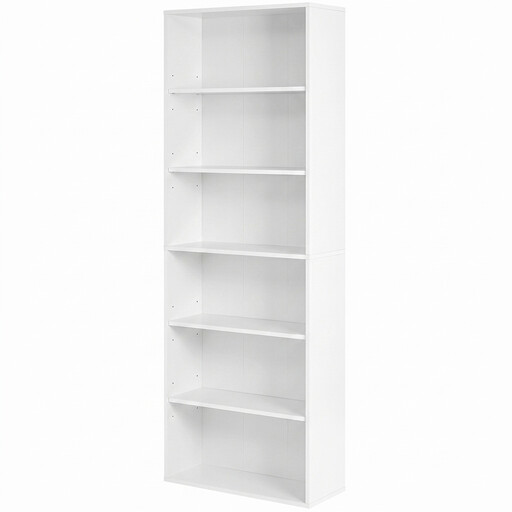
Why it suits this profile: The tall, white open cabinet is ideal for a living room, dining room or home office where vertical space matters more than a wide cabinet.
The cabinet measures 24 x 60 x 178.5 cm and has four height-adjustable internal shelves. The maximum static load per shelf is 5 kg, removing any uncertainty about storing heavier items.
Six open levels, adjustable shelves and an anti-tip kit included for securing the cabinet to the wall.
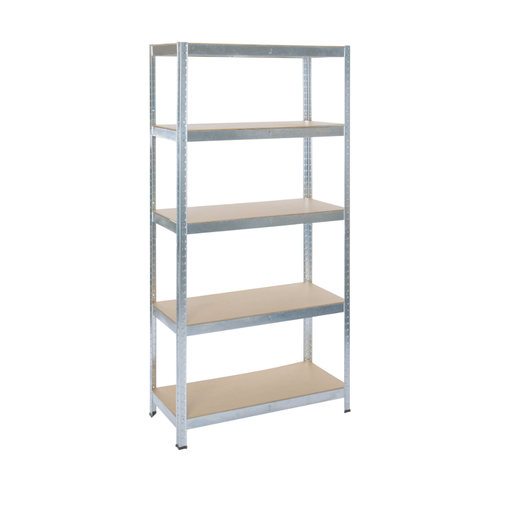
Why it suits this profile: This metal shelving unit is designed for garages, basements, workshops, storage rooms or warehouses where boxes, tools and supplies require substantial load capacity.
The specifications state that it has five adjustable MDF shelves, each with a maximum load of 175 kg. MDF is still susceptible to moisture and must be protected in a damp room.
Dimensions of 180 x 90 x 40 cm, adjustable levels and a screwless slot-in assembly system requiring no special tools.
We’ve put together a complete, up-to-date list of products that fully meet these strict selection criteria and the applicable European safety regulations.
Place the cabinet on a level surface and use the supplied anti-tip kit, if provided. Choose wall plugs and screws suitable for your wall. If you are unsure about plasterboard, concrete or a hollow wall, it is best to follow the manufacturer’s fixing advice.
Its lifespan depends on the material, load, assembly and moisture levels. An indoor cabinet will generally stay in good condition for longer if you respect the maximum load capacity and clean up any spilled liquid immediately. For a shelving unit, regularly check the connections, shelves and any signs of rust.
A storage cabinet does not use electricity. The main costs are the purchase price, any assembly and suitable storage boxes or fixing materials. For a metal rack intended for intensive use, a slightly higher purchase price may be worthwhile if its load capacity and adjustability meet your storage needs.
