
Vandaag of morgen in huis

Kwaliteit gegarandeerd

Welkomstaanbiedingen ontgrendelen: GRATIS bezorging | Tot 80% korting | Gratis 30 dagen JoyPlus-proefperiode
Download de app
A storage cabinet should do more than simply look good. It needs to fit the available space, support the weight of your belongings and remain safely in place. Yet many shoppers focus mainly on colour and price. As a result, a cabinet can turn out to be too deep, unstable or awkward to use once it is at home.
The following pitfalls are common:
The right choice depends on its function, not just its style.
A bookcase is suitable for books, plants and decorative items. A tall, narrow bookcase makes particularly good use of vertical space. A shelving unit or storage rack is better suited to a garage, utility room or pantry, where load capacity and accessibility matter more than a closed appearance.
For smaller items, a wall shelf or wall rack can be a practical solution. They take up no floor space and can, for example, be installed above a desk, worktop or changing table. In a bathroom, a compact bathroom rack can organise shampoo, towels and toiletries. A kitchen rack is more convenient than a large cabinet for herbs and storage jars.
A living room cabinet or cube storage unit combines storage with display space. Bear in mind, though, that an open layout only looks tidy when you keep its contents organised.
Make a note of the following in advance:
A narrow bookcase is not automatically suitable for every small space. A model may take up very little floor space, but still need fixing because of its height. For example, a wall shelf measuring 58 x 10 x 4 cm is intended for small decorative items or herbs, not heavy stacks of crockery.
Many models use chipboard, MDF, metal or a combination of these materials. MDF has a smooth surface and is often used for compact furniture. Chipboard is commonly used for shelves and compartments. A steel frame can provide additional support, but the joints and wall anchoring remain important.
Always check the load rating:
For an FSC-certified cabinet, FSC refers to the origin of certain wood materials from a certified supply chain. It does not automatically say anything about maximum load, ease of assembly or service life. Check these properties separately.
Check whether the product includes an anti-tip kit, wall brackets or fixing hardware. With a cabinet used as a room divider, extra care may be needed because it is accessible from multiple sides. For wall mounting, use plugs and screws that are suitable for your type of wall. A plug for concrete is not the same as a fixing for plasterboard.
Follow the assembly instructions step by step. Do not fill a tall cabinet immediately before all the connections have been secured and its stability has been checked.
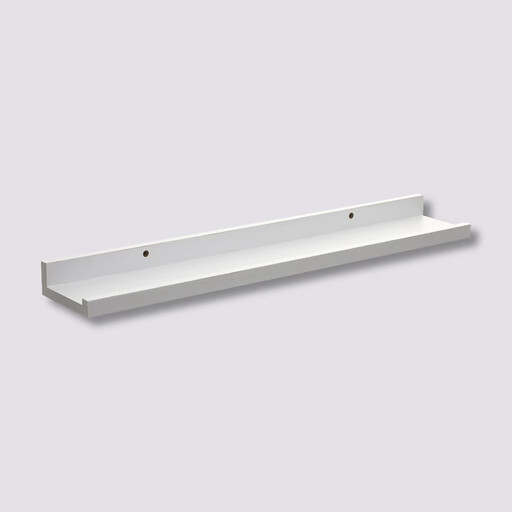
Why it suits this profile: This compact wall shelf takes up very little space and is suitable for small decorative items, herbs or lightweight office supplies. The stated dimensions are 58 x 10 x 4 cm.
The depth and maximum load of 3 kg are clearly stated. This makes it easier to match the shelf to lightweight items and avoid overloading it.
MDF, FSC certification statement, one-person assembly and an estimated assembly time of 30 minutes.
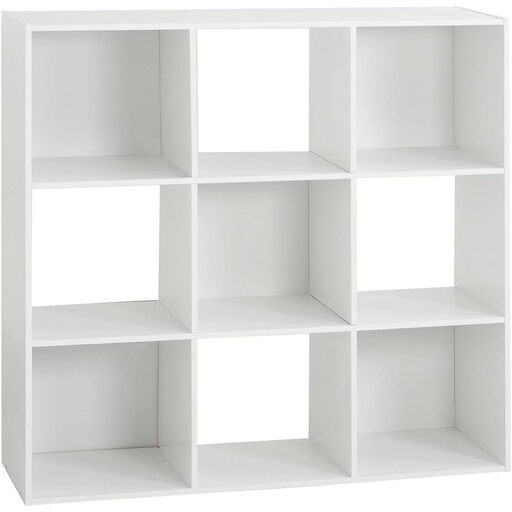
Why it suits this profile: The nine compartments provide a structured layout for books, baskets and decorative items in the living room, bedroom or home office.
According to the product information, the cabinet can be fixed to the wall or placed on the floor. The maximum load of 65 kg is stated; heavy items should be kept at the bottom.
Nine open compartments, 100.5 cm wide, FSC certification statement and a back panel included.
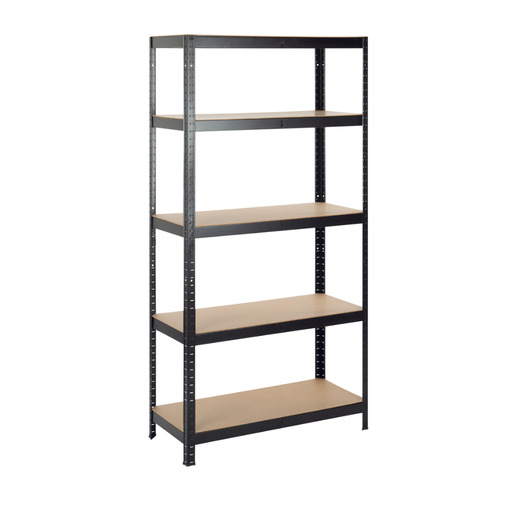
Why it suits this profile: This storage rack is designed for garages, cellars, utility rooms or pantries where a large amount of material needs to be stored across several levels.
The instructions specify placing it on a level surface, distributing weight evenly and checking the fixings regularly. This makes the conditions for use clear.
MDF shelves, galvanised steel, five levels and a stated load capacity of up to 175 kg per shelf. Not suitable for damp outdoor areas.
We have put together a complete, up-to-date list of products that fully meet these strict selection criteria and the applicable European safety regulations.
Use the supplied anti-tip kit if one is included. Choose plugs and screws that are suitable for your type of wall. Place heavy items at the bottom and check that the cabinet is stable after assembly. Do not allow children to climb on the shelves or hang from the compartments.
Its service life depends on the material, load, moisture, assembly and everyday use. MDF and chipboard generally stay in good condition for longer when kept dry and not overloaded. Check the screws and joints regularly. Several of the models mentioned come with a minimum two-year statutory guarantee; additional rights may apply.
A cabinet usually has no daily energy consumption. The main additional costs are assembly, suitable wall fixings and, potentially, storage boxes or baskets. With a bathroom rack or kitchen rack, maintenance and moisture-resistant positioning may require extra attention.
