
Vandaag of morgen in huis

Kwaliteit gegarandeerd

Welkomstaanbiedingen ontgrendelen: GRATIS bezorging | Tot 80% korting | Gratis 30 dagen JoyPlus-proefperiode
Download de app
A storage cabinet can help keep your living room, kitchen or bathroom tidy. But a piece of furniture that looks great in a product photo isn’t always practical for everyday use. It may be too deep for the available space, have insufficient load capacity or be unsuitable for a damp room.
So don’t focus only on colour and style. Pay particular attention to the layout, dimensions, materials and safety information. These tips will help you compare a sideboard, chest of drawers, bathroom cabinet or freestanding cabinet and find one that suits your household.
A cabinet may look spacious but offer little usable storage. The number of doors alone, for example, doesn’t tell you how much you can fit inside. Check the number of shelves, the space between them and the internal dimensions, if available.
A chest of drawers is handy for small items, cutlery or accessories. A cabinet with doors keeps contents out of sight and helps reduce dust. Open compartments are practical for things you use often, but can make a room look cluttered more quickly.
A wooden storage cabinet, MDF unit or chipboard cabinet may be suitable for a living room, but that doesn’t automatically mean it’s right for a damp bathroom. Check the product information for moisture resistance, the finish and the clearance from the floor.
According to the HaluPeit model’s product description, this bathroom cabinet is made with moisture-resistant MDF and metal components. This information comes from the seller and should be treated as a product specification, not a guarantee that the cabinet will remain free from water damage or mould in all conditions. Direct splashes and prolonged condensation are still factors to consider.
A storage unit holding heavy crockery, books or food supplies needs to have sufficient load capacity. Check the maximum total weight and, where possible, distribute heavier items across the lower sections.
Tip-over protection is also important for a tall, freestanding cabinet. Use wall anchors suitable for your type of wall and check regularly that the fixings are still secure. Avoid placing heavy items at the top unless necessary.
First, measure the space where you plan to put the cabinet. Bear in mind:
A living room cabinet or sideboard around 70 to 100 cm wide is often easier to fit into a flat than a large wall unit. In a small bathroom, a shallow cabinet with open compartments may be more practical than a wide unit with deep doors.
Choose a layout based on what you want to store:
A chest of drawers is generally designed for a living room or dining area. A kitchen cabinet should fit the available working and circulation space. For a bathroom, a raised base, a suitable finish and good ventilation are all worth considering.
Check the material used for the cabinet frame, drawers, back panel and fittings separately. MDF and chipboard are not the same as solid wood, and may react differently to moisture, screws and weight. Metal drawer runners can help make a unit sturdy, but check the stated maximum load too.
Take extra care with glass components, such as the door of a sideboard. According to the product information, toughened glass is stronger than ordinary glass, but can still produce sharp edges if it breaks. Use the furniture as intended and don’t let children climb on it.

Why it suits this profile: This compact chest of drawers offers an organised layout for a bedroom, living room, hallway or home office, without taking up much floor space.
The dimensions, number of drawers and maximum load capacity of 80 kg are clearly stated. This means you can compare the cabinet using specific details, rather than judging it on looks alone.
Three drawers, dimensions of 73 x 48 x 78 cm and steel components in the drawer runners. Assembly is required; the stated assembly time is 30 minutes for one person.
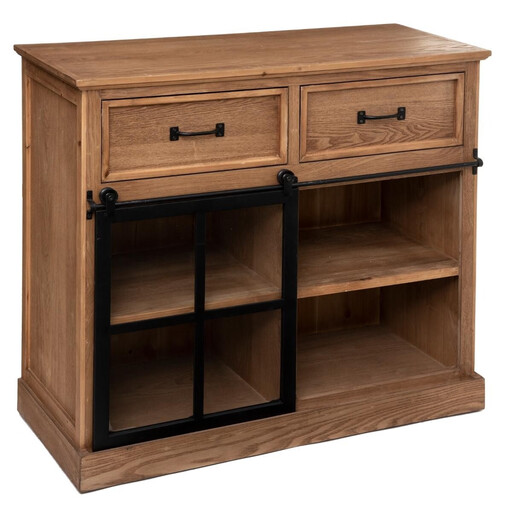
Why it suits this profile: This sideboard combines a wood-effect look with a toughened glass door and metal details. It’s a good fit if you want to combine storage with a striking piece of living room furniture.
The product details specify a maximum load capacity of 75 kg, two shelves, one door and two drawers. They also clearly state that the unit is for indoor use and must be fixed to the wall.
Two drawers for smaller items, a glass door and a stated two-year warranty. The construction includes MDF, pine veneer, steel and toughened glass.
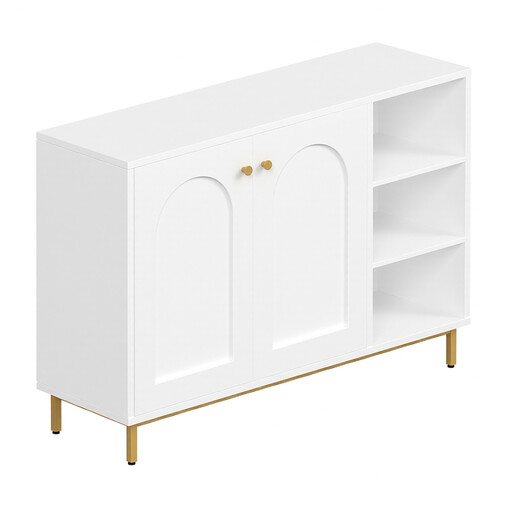
Why it suits this profile: This freestanding bathroom cabinet is designed for anyone who wants to store towels, toiletries and other bathroom essentials separately.
The product description lists three adjustable shelf heights, a raised base of 12,5 cm and anti-tip protection. Before buying, check that your bathroom has suitable ventilation and that the cabinet can be positioned appropriately.
Two doors, three open compartments and adjustable shelves. The stated dimensions are 35,5 x 100,5 x 75,5 cm and the weight is 22,6 kg.
We’ve put together a complete, up-to-date list of products that meet these strict selection criteria and the applicable European safety regulations.
Check all the parts after delivery and before assembly. Make sure a freestanding cabinet is level, use the wall fixings supplied or suitable alternatives, and don’t exceed the maximum load capacity. According to the product information, the products mentioned come with a minimum two-year legal guarantee; additional rights may apply under the relevant Dutch legislation.
Place the cabinet on a stable, level surface and secure a tall or freestanding model to the wall using anchors suitable for your type of wall. Spread heavy items across the lower shelves and don’t let children hang from the drawers or doors.
No. Check the stated materials and whether the cabinet is suitable for damp rooms. Even a model described as moisture-resistant should be protected from prolonged condensation and direct splashes. Make sure the room is well ventilated and dry up any spilled water promptly.
Its lifespan depends on the materials, assembly, load and care. A cabinet that stands level, isn’t overloaded and is used according to the instructions is less likely to suffer premature damage. Check the hinges, drawer runners and wall fixings regularly.
