
Vandaag of morgen in huis

Kwaliteit gegarandeerd

Welkomstaanbiedingen ontgrendelen: GRATIS bezorging | Tot 80% korting | Gratis 30 dagen JoyPlus-proefperiode
Download de app
A storage cabinet can keep many belongings out of sight, but not every model suits every home. A cabinet that looks compact in an online shop may still be too deep for a small hallway. And a fabric wardrobe that promises plenty of compartments will not always offer enough load-bearing capacity for heavy boxes.
For Dutch households, students and apartment dwellers, three pitfalls are particularly relevant:
With the right specifications, you can choose a storage cabinet for the bedroom, living room, hallway, office or bathroom that suits your space and how you use it.
Start with the items you want to store. Clothing needs hanging space and shelves, while shoes, books and small accessories each require a different layout.
Measure the available space at three points: width, height and depth. Also allow for skirting boards, sockets and doors. A living-room cabinet should not block the passageway; in a narrow bedroom, vertical, space-saving storage is often more practical than a wide model.
Also check the dimensions of the packaging if you live in an apartment. A cabinet measuring 186 cm high may not be easy to turn around in every room once assembled.
Chipboard and MDF are commonly used materials for fixed furniture. Metal and plastic can be practical in spaces where easy cleaning is important. Fabric models generally consist of metal tubes, plastic connectors and a non-woven cover.
Pay attention to the difference between:
Do not use a cabinet above the stated limit. Distribute heavy items evenly and keep them low down. An open storage rack with compartments rated for a maximum of 10 kg requires a different arrangement from a metal cabinet with an adjustable shelf.
Tall bookcases and wardrobes must be secured to the wall in accordance with the product instructions. Check beforehand whether the supplied anti-tip kit is suitable for your wall type; different wall plugs may be needed for concrete, brick and plasterboard.
For everyday maintenance, a smooth plastic or metal cabinet is usually easy to wipe clean. Fabric covers and storage boxes can generally be cleaned with a slightly damp cloth. Allow fabric to dry completely before folding or closing it, to prevent musty smells.
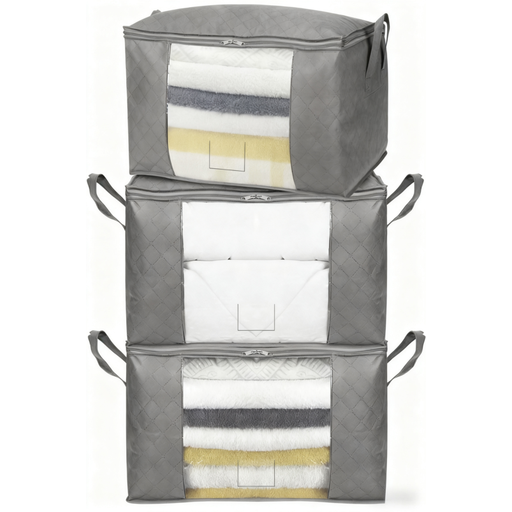
Why it suits this profile: A practical starting point for students and residents with limited cupboard space. The three bags are foldable and designed for clothing, accessories and lightweight items.
The dimensions and load capacity are clearly stated: approximately 48 x 36 x 20 cm per bag and a maximum of 5 lb, or around 2.27 kg. This makes it less likely that you will use them for heavy items.
Set of three, zip fastening, handles and foldable design. According to the product information, they can be cleaned with a damp cloth.
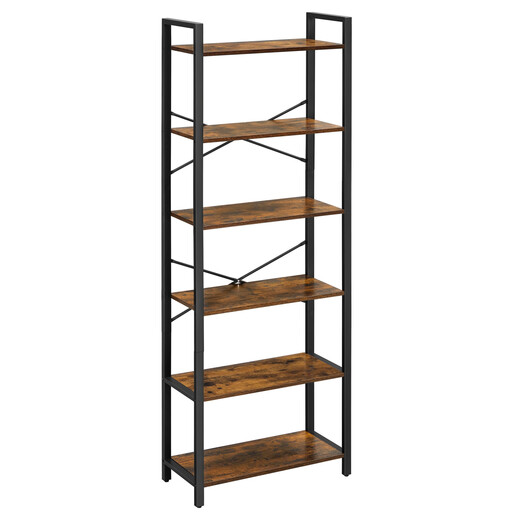
Why it suits this profile: Ideal for anyone looking for plenty of vertical storage in a living room, study or bedroom without taking up much floor space.
The product description mentions an anti-tip kit, adjustable feet and X-shaped support. The cabinet must be secured to the wall before use.
Six tiers, a slim 30 cm-deep profile and a stated total static load of 60 kg.
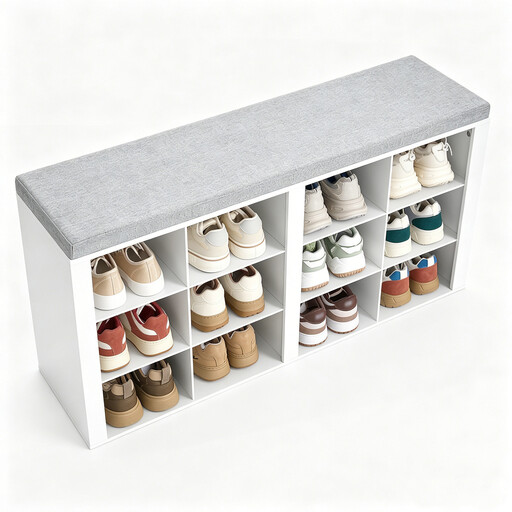
Why it suits this profile: A practical choice for a busy household that wants to organise shoes in the hallway while also having a place to sit.
According to the product description, the shelves are height-adjustable for trainers, boots and high-heeled shoes, among others. The seat cushion cover is removable.
Dimensions of 30.5 x 104.5 x 49.5 cm, 12 compartments and a load capacity of 150 kg stated by the supplier.
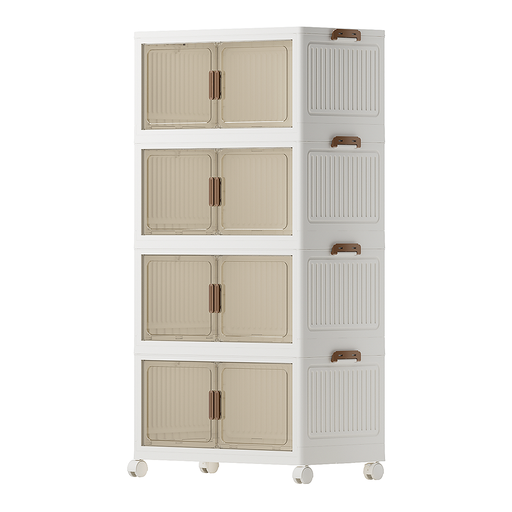
Why it suits this profile: Handy for an apartment, student room or home office where you sometimes move your belongings between rooms.
The product information states a width of 55 cm, four compartments and tool-free magnetic assembly. Before use, check that all fastenings are fully secured.
Foldable design, nylon wheels and a smooth PP surface that, according to the description, can be cleaned with a soft damp cloth.
We have put together a complete, up-to-date list of products that fully meet these strict selection criteria and the applicable European safety regulations.
It depends on the space and the items you want to store. First measure the available area, allowing for doors, skirting boards and walkways. For a small room, a narrow, tall storage rack is often more efficient than a wide cabinet. Also check the internal dimensions of the compartments, especially for shoes, storage boxes and ring binders.
Place the cabinet on a level surface and secure it to the wall using the supplied anti-tip kit. Use fixings suitable for your wall. Put heavy items at the bottom and never climb on a bookcase, chest of drawers or storage bench.
Smooth plastic surfaces or moisture-resistant metal components are practical for a bathroom or kitchen. That does not mean every model is suitable for prolonged exposure to water. Check the product information and do not place a cabinet next to a shower, bath or direct heat source if this is not recommended.
