
Vandaag of morgen in huis

Kwaliteit gegarandeerd

Welkomstaanbiedingen ontgrendelen: GRATIS bezorging | Tot 80% korting | Gratis 30 dagen JoyPlus-proefperiode
Download de app
An storage cabinet may seem easy to choose, until you factor in moisture, load capacity, assembly and layout. A cabinet can look spacious in photos, but in practice be too deep for the hallway, provide insufficient ventilation in the bathroom or have barely any usable shelves.
Pay particular attention to these three common pitfalls:
First, measure the area where the cabinet will stand. Note the height, width and depth, and leave a few centimetres of clearance around it for skirting boards, doors and cables. Also check whether the packaging will fit through the front door, up the stairs or into the lift.
A low cabinet measuring 80 x 40 x 76 cm could function as a sideboard, TV unit or console table. A tall kitchen cabinet measuring 40 x 100 x 180 cm, on the other hand, requires sufficient wall space and a stable surface. In a small bathroom, a shallow bathroom cabinet is often more practical than a wide unit with doors.
Think in advance about what you want to store:
For a living room, a multifunctional cabinet with a closed section and open compartments can be a practical combination. In a kitchen, adjustable shelves, a sturdy worktop and sufficient ventilation are more important than colour alone.
Many pieces of furniture combine chipboard or MDF with metal, glass or plastic. Check the exact product specifications and the maximum weight per shelf or worktop. It is best to place heavy items at the bottom.
A metal storage cabinet with a steel body is generally easy to clean. According to the product description for the model concerned, the steel cabinet is moisture-resistant; this does not mean that it is designed for prolonged contact with water. Wipe up any spills promptly and check whether the cabinet is suitable for your bathroom.
For board materials, a designation such as FSC may be relevant if you value certified wood sources. For furniture with glass, you should also pay attention to the warnings regarding load capacity, assembly and use by children.
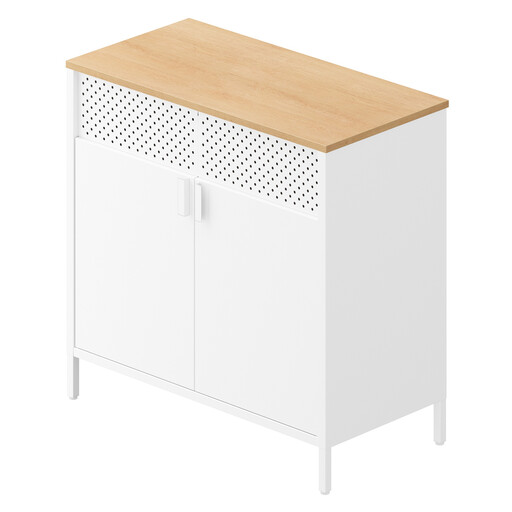
Why it suits this profile: This compact cabinet measuring 80 x 40 x 76 cm fits in a living room, dining room, office or hallway and can serve a variety of purposes.
The adjustable shelf prevents you from being limited to storing only small items. The included anti-tip kit helps with safe positioning; wall anchoring is still essential.
Steel housing, magnetic closure, adjustable shelf and a top with a specified static load capacity of 50 kg.
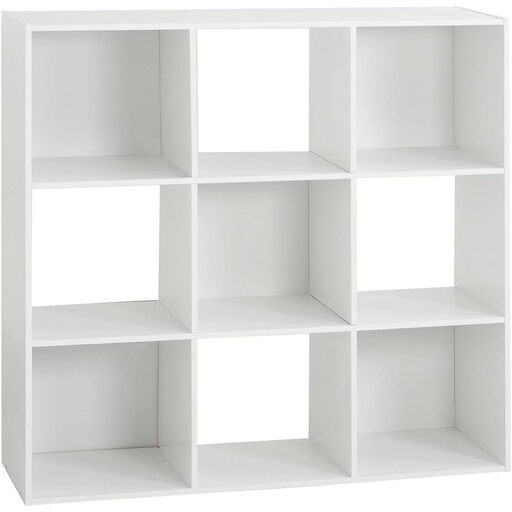
Why it suits this profile: The nine compartments provide an organised layout for a living room, child’s bedroom, office or hallway.
The fixed compartment layout makes the available space clear from the outset. Place heavy objects at the bottom and do not use the cabinet as climbing furniture.
Nine open compartments, white finish, FSC designation and a specified maximum load of 65 kg for the unit.
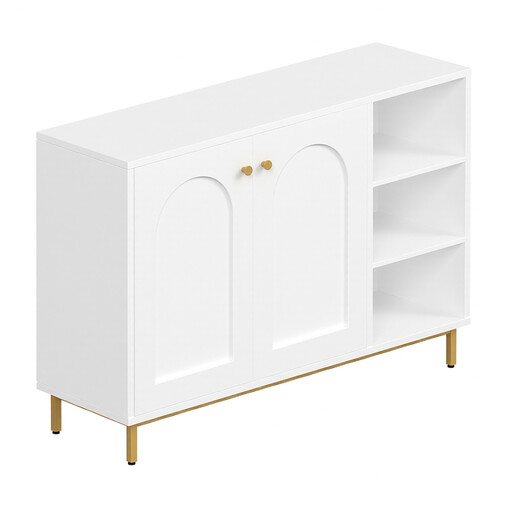
Why it suits this profile: Measuring approximately 35.5 x 100.5 x 75.5 cm, this cabinet combines enclosed storage with three open shelves for a bathroom or kitchen.
The raised base limits direct contact with the floor. According to the product description, the materials are moisture-resistant; nevertheless, avoid standing water and check the assembly carefully.
Three adjustable shelf heights, two doors, three open shelves and an anti-tip device according to the product information.
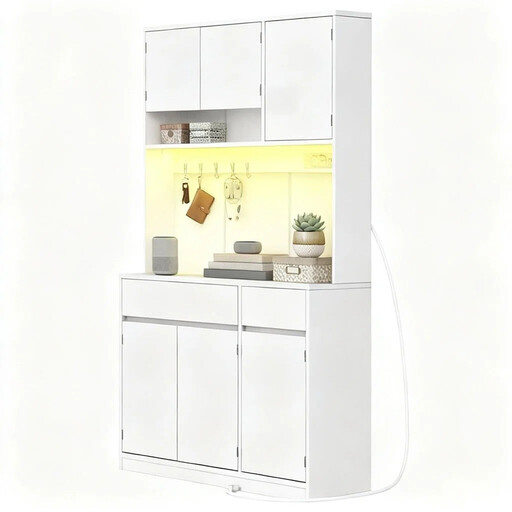
Why it suits this profile: This tall unit is designed for households that want to combine kitchen supplies, crockery and small appliances in a single cabinet.
The combination of adjustable shelves, drawers and a worktop prevents one large compartment from becoming impractical. Secure the unit using the included anti-tip device.
Dimensions of 40 x 100 x 180 cm, two drawers, adjustable shelves, two sockets and two USB ports according to the product description.
We have compiled a complete, up-to-date list of products that fully meet these strict selection criteria and the applicable European safety regulations.
Check the following before completing your purchase:
Look for a slim bathroom cabinet with limited depth, adjustable shelves and a raised base. This allows you to make use of the height without blocking the passageway. Measure the space beside the washbasin beforehand and allow for doors that open outwards.
Its lifespan depends on the material, load, assembly and maintenance. Position the cabinet on a level surface, do not exceed the stated load capacity and avoid prolonged exposure to moisture. With board materials, damage to the edges and underside is a particular concern.
Neither type of cabinet uses electricity. The main difference is convenience and maintenance: open compartments provide immediate access but can collect dust more quickly. A cabinet with doors keeps the contents more out of sight and can therefore create a calmer look in the living room, kitchen or hallway.
