
Vandaag of morgen in huis

Kwaliteit gegarandeerd

Welkomstaanbiedingen ontgrendelen: GRATIS bezorging | Tot 80% korting | Gratis 30 dagen JoyPlus-proefperiode
Download de app
A storage cabinet may seem like a straightforward purchase, until you discover that it will not fit through the hallway, the shelves do not offer enough space or shoes keep sitting at an angle. Every centimetre counts, particularly in Dutch homes, student rooms and flats. The right cabinet therefore needs to suit the available space, the type of items you want to store and the way you use it every day.
A cabinet that is 30 cm deep may seem narrow, but doors, skirting boards and handles can require extra space. So measure more than just the width:
With a hallway storage cabinet, the walking space is particularly important. A narrow shoe cabinet may fit, while a cabinet with wide hinged doors could still obstruct the passage.
A stated maximum load does not automatically mean that a cabinet will stand safely. A narrow or tall cabinet can tip over if used incorrectly. Put heavy items at the bottom and always follow the instructions for securing it to the wall. A cube storage unit or storage rack without proper anchoring is less suitable for climbing, sitting or storing heavy boxes.
An open cabinet gives you a quick overview, but books, toys and clothing collect dust more quickly. In a bathroom or kitchen, a smooth surface is also more practical than untreated wood. A plastic storage cabinet is easy to wipe clean, but check that it is intended for indoor use and is not placed too close to a heat source.
First decide what you want to store. For shoes, the width and compartment height are more important than simply the total number of compartments. Tall boots require adjustable or removable shelves. For books and storage boxes, a cube storage unit with straight, wide compartments is often more convenient.
A model with adjustable shelves can adapt as your storage needs change. However, check that the product description clearly states that the shelves are adjustable or removable. The HaluPeit shoe cabinet with two doors is listed as having adjustable and removable internal shelves; the cabinet measures 60 × 24 × 104,5 cm and, according to the product information, can hold up to 12 pairs of shoes.
Chipboard and MDF are commonly used for home storage cabinets. They are suitable for normal household use, but prolonged exposure to moisture and direct contact with water can affect the structure. Metal with plastic connectors is lightweight and practical for a shoe rack or temporary storage rack. PP plastic is easy to clean and suitable for lightweight items, provided you respect the maximum load per shelf.
Look out for specific details such as:
A CE marking on a piece of furniture is not a substitute for safe use. Read the assembly and safety instructions, and place heavy items at the bottom.
An inexpensive cabinet can still be impractical if assembly takes a long time or requires additional tools. Check whether assembly is recommended for one or two people. A mobile storage cabinet on wheels can be useful in a home office, bedroom or bathroom, but it must stand on a level surface. Wheels make it easier to move, but do not automatically make it more stable.
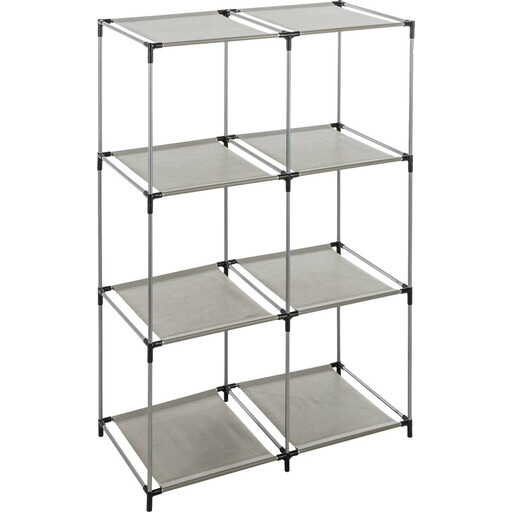
Why it suits this profile: A lightweight storage solution for a student room, playroom, bedroom or study. The dimensions are 68 × 34 × 98 cm.
The product information states a maximum load of 3 kg per box and 15 kg for the unit as a whole. This makes it clearer which items are suitable.
Metal and PP plastic; suitable for baskets up to 31 × 31 cm; must be anchored to the wall.
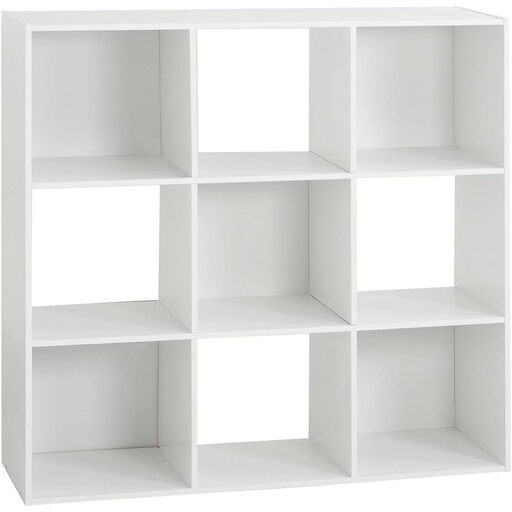
Why it suits this profile: A wide cabinet for books, toys, baskets or decorations in the living room, bedroom or study.
The specifications list 9 compartments, a back panel and a maximum total load of 65 kg. Even so, place heavy items at the bottom.
100,5 × 32 × 100,5 cm; FSC information; can be placed on the floor or wall-mounted; assembly by two people.
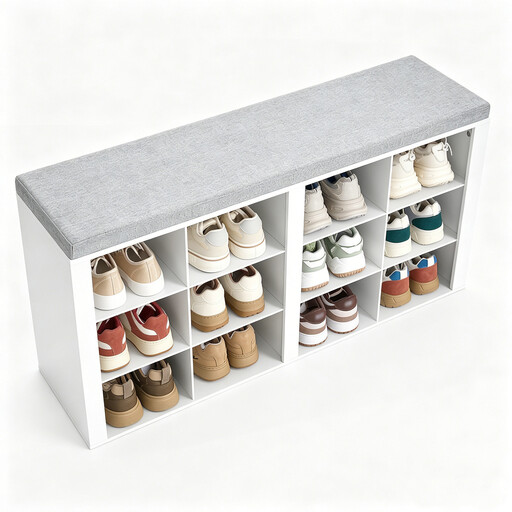
Why it suits this profile: For households looking to combine a shoe cabinet with a seat in the hallway. The cabinet measures 30,5 × 104,5 × 49,5 cm.
According to the product description, the shelves are height-adjustable. The stated load capacity is 150 kg; use the cabinet in accordance with the instructions.
Adjustable shelves; removable seat cushions; a combination of shoe storage and seating.
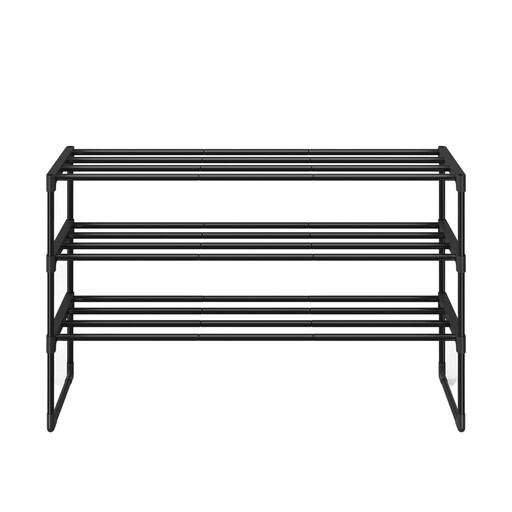
Why it suits this profile: A slim shoe rack for the hallway, cupboard or living room. The model measures 30 × 92 × 55 cm and can be placed side by side or stacked.
The product information states a maximum load of 10 kg per tier and 30 kg in total. This helps you choose suitable shoes and accessories.
Metal tubes; plastic connectors; tool-free assembly; suitable for approximately 16–20 pairs according to the product listing.
We have put together a complete, up-to-date list of products that fully meet these strict selection criteria and the applicable European safety regulations.
Use the fixings and assembly method specified in the instructions. First check the type of wall and use suitable wall plugs. A tall cabinet, cube storage unit or lightweight storage rack often needs to be anchored to reduce the risk of tipping. Put heavy items at the bottom and do not let children climb on the shelves or hang from them.
A shoe cabinet with doors keeps shoes out of sight and reduces dust. A shoe rack is usually lighter, easier to access and often suitable for a small hallway. Choose a narrow shoe cabinet if you want a tidy appearance; choose an open rack if ventilation and quick access are more important.
That depends on the material, load, assembly and maintenance. Follow the maximum load capacity, avoid excessive moisture and check the connections after assembly. A plastic cabinet is easy to clean, while chipboard and MDF should be kept dry. The statutory guarantee for consumer products in the EU continues to apply; additional rights may apply under Dutch law.
