
Vandaag of morgen in huis

Kwaliteit gegarandeerd

Welkomstaanbiedingen ontgrendelen: GRATIS bezorging | Tot 80% korting | Gratis 30 dagen JoyPlus-proefperiode
Download de app
A storage cabinet can quickly bring extra order to a busy household, student home or home office. But a cabinet that looks good on paper isn’t always practical to use. One that’s too deep can block a walkway, open compartments collect dust, and a tall cabinet that isn’t fixed to the wall can pose a safety risk.
When comparing options, don’t focus on colour or price alone. The dimensions, load capacity, access to storage and material all determine whether a storage unit really suits your everyday needs.
A cabinet that’s 30 centimetres deep might seem compact, but you also need to allow for the doors, skirting boards and walking space. Measure not only the available width and height, but also check:
A vertical cabinet can be useful in a narrow hallway or student room. In a small bathroom, a storage cabinet on wheels may be more practical, as you can move it when cleaning.
Books, tableware and pantry items can quickly weigh more than you expect. A cabinet with several lightweight compartments isn’t automatically suitable for heavy items. Check the maximum load per shelf or compartment, not just the overall maximum.
Put heavy items on the lower shelves and distribute the weight. Wall fixings are important for tall models. Follow the assembly instructions and use fixings that are suitable for your type of wall.
An open bookcase keeps books, baskets and home accessories close to hand, but everything is on show and gets dusty more quickly. A cabinet with doors or drawers keeps items more out of sight. A storage cabinet with drawers is handy for smaller items, but drawers can sometimes take up more space than open compartments.
So, first think about what you want to store: clothes, toys, towels, paperwork, kitchen items or decorations.
Measure the space and compare it with the product dimensions. Pay attention to the difference between width, depth and height, as these details aren’t presented in the same way for every product.
For space-saving storage, narrow, tall models are a good choice when floor space is limited. A low cabinet may fit better beneath a window or work well as an extra surface. A cube storage unit offers flexible compartments for baskets, books and accessories.
Many storage units are made from chipboard, MDF, treated wood, bamboo or plastic. Each material has practical considerations:
Read claims about sustainability or material choice as information provided by the seller. For example, some 5Five models are listed as FSC-certified; always check the latest product specifications.
Check whether assembly is required, how many people are recommended and whether anti-tip fixings are included. A tall cabinet should stand securely on a level floor. If you have children at home, it’s a good idea to secure the cabinet to the wall if the instructions recommend doing so.
A folding cabinet can be handy when moving house, but check that its construction is suitable for the load you have in mind. If the model has wheels, lock the brakes when the cabinet is stationary.
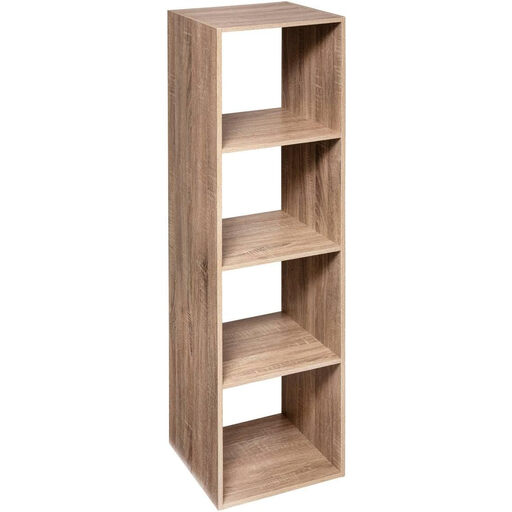
Why it suits this profile: This open storage unit has four compartments for books, baskets or home accessories and stands 134 cm tall. It’s a good fit if you’re looking for straightforward, well-organised storage.
The product information gives a maximum load of 35 kg and recommends securing the unit to the wall and placing heavy items at the bottom. This makes it easier to plan how to distribute the load.
Four open compartments, an FSC certification listing and assembly in around 30 minutes with two people.
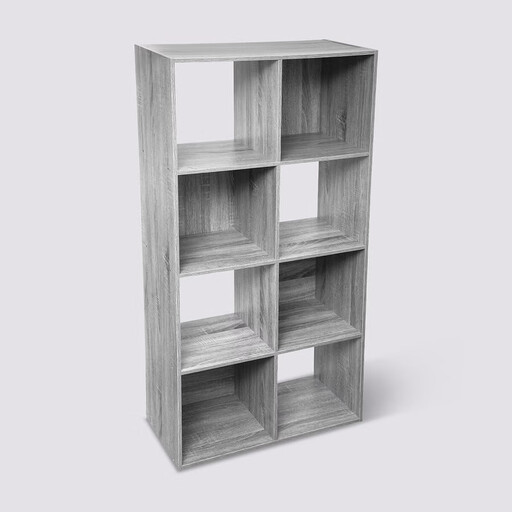
Why it suits this profile: At 67.5 cm wide and with a maximum load of 60 kg, this is an option for anyone who needs more permanent storage in a living room, office or bedroom.
The product details include the dimensions, weight, load capacity and assembly advice for two people. That way, you don’t have to rely solely on a general marketing claim.
Maximum load capacity of 60 kg, an MDF back panel and enough space for several categories of belongings.
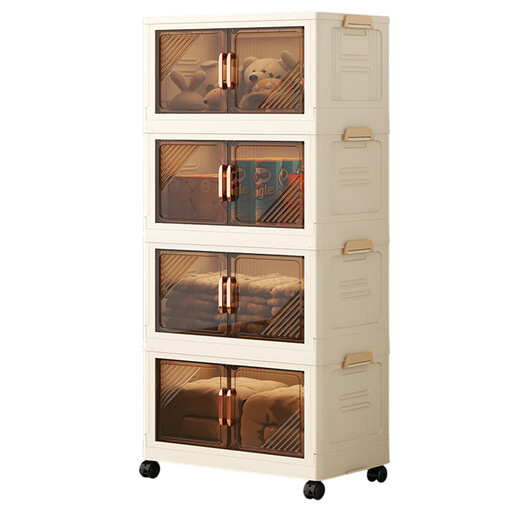
Why it suits this profile: This plastic cabinet is designed for clothes, bedding, toys and household items. Its wheels make it easy to move between rooms.
The cabinet has doors, top access and two lockable wheels. Apply the brakes and don’t exceed the recommended load for each tier.
PP plastic, four tiers, magnetic double doors and folding assembly with no tools required.
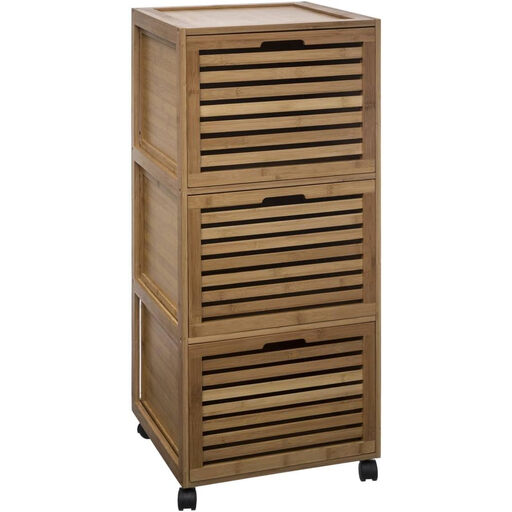
Why it suits this profile: This compact bamboo storage cabinet with three drawers and wheels can be used in the bathroom, kitchen, pantry or bedroom.
The drawers keep small items out of sight, and the wheels make cleaning easier. The stated maximum total load is 35 kg, so distribute items carefully.
Three drawers, four wheels, a height of around 91 cm and a stated total weight of 8.77 kg.
We’ve put together a complete, up-to-date list of products that meet these strict selection criteria and current European safety regulations.
First, make sure the cabinet is level on a firm surface and follow the instructions provided. For wall fixings, use wall plugs and screws that are suitable for your wall. If you’re unsure whether your wall is concrete, brick or plasterboard, it’s best to seek further advice. Put heavy items at the bottom and don’t let children climb on the shelves or drawers.
Its lifespan depends on the material, assembly, moisture and load. A cabinet used within its stated load capacity and kept dry is generally less likely to sag or develop damaged joints. Check the screws, wheels and shelf supports regularly. According to their product information, the products listed come with a minimum two-year statutory guarantee under European consumer rules; this is separate from normal wear and tear or incorrect use.
As well as the purchase price, you should consider assembly, any wall fixings, baskets and maintenance. A cabinet on wheels can make cleaning and moving it easier. A modular or folding model can be handy when moving house, while a fixed cabinet is often suitable for items that will stay in the same place for a long time. Make a list of what you want to store first, then choose a model.
