
Vandaag of morgen in huis

Kwaliteit gegarandeerd

Welkomstaanbiedingen ontgrendelen: GRATIS bezorging | Tot 80% korting | Gratis 30 dagen JoyPlus-proefperiode
Download de app
A storage cabinet may seem like a straightforward purchase, but the wrong choice often only becomes clear after assembly. A cabinet may be too deep for your hallway, unable to bear the weight of your books or awkward to use in a small bathroom. Marketing terms such as “multifunctional” don’t tell you much if the dimensions, materials and layout aren’t right for your needs.
Look out for these common pitfalls:
Don’t just measure the available wall space. Check:
A narrow bookcase around 30 to 40 cm wide can be handy in a hallway, bedroom or home office. A tall cabinet makes use of vertical space, but needs extra attention when it comes to securing it. In a living room, a wider wall unit, a cabinet with compartments or a TV unit is often more practical than several separate pieces of furniture.
A bookcase is suitable for books if its compartments are high and deep enough. For boxes, toys or clothes, a cabinet with drawers or doors may help you keep things organised. Open compartments are easy to access, while doors keep your belongings out of sight.
Always check the maximum weight capacity. Some models list this per compartment, while others give it for the whole piece of furniture. It’s best to place heavy items at the bottom. A storage rack with a metal frame can suit an industrial-style interior, while a chipboard storage unit often has a calm, uniform look.
Chipboard and MDF are common materials for living room cabinets and units with compartments. They’re easy to clean, but not every model is suitable for prolonged exposure to moisture. So, when choosing a bathroom cabinet, pay extra attention to where you’ll use it, ventilation and contact with water.
A bamboo storage cabinet could work well in a bathroom, kitchen or pantry. The bamboo model discussed here has components made from bamboo, MDF, paper and plastic. It’s therefore important to wipe up spills quickly and follow the care instructions.
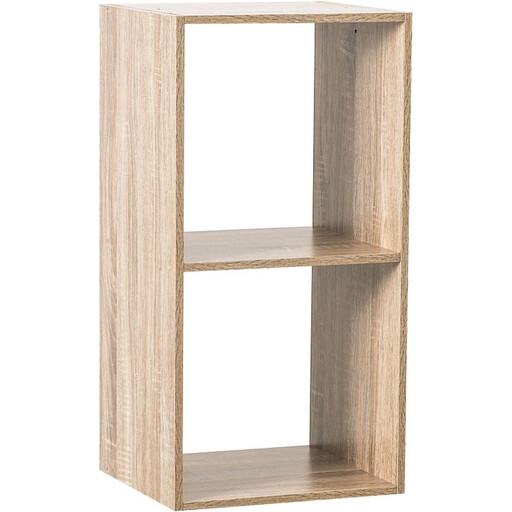
Why it suits this household: Its compact dimensions make it a good fit for a student room, home office or small bedroom. The open compartments and two drawers help you organise books and smaller items.
The width, depth and height are clearly stated. Its maximum weight capacity is 25 kg, so you can make sure the contents are suitable for the cabinet.
34.5 x 32 x 67.6 cm, open compartments, two drawers and FSC information according to the product details.

Why it suits this household: This wide storage unit has ten compartments for books, plants, photo frames and storage boxes. It’s a good fit for a living room, bedroom or home office.
The product details state the maximum weight per compartment and confirm that an anti-tip kit is included. The unit still needs to be secured to the wall for safe use.
129.5 x 29 x 129.5 cm, ten open compartments and a maximum static load of 10 kg per compartment.
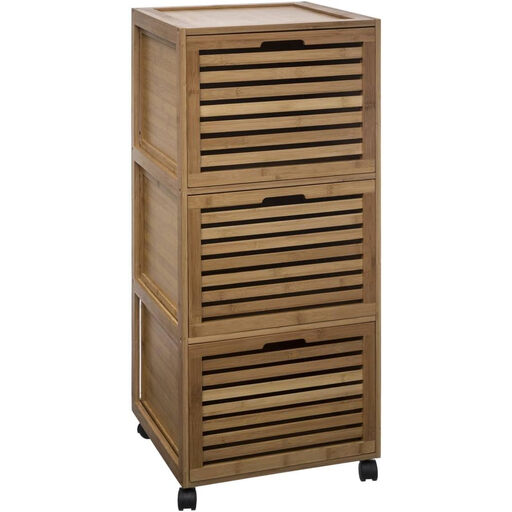
Why it suits this household: The three drawers and castors are handy for towels, toiletries, pantry items or kitchen essentials. The unit is 91 cm high and easy to move.
The dimensions, maximum weight capacity of 35 kg and material composition are all listed. This helps you decide in advance whether it’s suitable for use in a damp room.
41 x 41 x 91 cm, three drawers, castors and a construction using bamboo, MDF and paper according to the product specifications.
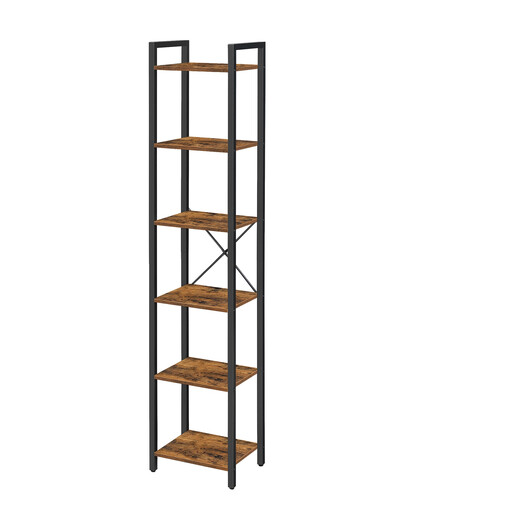
Why it suits this household: Its tall, narrow design makes use of an empty corner in a hallway, living room, bedroom or study without taking up much floor space.
The cabinet is 187.5 cm high and comes with an anti-tip kit. Check the ceiling height beforehand and secure the unit to the wall.
30 x 40 x 187.5 cm, six tiers, a weight capacity of up to 50 kg and a combination of chipboard and steel.
We’ve put together a complete, up-to-date list of products that meet these strict selection criteria and the applicable European safety regulations.
Place the cabinet on a level surface and follow the assembly instructions. Use the anti-tip kit provided, if available. Check that the wall and fixings are suitable for the furniture. Heavy items should go at the bottom, and children shouldn’t climb or hang from shelves, doors or drawers.
Its lifespan depends on the material, assembly, load and care. A cabinet used within its stated weight capacity and kept away from prolonged exposure to moisture will generally stay in good condition for longer. Check the screws and wall fixings after assembly, and tighten them if necessary.
The price depends on factors such as size, material, number of compartments, drawers and doors, and any assembly features. So, don’t compare just the purchase price; consider the weight capacity, dimensions and suitability for your space too. That way, you’re less likely to need extra boxes, fixings or a second cabinet later.
