
Vandaag of morgen in huis

Kwaliteit gegarandeerd

Welkomstaanbiedingen ontgrendelen: GRATIS bezorging | Tot 80% korting | Gratis 30 dagen JoyPlus-proefperiode
Download de app
Extra storage sounds simple, until a cabinet won’t fit through the door, wobbles or can’t hold as much weight as you expected. A storage cabinet needs to suit your interior, as well as the room and the way you plan to use it. This applies to a shelving unit in the garage, a bookcase in the living room and a compact kitchen rack.
A wooden cabinet, metal shelving unit or open cabinet can look sturdy, even if it’s designed mainly for lightweight items. Always check the stated maximum load capacity. Also look at the difference between the total load capacity and the weight each shelf can hold.
Product dimensions are usually listed as length, width or depth, and height. In a narrow hallway, even a few centimetres can make a difference. Measure not only the available space, but also doorways, skirting boards and the room you’ll need to assemble the cabinet.
A tall cabinet with open compartments has a higher centre of gravity. Some models need to be secured to the wall or come with anti-tip fittings. For wall mounting, you’ll need wall plugs and screws suited to the type of wall in your home. A fixing kit for concrete isn’t automatically suitable for plasterboard.
A wooden cabinet or one made from engineered wood often works well in a living room or bedroom. Check the difference between solid wood, MDF and chipboard. Each material has different properties when it comes to weight, moisture resistance and finish.
A metal rack is practical for a utility room, garage or kitchen, but check that the shelves and joints can support the weight you have in mind. For a bathroom, moisture resistance matters more than an industrial look. An FSC mention in a product description tells you something about the source of certain wood materials, but it doesn’t automatically indicate load capacity or lifespan.
Put heavy boxes, kitchen appliances or books on the lower shelves. With a cabinet with compartments, it’s best to distribute the load evenly. Never exceed the stated maximum. If only a total weight is listed, don’t assume that each shelf can hold the same weight.
For a compact kitchen, a kitchen storage rack with two tiers may be more practical than a tall cabinet. A narrow wall shelf makes use of vertical space, while a wide room-divider bookcase can divide an open-plan living room into zones. With an open cabinet, bear in mind that its contents will be on show and may gather dust. Closed doors provide more coverage, but often need extra clearance when opened.
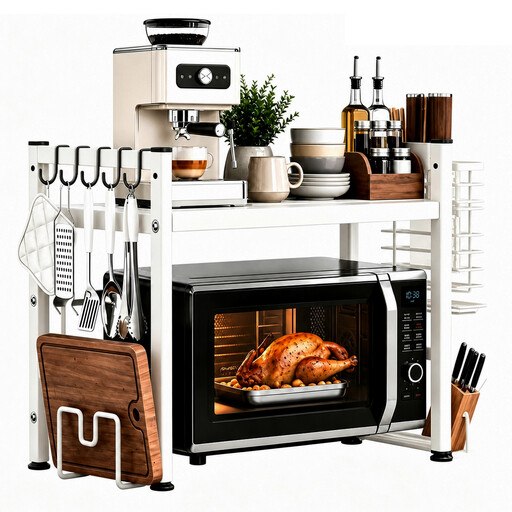
Why it suits this type of buyer: A compact solution for anyone looking for extra worktop and storage space in the kitchen without adding a full-sized cabinet.
The two tiers, five hooks and chopping board holder make the layout clear. Before buying, check the current load capacity and the space available around your microwave.
Steel construction, two storage tiers and extra features for kitchen utensils, according to the product name and specifications.
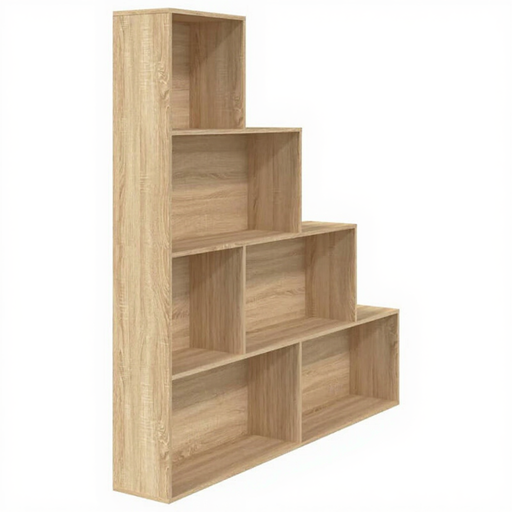
Why it suits this type of buyer: Ideal if you’re looking for a large open bookcase that combines space for books, media and decorative items with a clear way to divide your living room.
The stated dimensions of 155 x 24 x 160 cm and six open shelves make it easy to check the capacity. For wall mounting, you’ll need screws and wall plugs suited to your wall type; these aren’t included.
Six open compartments, engineered wood and a design that can also be used as a room-divider bookcase.
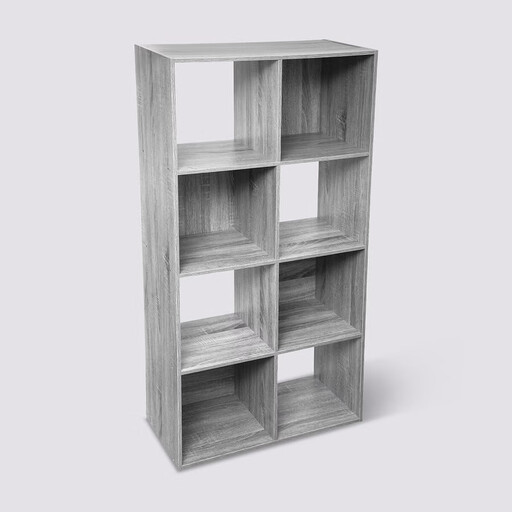
Why it suits this type of buyer: A tall shelving unit for the living room, bedroom, hallway or utility room, when vertical storage matters more than a wide footprint.
The dimensions and stated maximum load of 60 kg give you clear points to check. Because it’s tall, a level surface and careful assembly are especially important.
134 cm tall, 32 cm deep, with a grey finish and a stated maximum load capacity of 60 kg.
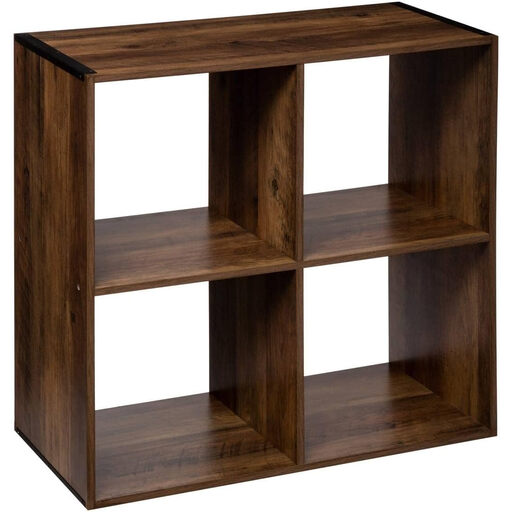
Why it suits this type of buyer: Four compartments offer space for books, baskets or decorative items, and suit industrial or simple interiors.
Its compact dimensions and specified maximum load of 40 kg make it easier to check whether the unit will suit your available space.
Four compartments, designed for indoor use, an FSC mention and a stated maximum load capacity of 40 kg.
We’ve put together a complete, up-to-date list of products that meet these strict selection criteria and the applicable European safety regulations.
First, level the cabinet on a firm surface and follow the assembly instructions. When securing it to the wall, use wall plugs and screws suited to concrete, brick or plasterboard. Put heavy items on the bottom shelves and check that all the connections are secure once assembled.
Its lifespan depends on the material, assembly, load and moisture. A cabinet designed for indoor use shouldn’t be kept in a damp outdoor space. Clean engineered wood with a soft, slightly damp cloth and avoid prolonged contact with water.
The price mainly depends on the dimensions, material, number of shelves, finish and assembly. A compact kitchen rack usually costs less than a tall bookcase or room-divider bookcase. So compare not only the purchase price, but also the load capacity and usable storage space.
