
Vandaag of morgen in huis

Kwaliteit gegarandeerd

Welkomstaanbiedingen ontgrendelen: GRATIS bezorging | Tot 80% korting | Gratis 30 dagen JoyPlus-proefperiode
Download de app
A storage cabinet can quickly create extra space in a bedroom, living room, bathroom or home office. However, disappointing purchases are often caused by an attractive product photo and a low price. The cabinet may turn out to be too deep for the alcove, have less load capacity than expected or offer compartments that do not suit the items you want to store.
So watch out for these three common pitfalls:
Measure the space at three points: width, height and depth. When choosing a tall storage cabinet, also take skirting boards, doors and sockets into account. If you want to attach the cabinet to the wall, you should also check whether the wall and fixing materials are suitable.
A compact storage cabinet is useful for a student room, hallway or next to a desk. A wide storage cabinet with compartments provides more visible storage space, but it also requires a larger area of clear wall.
Also check the packaged dimensions if you live in a flat. A piece of furniture may fit on paper, but still be difficult to carry up a narrow staircase or fit into a lift.
The choice between wood-based panels, plastic and drawers depends on the room and the type of items you want to store:
For a bathroom storage cabinet, it is important that the product information specifically mentions moisture resistance. If this is not stated, do not leave the cabinet in direct contact with water or in an extremely damp area for extended periods.
The maximum load capacity is a verifiable product specification, but it does not always indicate how much weight an individual compartment can hold. If only a total load is specified, distribute the weight evenly and place heavy books, bundles of paper or cleaning products at the bottom.
Also check:
With a mobile storage cabinet or a model on castors, stability is particularly important. Do not move the cabinet when the drawers or compartments are heavily loaded, unless the instructions allow this.
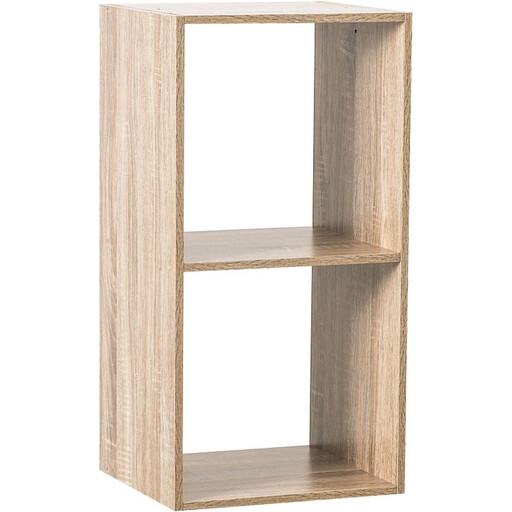
Why this suits the profile: Its compact size is ideal for a student room, hallway or small home office. The open layout keeps books and everyday items within easy reach.
The exact dimensions and maximum load of 25 kg are specified. This allows you to check in advance whether the cabinet suits your available space and belongings.
34.5 × 32 × 67.6 cm; open compartments; according to the product information, assembly does not require two people.
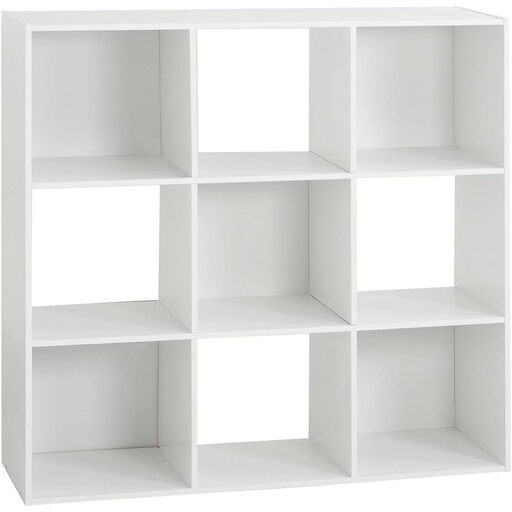
Why this suits the profile: This model is designed for anyone who wants to combine plenty of open compartments with a wide, permanent storage solution in a living room, child's bedroom or office, for example.
The cabinet has nine compartments and a stated maximum load of 65 kg. The product information also specifies floor placement or wall mounting; follow the assembly instructions carefully.
100.5 × 32 × 100.5 cm; FSC mention; includes back panel and shelves; according to the description, assembly takes approximately 30 minutes with two people.
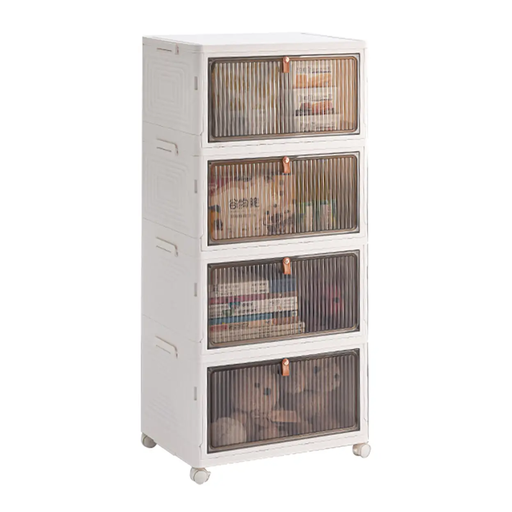
Why this suits the profile: This larger, four-tier plastic storage cabinet is designed for anyone who regularly wants to organise books, toiletries, snacks or office supplies.
According to the product description, the smooth PP surface can be cleaned with a soft cloth. Make sure the cabinet is placed on a level surface and do not exceed the maximum load per shelf.
PP plastic; four tiers; tool-free assembly according to the product information; suitable for indoor use.
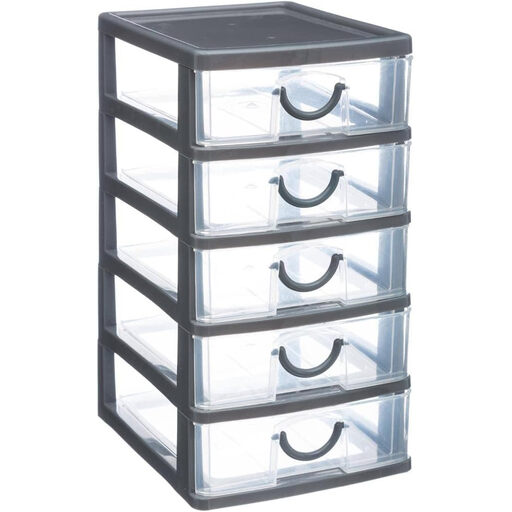
Why this suits the profile: The five small drawers help people working from home, parents and students sort cables, stationery, craft supplies or accessories by type.
The product information states the capacity per drawer: 740 ml, with a total capacity of 3.7 litres. This makes it clear that the model is intended for small items, rather than heavy or bulky objects.
Five drawers; polypropylene; 12 × 15 × 25 cm; labels can help you identify the contents of each drawer at a glance.
We have put together a complete, up-to-date list of products that fully meet these strict selection criteria and the applicable European safety regulations.
First measure the available wall space and take the opening direction of doors and windows into account. A cabinet approximately 32 cm deep may be suitable for a narrow room, but always check that enough walking space remains. Choose drawers if you want to organise small clothing accessories, and an open cabinet when books or baskets need to be readily accessible.
That depends on the product specifications and how it is positioned. PP plastic is practical and easy to clean, but not every model has been tested or described as moisture-resistant. Do not place a plastic storage cabinet in direct contact with water, position it securely and keep it away from heat sources when the manufacturer advises this.
Place the cabinet on a level surface, put heavy items at the bottom and follow the assembly instructions. If wall mounting is possible, check that the fixing materials are suitable for your wall type. Do not allow children to hang from shelves, drawers or cabinets; furniture is not a toy.
