
Vandaag of morgen in huis

Kwaliteit gegarandeerd

Welkomstaanbiedingen ontgrendelen: GRATIS bezorging | Tot 80% korting | Gratis 30 dagen JoyPlus-proefperiode
Download de app
A storage cabinet may seem easy to choose, until you realise how much they can vary in size, material, layout and assembly. A cabinet that looks spacious online might be too deep at home, awkward to open or unsuitable for the items you want to store. A few checks beforehand can help you avoid a purchase you regret.
A cabinet with a modern finish might look great in your hallway or living room, but that tells you little about how practical it is. Always check the internal dimensions, the number of compartments and the maximum load capacity. A slim shoe cabinet, for example, may suit many standard shoes but not tall boots.
Don’t just measure the space where the cabinet will stand. Remember to allow for:
A cabinet that is 60 cm wide might fit in theory, but a skirting board, corner or socket could reduce the available space.
Marketing terms such as sturdy, robust or durable can be difficult to assess without specifications. Instead, check the material, construction and stated load capacity for each shelf or drawer. A chest of drawers with fabric drawers, for example, is practical for clothes but less suitable for heavy tools.
MDF and chipboard are commonly used for storage furniture. They suit many living spaces and offices, but need different care from metal. In a damp bathroom, use a lightly damp cloth and avoid prolonged contact with water. A metal tool cabinet may be a better fit for a garage or workspace where damp, dust and heavy use are common.
Check the finish, too. A smooth surface is generally easier to clean. If your cabinet has glass, velvet or fabric drawers, follow the care instructions and avoid abrasive cleaners.
A cabinet with adjustable shelves gives you more flexibility than one with fixed compartments. This is useful if you regularly change what you store, such as crockery, pantry items, towels or cleaning products. Check how many shelf positions are available and whether there’s enough room for taller items.
For documents, deep drawers or a filing cabinet are often more practical than wide open shelves. For accessories, a jewellery cabinet with separate holders can help keep necklaces and earrings from getting tangled.
Tall, narrow cabinets and furniture with drawers can tip over if they’re loaded incorrectly. Follow the assembly instructions and use the supplied anti-tip device if one is included. If you’re securing the cabinet to a wall, check that the wall plugs and screws are suitable for your wall type.
For a bathroom cabinet under the sink, it’s also important to check the cut-out for the pipes. Measure the siphon and the available space before you order.
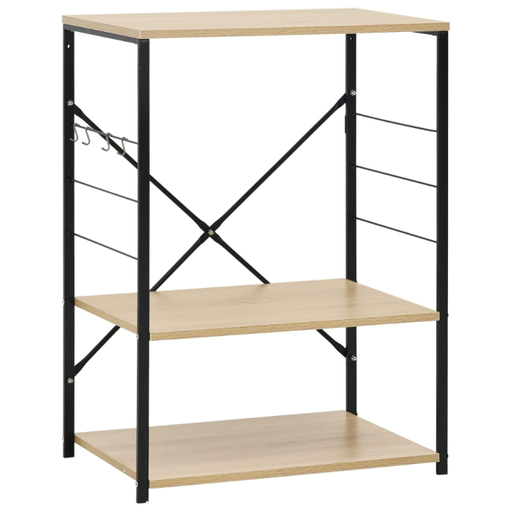
Why it suits this type of buyer: This microwave cabinet combines three shelves with hooks on the side. It makes use of vertical space in a kitchen, living room or office without taking up room with a large piece of furniture.
The dimensions, number of shelves and load capacity are clearly stated: 45 kg in total and 15 kg per shelf. Be sure to check your microwave’s ventilation requirements.
60 × 39,6 × 79,5 cm, three shelves, a metal frame and extra hooks for kitchen utensils.
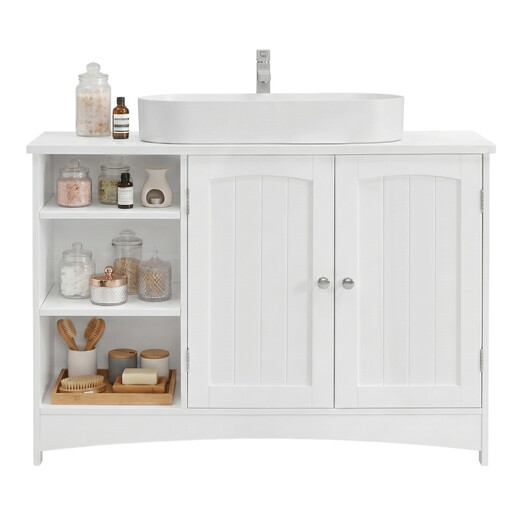
Why it suits this type of buyer: If you’re looking for a neat cabinet to fit under the bathroom sink, this combines open and closed storage. Toiletries stay within easy reach, while towels and toilet rolls can be tucked out of sight.
The product information specifies two adjustable shelves with three height settings and a 20 × 15 cm cut-out for the siphon. Measure your sink and pipes beforehand.
MDF construction, two doors, open compartments and dimensions of 30 × 88,5 × 60 cm (depth × width × height).
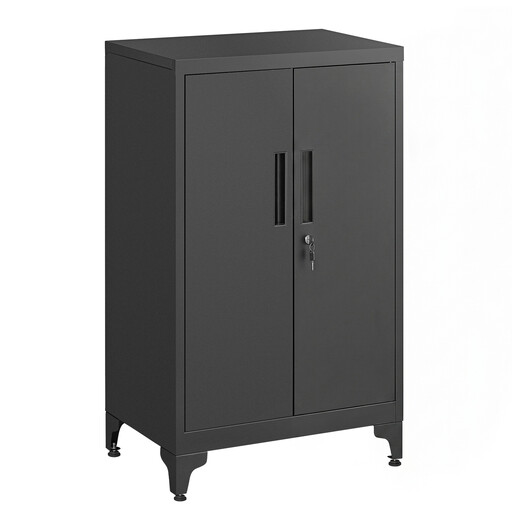
Why it suits this type of buyer: This tool cabinet is designed for a garage, hobby room, office or kitchen where you want to keep items separate and securely stored.
The cabinet has adjustable shelves, a lock and a supplied anti-tip kit. The stated load capacity is 25 kg per adjustable shelf and 30 kg on top.
Steel construction, lockable doors, adjustable feet and dimensions of 40 × 60 × 90 cm.

Why it suits this type of buyer: Wall or door mounting takes up very little floor space. This makes the jewellery cabinet a good choice for a bedroom, walk-in wardrobe or hallway with limited storage.
The inside is fitted with holders, hooks, shelves and drawers. The cabinet also has a lock; make sure you secure it properly to a suitable door or wall.
Dimensions of 37 × 9,5 × 120 cm, a mirror, LED lighting as described in the product details and two mounting options.
We’ve put together a complete, up-to-date list of products that meet these strict selection criteria and the applicable European safety regulations.
Measure the width, height and depth at several points. Then check doors, drawers, skirting boards, pipes and sockets. If the cabinet has doors, make sure there’s enough clear space in front for them to open.
Look for an easy-to-wipe surface and check whether the cabinet is designed for bathroom use. MDF can be used as long as it isn’t left wet for long periods. Don’t position a bathroom cabinet where water can collect on the panels.
Its lifespan depends on the material, load, assembly and care. Keep within the stated load capacity, spread heavy items across several shelves and secure tall furniture. This helps limit wear and tear and extends the time you can use the cabinet safely.
