
Vandaag of morgen in huis

Kwaliteit gegarandeerd

Welkomstaanbiedingen ontgrendelen: GRATIS bezorging | Tot 80% korting | Gratis 30 dagen JoyPlus-proefperiode
Download de app
A storage cabinet may seem simple to choose, until you get it home and find that the doors catch on the skirting board, the shelves do not fit or the cabinet wobbles. Photos and vague terms such as “spacious” or “sturdy” are not enough, especially when shopping online. Always check the dimensions, load capacity, materials and assembly requirements.
Different rooms also call for different features. A chest of drawers is handy for clothes and smaller items, while a cabinet with doors keeps clutter out of sight. A narrow cabinet can save space, but that does not automatically mean it has enough room for everyday use.
A cabinet measuring 90 cm wide may seem practical, but side panels, back panels and drawer runners reduce the usable space. So, measure the space where you plan to put it, and also check:
A narrow cabinet around 30 cm deep will often fit in a hallway or small bedroom. For larger items, a wider storage unit or sideboard may be more suitable.
A stated maximum load does not mean you should fill every compartment to the brim. Check whether the figure applies to the whole cabinet, an individual shelf or drawer, or just the top. Distribute heavy books, crockery or electronics evenly.
For a cabinet with doors, it is also important to fit the hinges and panels correctly. With a chest of drawers, check the maximum weight for each drawer. An anti-tip kit helps keep the cabinet stable, but must be fixed to a suitable wall according to the instructions.
A wooden cabinet can be made from different types of board. Chipboard, MDF and engineered wood are not the same as solid wood. That does not automatically make one material unsuitable, but you should consider how the cabinet will be used, its finish and the load it needs to bear.
In a living room, colour and surface finish are often key considerations. In a hallway or kitchen, it is especially useful to know whether you can easily clean the surface with a lightly damp cloth. Place the cabinet on a level surface, and avoid prolonged contact with moisture.
Before you start, make a note of how much you want to store and the size of the items. Drawers are suitable for clothes, accessories and small everyday essentials. Open compartments are handy for books, baskets and decorative items. A cabinet with shelves and doors combines display space with concealed storage.
Pay attention to the proportions of the width, depth and height:
Check three separate figures: the overall load capacity, the load capacity per drawer or shelf, and the load capacity of the top. Also check whether adjustable feet, a back panel or an anti-tip kit are included.
If a piece of furniture needs to be fixed to the wall, use fixings that are suitable for your wall. Plugs for concrete are not automatically suitable for plasterboard or a cavity wall. If you are unsure, it is best to have the fixing method checked.
Read the material description carefully. The selected models include materials such as chipboard, MDF, steel, fabric and engineered wood. The finish also affects the furniture’s appearance and how easy it is to maintain.
Also check:
Some product listings state a statutory warranty of at least two years, but always check the current product page and the exact terms.
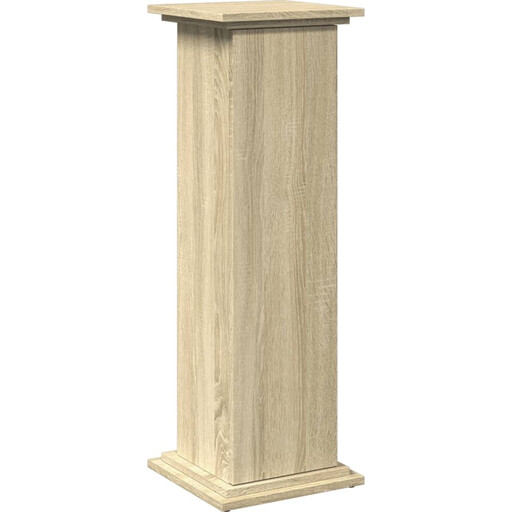
Why it suits this shopper: Its compact dimensions make it a good fit for a small hallway, a bedroom corner or anywhere that every centimetre counts.
The dimensions are clearly stated. The cabinet does need to be fixed to the wall, so you will need to choose fixings that are suitable for your wall.
31 x 30 x 90 cm, three concealed compartments, a reversible door and a stated total load capacity of 60 kg.
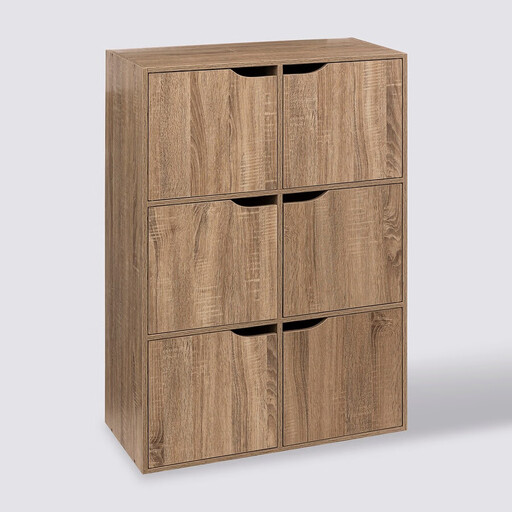
Why it suits this shopper: The oak-effect finish, six compartments and closed doors make it a good choice for anyone who wants to keep their living room or bedroom looking neat and organised.
The assembly requirements are stated in advance: two people and around 60 minutes. The maximum load of 90 kg should be distributed evenly.
67.5 x 32 x 100.5 cm, steel and plastic hardware, an FSC statement and a product information page stating a two-year statutory warranty.
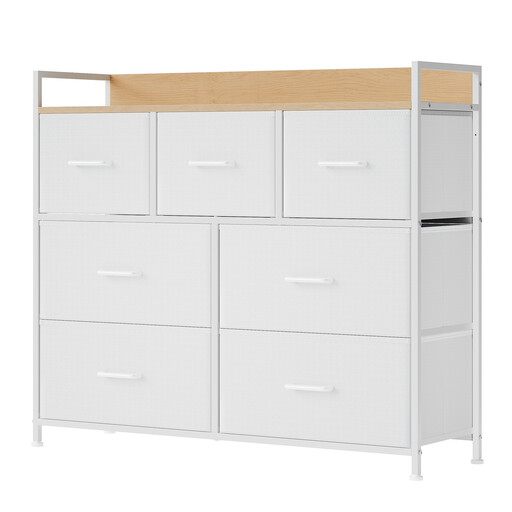
Why it suits this shopper: Seven drawers provide a practical way to organise clothes, accessories, paperwork or everyday items in the bedroom or living room.
The product information lists adjustable feet and an anti-tip kit. Allow for a maximum of 3 kg per drawer, and secure the cabinet to the wall according to the instructions.
28.5 x 98 x 85 cm, steel frame, seven drawers, adjustable feet, a 50 kg load capacity for the top and a total static load capacity of 71 kg, according to the product information.
We’ve put together a complete, up-to-date list of products that meet these strict selection criteria and the applicable European safety requirements.
Start with a level floor and check that all the panels and joints are properly secured. If the cabinet has adjustable feet, make sure they are set evenly. A tall or narrow cabinet should be fixed to the wall according to the instructions. Use wall plugs and screws that are suitable for your type of wall.
Its lifespan depends on the material, assembly, load and maintenance. Overloaded drawers, damp and frequent moving can speed up wear and tear. Keep heavy items at the bottom, distribute the weight across the compartments and, after a while, carefully tighten the fixings if needed. Check the individual product page for warranty and product terms.
The price is mainly affected by the size, material, number of doors or drawers, load capacity and complexity of assembly. So, do not compare the purchase price alone. Also check whether wall fixings, assembly parts and any extra accessories are included. This will help you compare a chest of drawers, a wooden cabinet and a cabinet with doors based on their overall practical value.
