
Vandaag of morgen in huis

Kwaliteit gegarandeerd

Welkomstaanbiedingen ontgrendelen: GRATIS bezorging | Tot 80% korting | Gratis 30 dagen JoyPlus-proefperiode
Download de app
A storage cabinet may seem like a straightforward purchase, until you discover that it will not fit through the doorway, shelves start to sag or the contents quickly become dusty. Terms such as “extra large”, “weatherproof” and “multifunctional” do not always tell you what you really need in practice.
So watch out for these three common pitfalls:
First decide what you want to store and where the furniture will go. Closed compartments are practical for clothes, towels and toys. Open shelves or a storage basket are more convenient for items you use frequently.
Measure the available width, depth and height. Also check skirting boards, doors, sockets and sloping ceilings. A narrow cabinet measuring 31 cm wide may be suitable for a hallway or bathroom, while a 110 cm model may work better as a storage bench at the foot of a bed.
Take the doorway into account, as well as the space you need to open cabinet doors or a lid. A storage cabinet for small spaces only works well if you can reach the contents without having to move or rearrange anything.
A storage unit with several levels helps you organise your belongings. Pay attention to:
A spacious storage box or storage bench is suitable for blankets and toys. A storage pouf can also be used as a seat or footstool. Storage baskets provide a clearer overview for small accessories than one large cabinet where everything gets mixed together.
Processed wood or MDF often works well in a bedroom, hallway or living room. It looks like a permanent piece of furniture, but usually requires assembly. Check whether it needs to be attached to the wall. For example, the vidaXL cabinet with three concealed compartments states that it must be secured to the wall to help prevent tipping. Screws and wall plugs are not included, according to the product information.
Plastic is easy to wipe clean and can be practical in a bathroom, kitchen or student room. However, check whether the model is intended for indoor use only. According to the product description, COIZYZZL cabinets are intended for indoor use and must not be loaded beyond the stated shelf capacity.
For a garden or balcony, a garden storage box with weather-resistant properties is the more logical choice. The manufacturer describes the Lifetime models as weatherproof and UV-resistant. This is a product claim made by the brand, so always check the latest specifications and place the box on a flat, stable surface.
A folding storage cabinet, storage box or storage bench is useful if you want to keep your living arrangements flexible. Folded models take up less space when not in use. However, you must fit the panels correctly and never load the furniture beyond the stated limit.
Stability is important with a tall, narrow cabinet. With models designed for sitting on, the lid must be fully closed before anyone sits down. A high maximum load also does not mean that every part is suitable for prolonged standing, jumping or unevenly distributed weight.
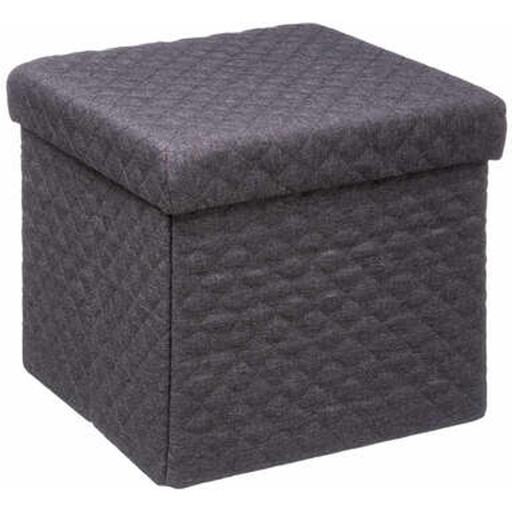
Why it suits this profile: This compact storage pouf combines storage space with a seat and footstool. Measuring 31 x 31 x 31 cm, it fits beside a sofa, next to a bed or in a smaller room.
The dimensions and maximum load of 110 kg are clearly stated. The model is foldable, but according to the product information it is intended for indoor use and requires self-assembly.
Compact form with a capacity of around 31 litres; removable lid; suitable for toys or blankets; FSC certification according to the product information.
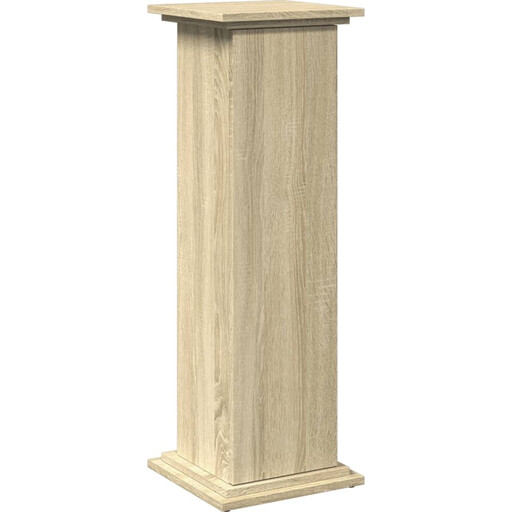
Why it suits this profile: The slim, vertical design provides three levels for a hallway, bedroom or bathroom setting. The top can be used for decoration or small everyday items.
The total load capacity of 60 kg is clearly stated. Wall mounting is required to help prevent tipping; you will need to choose suitable screws and wall plugs yourself.
Three concealed compartments; smooth surface that can be cleaned with a damp cloth; door can be fitted on the left or right.

Why it suits this profile: This large garden storage box is designed for garden cushions, tools, games and other outdoor items. Its 567-litre capacity provides plenty of space without having to combine several smaller boxes.
The model is not presented as an indoor cabinet: the product information mentions HDPE, UV resistance and weather resistance. A lock is not included, and the box must be placed on a stable surface.
567-litre capacity; lockable lid; integrated handles; according to the description, the lid opens to more than 90 degrees.
We have put together a complete, up-to-date list of products that fully meet these strict selection criteria and the applicable European safety regulations.
A storage cabinet stays tidier when you place heavy items at the bottom and respect the stated load capacity. For a wall-mounted cabinet, choose fixings suitable for concrete, brick, plasterboard or another type of surface.
In the bathroom, only use materials that are suitable for the conditions and avoid prolonged contact with water. A damp cloth is often sufficient for smooth surfaces. Textile storage poufs and baskets usually have different care instructions; washing or bleaching, for example, may not always be recommended.
Measure the cabinet itself and the clear space around it. Allow extra room for doors, drawers or a lid. Also check the access route, so the storage cabinet can be carried to the intended room when delivered.
That depends on the product information. Plastic is generally easy to wipe clean, but not every model is designed for damp areas. Check the stated use, ventilation and distance from the shower or washbasin. Never place a cabinet in prolonged direct contact with water unless this is specifically stated.
A storage cabinet usually offers fixed levels and is suitable for organised belongings. A storage box often has one spacious compartment for blankets, toys or garden accessories. A storage bench and storage pouf combine storage with seating. Choose based on accessibility, available floor space and how you use the room every day.
