
Vandaag of morgen in huis

Kwaliteit gegarandeerd

Welkomstaanbiedingen ontgrendelen: GRATIS bezorging | Tot 80% korting | Gratis 30 dagen JoyPlus-proefperiode
Download de app
An organised home starts with a good storage cabinet. But the search for the perfect storage unit can feel like a maze of slick sales pitches and hidden flaws. Many cabinets look stunning in the showroom but turn out to be wobbly, impractical, or made from inferior materials after just a few months. As a Product Recommendation Officer at Joybuy, I see where things go wrong every day. Let's cut through the marketing hype and focus on what really matters.
Before you pull out your wallet, here are the three most common pitfalls that could cost you money:
To avoid buyer's remorse, it's important to look beyond aesthetics. Focus on a few objective specifications that determine whether a storage cabinet is worth the money.
The material determines the durability, maintenance, and look of your storage unit.
This may seem obvious, but this is where things often go wrong. Don't just measure the space where the cabinet will go (length, width, height); also consider the internal dimensions. How deep are the drawers? What is the distance between the shelves?
Always check the maximum load capacity per shelf and for the cabinet as a whole. A storage rack for books needs a much higher load capacity than a chest of drawers for socks. This specification is almost always listed and is a good indicator of build quality.
Not every storage unit is suited for every task. Think about what you want to store and choose the right type:
To get you started, we've selected a few products that suit different needs and budgets, based on their specifications.
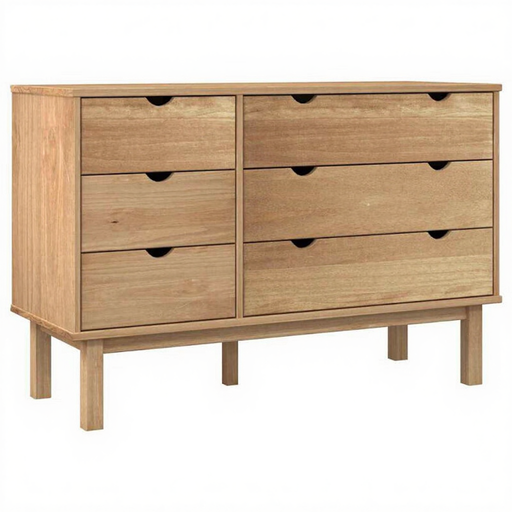
Why This Fits Their Persona: This sideboard is more than just storage; it's a statement piece that adds character to a living room or bedroom with its Scandinavian style and natural wood grain.
Addresses the "misleading materials" pitfall. The product page clearly specifies it is made from solid pine wood, a durable and natural material.
Robust and stable solid wood frame. Offers ample practical storage with 6 spacious drawers.

Why This Fits Their Persona: For those with many small, valuable items like jewellery, a standard chest of drawers is inefficient. This specialised organiser is designed to keep everything neatly and securely stored.
This is the solution to the "impractical layout" problem. The cabinet has a specific interior with 84 earring hooks, 84 ring slots, and 32 necklace hooks. Every item has its own dedicated spot.
2-in-1 design with a full-length mirror. Lockable with a key for extra security and protection from dust.
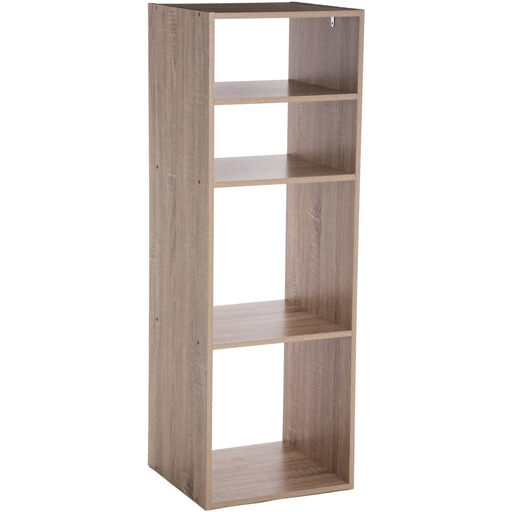
Why This Fits Their Persona: For a student dorm or first apartment, an affordable, no-frills solution is often the priority. This open storage rack provides functional space for books, binders, or storage boxes without a premium price tag.
The simplicity of this open rack prevents hidden flaws. It tackles the "unstable construction" pitfall by clearly specifying a maximum load capacity of 40 kg, providing assurance of its sturdiness.
Easy to assemble yourself (estimated assembly time: 30 minutes). A functional and affordable foundation for any room.
We have curated a complete, up-to-date list of products that fully meet these strict selection criteria and safety regulations.
Most manufacturers include an anti-tip kit. This is a set of brackets or straps that allow you to anchor the cabinet to the wall. It is strongly recommended to always use them, especially if you have children in the house. Always place the heaviest items on the bottom shelves or in the lowest drawers to lower the centre of gravity.
MDF is an engineered wood fibreboard, which gives it a smooth and uniform surface. It is affordable and stable. Solid wood is pure, natural wood, which gives each cabinet a unique grain and character. It is generally stronger and more durable, but also more expensive and susceptible to changes in temperature and humidity. The choice depends on your budget and desired style.
This varies greatly by product. A light shelf in a budget rack might only hold 5 kg, while a shelf in a heavy-duty metal storage rack could handle 50 kg or more. Always check the product specifications for the maximum load capacity per shelf. If you plan to store heavy items like books or archive boxes, this is one of the most important specifications to look for.
