
Vandaag of morgen in huis

Kwaliteit gegarandeerd

Welkomstaanbiedingen ontgrendelen: GRATIS bezorging | Tot 80% korting | Gratis 30 dagen JoyPlus-proefperiode
Download de app
An organised home starts with a good storage system. But the search for the perfect storage boxes often ends in frustration: lids that don't fit, wobbly stacks, and containers that crack after one trip to the freezer. The selection is overwhelming, and not every storage box delivers on its promise.
Before you invest in a set that becomes unusable after a few months, it's wise to know what to look for. Common pitfalls are easy to sidestep if you know which details matter.
The 3 most common pitfalls when buying storage boxes:
plastic storage boxes are sold as stackable but lack a stable design. The lids are too smooth or the base has no grooves, causing the tower to wobble or shift at the slightest touch. This is not only inconvenient but also unsafe.storage box with a lid is useless if the lid warps, the locking clips break off, or the lid no longer seals properly after a few uses. Your belongings get dusty or damp, and the box loses its function.fridge organiser made of non-food-safe plastic is a health risk. And a container that can't handle the freezer or microwave leads to waste and mess.To avoid a bad buy, focus on a few key specifications. These determine the durability and usability of your storage boxes and food containers.
The fine print on the bottom of a box tells you everything. The material type is crucial for its intended use.
kitchen organisers and food containers are made of PP because it's often microwave-safe (without the lid) and dishwasher-safe. It's also a popular choice for general-purpose, stackable storage boxes.fridge organiser or pantry, as you can see the contents at a glance. However, PET is usually not suitable for the microwave or dishwasher.You can recognise a truly stackable box by its design. Look at the lid and the base. Good stackable storage boxes have raised edges or grooves on the lid that the base of the next box fits into perfectly. This creates a stable lock. A flat, smooth lid is a red flag if you plan on stacking high. Also, check the maximum load capacity specified by the manufacturer, especially if you want to store heavy items.
Measure the space where the boxes will go: the shelf in the cupboard, the space under your bed, or the spot in the attic. Nothing is more frustrating than storage boxes that are just a centimetre too tall or too wide. Also, think about what you want to store. For winter clothing, you'll need volume (e.g., 40-50 litres), whereas for hobby or office supplies, a smaller size (10-20 litres) is often more practical.
Based on these criteria, we have selected a number of products that suit different needs and households.
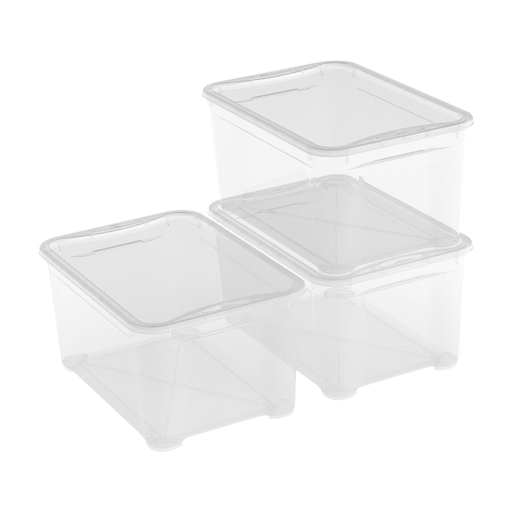
Why This Fits Their Persona: Ideal for storing larger volumes like seasonal clothing, duvets, toys, or sports equipment. Thanks to the transparent design, you can see what's inside at a glance without having to haul all the boxes down from the attic.
The modular design is specifically engineered for stable stacking. The lids have a snap-lock closure and a shape that prevents the boxes from shifting, thus avoiding the "wobbly stack" pitfall.
Made from durable polypropylene (PP). The boxes are nestable without their lids, which saves space when not in use. The maximum load per box is 15 kg.
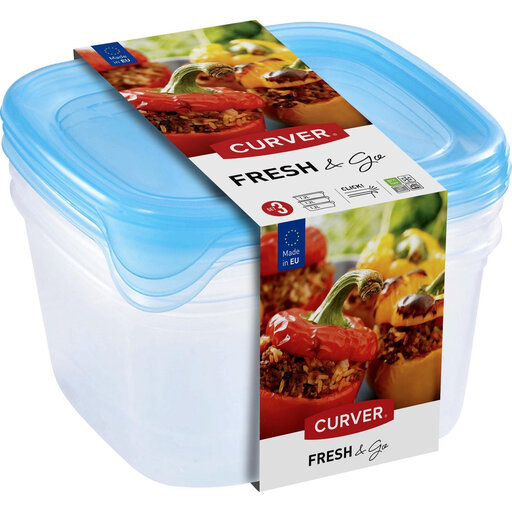
Why This Fits Their Persona: Perfect for preparing meals for the week, storing leftovers, or taking lunch on the go. The 1.2L size is spacious enough for a full meal.
These containers are made from BPA-free plastic and are resistant to temperatures from -40°C to +100°C. This avoids the pitfall of using the wrong material: they can safely go in the freezer, microwave, and dishwasher.
The airtight snap-on lids help keep food fresh longer and prevent leaks. The handy tabs on the corners make opening them easy. Complies with European food safety standards.
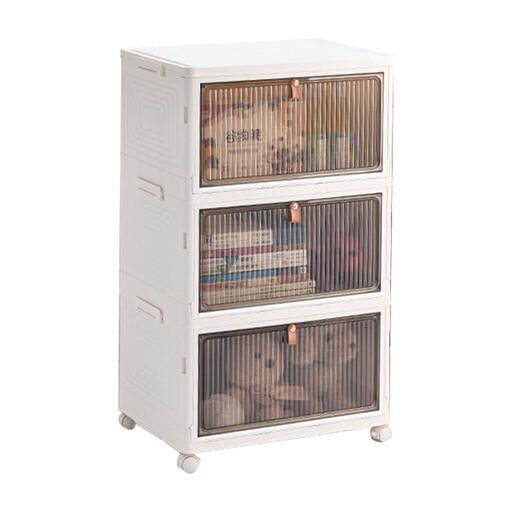
Why This Fits Their Persona: For those seeking a flexible and instantly accessible storage solution in the bedroom, office, or utility room. Suitable for books, snacks, shoes, or office supplies.
This system solves the biggest frustration of stacking: you don't have to unstack everything to get something from the bottom box. The front-facing doors provide direct access to the contents.
It's a foldable and stackable cabinet system. You can assemble it quickly and store it compactly when not needed. The front-access design makes it extremely practical for daily use.
We have compiled a complete, up-to-date list of products that meet these strict selection criteria.
Always ensure that the items you store, especially textiles, are completely dry. Clean and dry the boxes thoroughly before use as well. For long-term storage, a moisture absorber or a scented sachet can help keep the contents fresh. Opening the boxes occasionally to air them out is also a good idea.
These are recycling codes that indicate the type of plastic and tell you a lot about its properties. PP (Polypropylene) is a strong and versatile plastic, often suitable for heat (like in the microwave) and general storage. PET (Polyethylene Terephthalate) is usually clear and often used for a fridge organiser or pantry jars, but it is less heat-resistant. The right choice depends on what you intend to use the box for.
This varies greatly by model and brand. The manufacturer often specifies a maximum load in kilograms (e.g., 10 kg or 15 kg per box). Check this specification on the product page, especially if you plan to stack heavy items like books, dishes, or tools. A good rule of thumb is to always place the heaviest boxes at the bottom of the stack.
