
Vandaag of morgen in huis

Kwaliteit gegarandeerd

Welkomstaanbiedingen ontgrendelen: GRATIS bezorging | Tot 80% korting | Gratis 30 dagen JoyPlus-proefperiode
Download de app
An organized home often starts with a simple step: giving your belongings a designated place. A good storage box with a lid seems like the perfect solution—until the lids crack, the boxes sag, or you realize after a few months that they aren't as practical as you thought. Many storage boxes look great in the store but hide design flaws that only become apparent with daily use.
As a Joybuy Product Recommendation Officer, I see a lot of products come and go. I'm here to help you cut through the marketing jargon and focus on what really matters. Let's look at the most common pitfalls and how to avoid them.
Pitfall 1: The 'Stackable' Myth Many manufacturers claim their boxes are stackable. In reality, this can mean they wobble, slide, or, even worse, the bottom box buckles under the weight. Truly functional stackable storage boxes have a lid with raised edges or grooves that fit perfectly into the base of the box on top. Without this design, stacking is a risky business.
Pitfall 2: Fragile Lids and Latches A storage box with a lid is only as strong as its weakest link: the latch. Cheap plastic clips break off quickly, preventing the lid from closing properly and exposing your belongings to dust and moisture. The lid itself can also be made of thin, brittle plastic that cracks at the slightest bend.
To avoid wasting money on storage boxes that you'll have to replace in no time, there are a few objective specifications you can check.
Most plastic storage boxes are made of polypropylene (PP). This material is naturally lightweight, reasonably flexible, and has good impact resistance. However, pay attention to the thickness and finish. Look for boxes with:
A good lid is crucial. Check the following points:
Not every storage box is suitable for every situation. Below are a few options highlighted for specific needs.
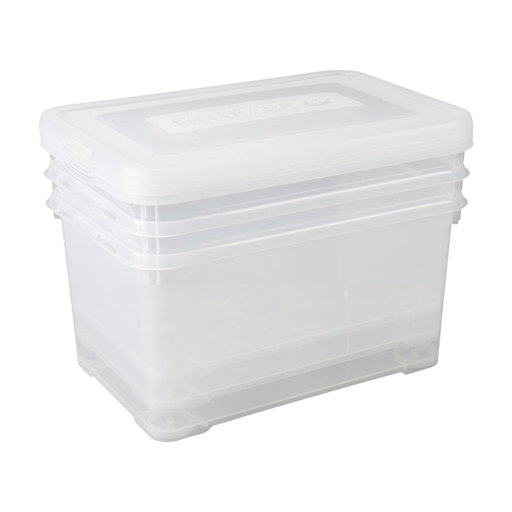
Why This Fits Their Persona: Ideal for those looking to store large volumes, such as seasonal clothing, toys, or attic items. This set provides ample storage space right away with a reliable design.
The design is specifically engineered for stacking; the lids are shaped to provide stability. The integrated locking system is more robust than simple clips.
Large 50-liter capacity per box. The transparent construction allows for an immediate overview. A Curver storage box is known for its solid quality.
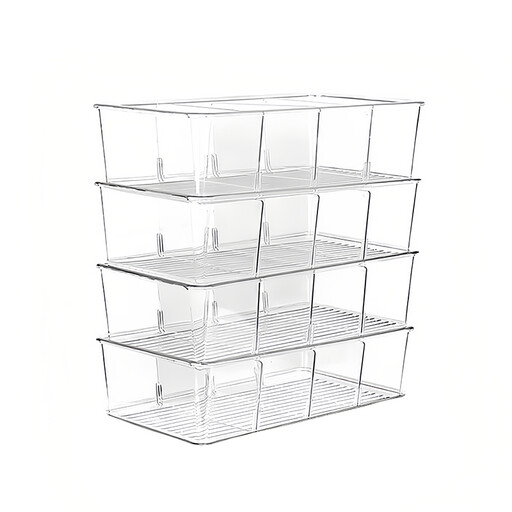
Why This Fits Their Persona: Perfect for organizing smaller items in the kitchen, bathroom, or on a desk. Think tea bags, makeup, or office supplies. These are effective drawer organizers.
These bins aren't meant for heavy-duty stacking but solve the problem of cluttered drawers. The clear PET material is sturdy and doesn't feel cheap.
A modular design that you can arrange as desired in a drawer or cabinet. The crystal-clear PET plastic provides a premium look and an instant overview of the contents.
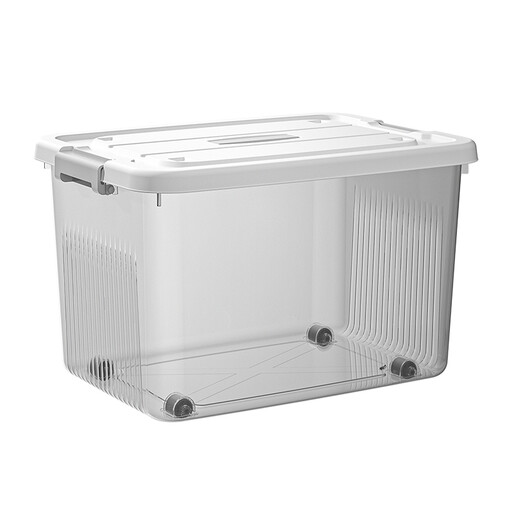
Why This Fits Their Persona: A versatile and affordable storage box set for anyone starting their organization journey. Suitable for clothes, documents, or hobby supplies.
The product description emphasizes a thickened 2.5 mm body and reinforcing ribs. This directly addresses the pitfall of a flimsy construction. The click-on lid is designed for a secure closure.
The focus on a reinforced structure provides extra sturdiness. The flat top of the lid is designed for stable stacking, allowing you to make the most of your vertical space.
We have compiled a complete, up-to-date list of products that meet these strict selection criteria and local regulations.
How high can I safely stack plastic storage boxes? This depends on the construction of the box and the weight of its contents. Always check the manufacturer's recommendations. A general guideline is to place the heaviest boxes at the bottom and not to stack higher than what feels comfortable and stable. Most product information will state a maximum load capacity per box, for example, 10 kg or 15 kg. Do not exceed this, especially for the bottom box in a stack.
What is the difference between PP and PET plastic for storage boxes?PP (polypropylene) is the most common material for larger storage boxes. It is lightweight, relatively flexible, and resistant to breaking. It is often milky or semi-transparent. PET (polyethylene terephthalate), known from soda bottles, is more rigid and crystal-clear. It is often used for smaller, premium drawer organizers where a crystal-clear view of the contents is desired.
How do I choose the right size in liters? It can be tricky to estimate volume in liters. Use this as a rule of thumb:
